Why Avoiding High-Fiber Cereals Before a Run Prevents Cramps
Avoiding high-fiber cereals like bran flakes or steel-cut oats 24–48 hours before a run helps prevent cramps by reducing gas, bloating, and delayed digestion. Fiber absorbs water and forms a gel that slows nutrient absorption, while gut fermentation produces gas, worsened by running’s jostling motion. With up to 80% less blood flow to your gut during exercise, digestion struggles-leading to side stitches and discomfort. Cutting fiber lets your body focus on performance, not gut issues, and you’ll feel how much smoother your next run can be.
We are supported by our audience. When you purchase through links on our site, we may earn an affiliate commission, at no extra cost for you. Learn more. Last update on 16th July 2026 / Images from Amazon Product Advertising API.
Notable Insights
- High-fiber cereals slow digestion, delaying nutrient and glucose delivery during runs.
- Fiber increases gas production through fermentation, raising cramp risk during exercise.
- Running reduces gut blood flow, worsening digestion of fiber and promoting discomfort.
- Fiber traps water in the intestines, reducing hydration and increasing cramp likelihood.
- Cutting high-fiber cereals 1–2 days pre-run lowers bloating, gas, and side stitches.
Why Fiber Causes Cramps During a Run
When you’re lacing up for a morning run, grabbing a bowl of high-fiber cereal might seem like a smart move, but that extra fiber can quickly turn your stride into a struggle. High fiber foods-especially whole grains-bulk up stool and rev up bowel activity, which can affect the digestive system when jostled by running. Fiber slows digestion, traps water in your gut, and ferments in the colon, producing gas that leads to bloating and cramps. Since running diverts up to 80% of blood flow away from your gut, your body struggles to process that 5–10 grams of fiber many cereals pack. This impairs nutrient delivery, including steady blood glucose, and raises cramp risk, especially if you’re not adapted to high-fiber intake. For smooth miles, pick lower-fiber breakfasts pre-run.
How Fiber Slows Digestion Before Running
Though you might think fueling up on fiber keeps you full and energized, it’s actually doing the opposite when you’re about to hit the pavement. Fiber slows digestion by delaying gastric emptying, meaning food stays in your stomach longer-exactly what you don’t want before running. High-fiber cereals, packed with insoluble and soluble fiber, absorb water and form a gel, further slowing digestion and increasing bloating. That bulk can lead to gas, cramping, and discomfort mid-run. Soluble fiber, in particular, traps nutrients and delays absorption, so your energy release isn’t as quick. When you’re lacing up for a 5K or a tempo run, you need fuel that clears your stomach fast-like a banana or white toast. Skip high-fiber cereals within three hours pre-run to avoid GI issues and keep your pace smooth, steady, and cramp-free.
When to Stop Eating Fiber Before Race Day
| Time Before Race | Fiber Intake Recommendation |
|---|---|
| 72 hours | Switch to low-fiber options (e.g., white rice, cornflakes) |
| 48 hours | Stop high-fiber foods; aim for 15–20g fiber daily |
Tapering fiber gives your gut peace of mind, so you can focus on pace, form, and finishing strong.
Can Gas From Fiber Disrupt Your Run?
Why do you feel so bloated and gassy halfway through your long run? It’s likely because the fiber in your breakfast cereal got fermented by gut bacteria, producing gas that builds up during running. Soluble fiber from oats or bran absorbs water and expands, increasing bulk and gas pressure in your colon. That jostling motion with every stride can trap this gas, turning bloating into sharp cramps. Testers reported cramps and side stitches within 30 minutes of running after eating high-fiber cereals. The extra intestinal volume from fiber slows digestion, making gas more likely to cause discomfort. You don’t need fiber sabotage mid-run-stick to low-fiber options beforehand. Cutting back high-fiber cereals 1–2 days pre-race reduces gas volume by up to 40%, according to gut health studies. Avoiding fiber isn’t forever-just smart timing to keep gas and cramps off your run.
Low-Fiber Breakfasts That Prevent Cramps
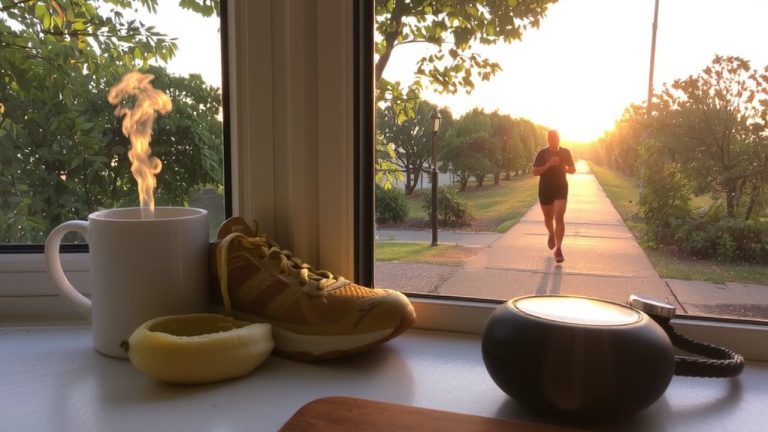
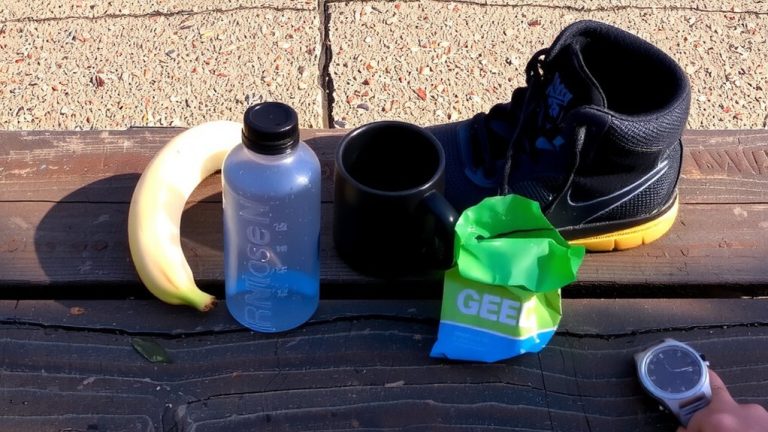
Cramping late in your run doesn’t have to be inevitable-what you eat for breakfast can make all the difference. Low-fiber breakfasts like white toast with peanut butter (2–3 g fiber per slice) reduce digestive strain and help prevent cramps. Pair a banana (3 g fiber) with a low-fiber bagel (1–2 g fiber) for quick energy without excess bulk that could trigger discomfort. Swapping high-fiber cereals (8–12 g fiber per serving) for corn flakes (0.5–1 g fiber per cup) cuts bloating risk. Whole grain options slow digestion, but skipping them pre-run supports faster gastric emptying, reducing jostling-induced cramps. Try mango coco pancakes made with refined flour (1–2 g fiber each) to load carbs safely-far less fiber than bran cereals (5–7 g). Smart food choices like these optimize performance, letting you focus on pace, not gut issues.
Why Fiber and Fluids Clash Before Running
When you’re fueling up before a morning run, pairing high-fiber cereals with your usual glass of water might seem like a smart move, but that combo could quietly set you up for trouble. Fiber pulls water into your gut, reducing the amount available for circulation and muscle function. That means even if you’re drinking enough, your hydration status can still take a hit right when you need it most. With less free water and disrupted sodium-potassium balance, cramps become way more likely. Sweat loss only makes it worse. Here’s what really happens inside:
| What You Feel | What’s Actually Happening |
|---|---|
| Thirsty despite drinking | Fiber traps water in intestines |
| Bloated stomach | Gut swelling from water retention |
| Early fatigue | Poor circulation from low plasma volume |
| Side stitch | Electrolyte shift due to fluid imbalance |
| Muscle cramps | Nerves misfiring from dehydration |
Skip the fiber rush-optimize water delivery and stay cramp-free.
On a final note
You’ll run easier when you skip high-fiber cereals 1–2 hours before a run, since fiber slows digestion and can cause cramps or gas. Opt for low-fiber options like white toast with peanut butter or a banana instead. Pair that with 8–12 oz of water to stay hydrated without bloating. Testers report smoother starts and fewer stomach issues when they avoid bran and whole grains pre-run. Simple changes, real results-try it on your next 5K tune-up.