How to Eat Before a Night Race Without Indigestion
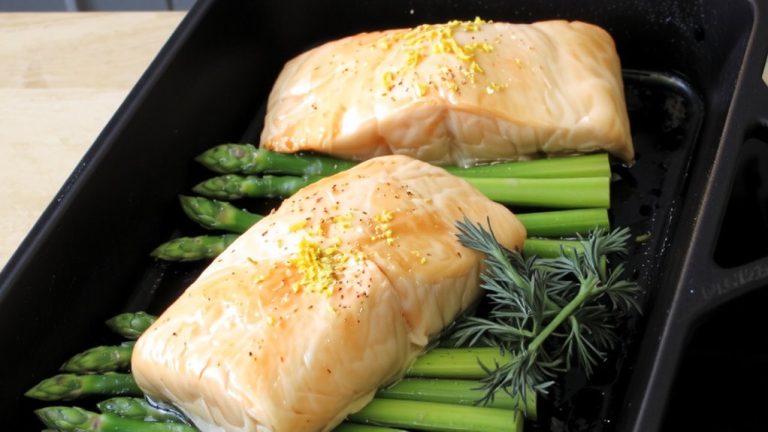
Eat your pre-race dinner 2–4 hours before bed with refined carbs like white rice, pasta, or potatoes, plus lean protein such as grilled chicken or white fish, to fuel your night race without indigestion. Avoid high-fiber, fried, or spicy foods, skip alcohol, and stick to meals you’ve tested in training. Hydrate with 16 oz of sports drink containing 400–700 mg sodium per liter about two hours before sleep. Your gut will thank you, and you’ll be set for strong, comfortable miles-keep going to fine-tune your race-day plan.
We are supported by our audience. When you purchase through links on our site, we may earn an affiliate commission, at no extra cost for you. Learn more. Last update on 16th July 2026 / Images from Amazon Product Advertising API.
Notable Insights
- Eat a carb-rich, low-fiber dinner 2–4 hours before bedtime to ensure digestion and prevent discomfort.
- Choose refined carbs like white rice or pasta and pair with lean protein such as chicken or fish.
- Avoid high-fiber, fried, or spicy foods to reduce bloating, gas, and stomach irritation.
- Hydrate with an electrolyte drink 2 hours before bed instead of plain water to limit nighttime bathroom trips.
- Only eat foods previously tested in training to minimize digestive risks on race night.
Pre-Race Dinner by Race Distance: 5K to Marathon
Whether you’re lining up for a quick 5K or grinding out a full marathon under the stars, nailing your pre-race dinner timing and composition can make the difference between feeling strong and fighting cramps. On race day, your meal matters-timing it right keeps your stomach settled and energy steady. For 5K and 10K Night races, eat 2–3 hours before bed: choose easy-to-digest carbohydrates like rice or potatoes with lean protein, no full carb loading needed. Half marathoners should start carb loading 1–2 days out, then eat dinner four hours before sleep with simple carbs and moderate protein. Marathoners need that four-hour window too, focusing on refined carbs-think pasta or white rice-with lean protein and a high-sodium drink. Always test foods during training to avoid surprises.
Skip These 5 Race-Destroying Foods
Since your gut can make or break your race, steer clear of these five troublemaker foods the night before a big event. These common pre-race meal mistakes can trigger stomach issues and slow digestion, sabotaging your performance.
| Avoid These | Why They’re Risky |
|---|---|
| High-fiber foods | Cause bloating and gas, disrupting sleep and race comfort |
| Fried foods | Delay digestion, leaving you sluggish by race time |
| Spicy foods | Irritate the stomach, increasing chances of heartburn |
| Large portions | Overload your gut, leading to cramps and poor sleep |
| Alcohol | Causes dehydration and headaches, hurting recovery and race focus |
Stick to light, familiar foods the night before a race. Your stomach will thank you when it counts.
Dinner 2–4 Hours Before Bed: Match Your Race
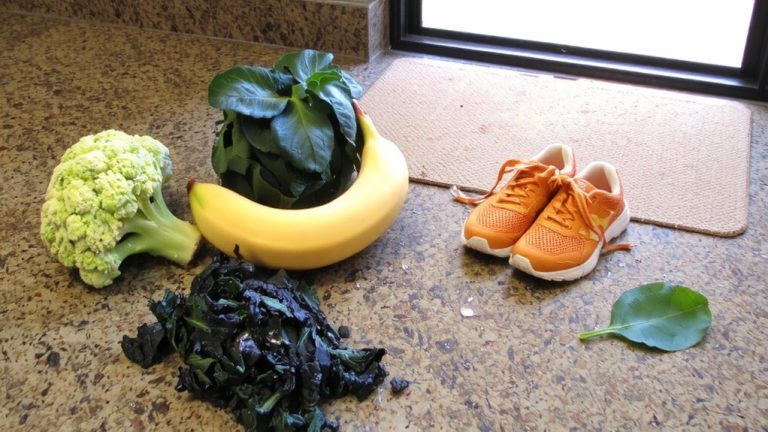
When you’re fueling up for a night race, timing and food choices make all the difference, so aim to eat a solid, carb-loaded dinner 2 to 4 hours before bed-this gives your body enough time to digest without stressing your system. For the Night Before a Race, prioritize carb-rich foods like white rice, pasta, or potatoes to top off glycogen stores. Aim for 8–12 grams of carbs per kilogram of body weight, especially for half marathons or longer. Pair with easily digestible lean protein-think grilled chicken, tofu, or white fish-to support recovery. Stick to familiar foods you’ve tested in training, like spaghetti bolognese or a Chick-fil-A sandwich. Avoid high-fiber options like raw broccoli or lentil pasta, which can cause bloating. The timing of your meals matters: eating two to three hours before bed works well for most, giving digestion time while keeping energy steady.
Night-Before Hydration: Electrolytes Over Water
Though water’s your go-to for daily hydration, swapping it for an electrolyte-rich drink the night before a race gives you a smarter edge. Aim to drink 16 ounces of a sports drink with 400–700 mg of sodium per liter about two hours before you go to bed. This timing gives you enough time to digest and lets your body absorb fluids without causing stomach distress. Unlike plain water, the sodium helps with hyper-hydration, boosting fluid retention and cellular uptake. Keep in mind that chugging too much water late at night can lead to frequent bathroom trips, disrupting sleep. Replace plain water with an electrolyte solution throughout the day and especially in the evening. Choose a balanced formula so you wake up hydrated and ready by early morning. Eat the Night calm, knowing you’ve set your fluids right.
Eat Only Foods You’ve Trained With
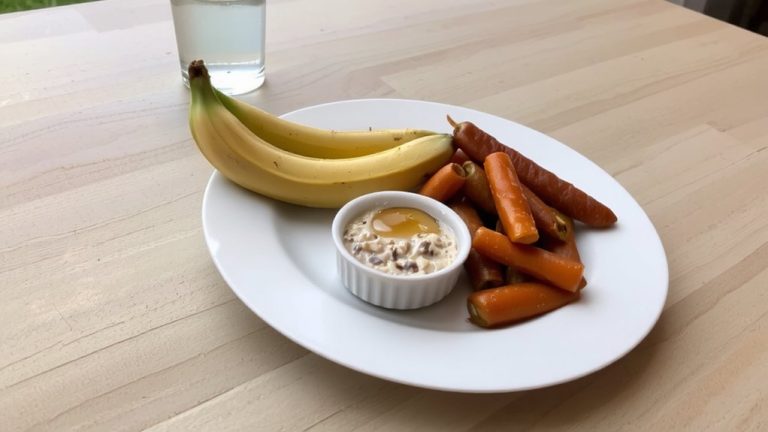
Your gut doesn’t like surprises, so stick to the foods you’ve already trained with-nothing new before race night. Stick with foods that worked during your long runs, like white rice, pasta, or potatoes, which are reliable carbohydrate foods. If your meal of choice was grilled chicken with mashed potatoes and steamed carrots, replicate that exact meal before the race. It’s a general rule in sports nutrition: make sure your mix of carbs and protein stays consistent. During training runs, you tested what your stomach can handle-now trust that data. Avoid trying new energy bars or gels, even if they’re labeled “race-friendly.” Digestive issues spike with untested snacks. Make sure every bite aligns with your proven plan. Consistency beats curiosity. Your body knows the script-just follow it.
On a final note
Eat your pre-race meal 2–4 hours before the start, sticking to tried-and-tested foods like white rice, boiled potatoes, or a plain bagel with honey. Skip fatty, fibrous, or spicy stuff-no burgers, beans, or broccoli. Hydrate with electrolyte drinks, not just water. Keep it simple, timed right, and race-ready. Your gut will thank you at mile one.