How to Choose Pre-Run Foods Based on Individual Tolerance
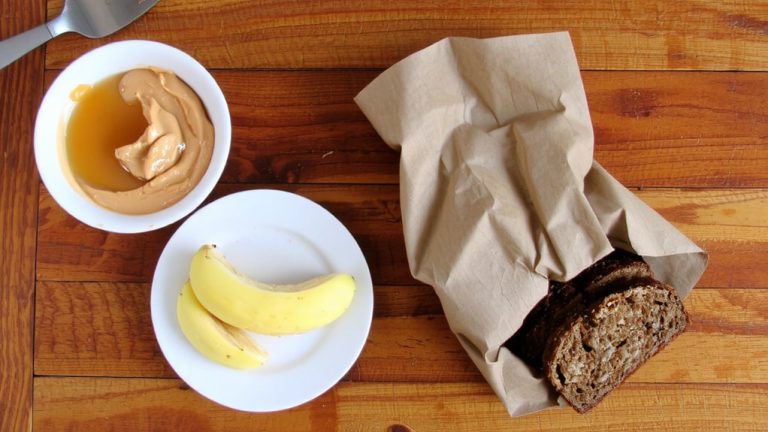
Start with simple carbs like white toast, a ripe banana, or graham crackers 60–90 minutes before your run, aiming for 15–30g to avoid GI distress. Time meals based on your schedule: 2–3 hours for bigger meals (60–90g carbs), 15–30 minutes out for fast liquids like sports drinks (30–60g). Skip fiber, fat, and known irritants like beans or sugar alcohols. Test one variable at a time on easy runs, track results, and stick with what works for three trouble-free runs-consistency cuts GI issues by over 60%. Real runners swear by toast with honey or half a banana, and once you find your match, your gut will handle even race-day nerves better.
We are supported by our audience. When you purchase through links on our site, we may earn an affiliate commission, at no extra cost for you. Learn more. Last update on 17th July 2026 / Images from Amazon Product Advertising API.
Notable Insights
- Start with simple carbs like banana or toast 60–90 minutes pre-run to assess tolerance and minimize GI distress.
- Time meals based on your schedule: eat larger meals 2–3 hours before, small snacks 30–90 minutes before running.
- Avoid common gut irritants such as high-fiber foods, sugar alcohols, and dairy if they trigger discomfort before runs.
- Test pre-run foods during training runs, tracking responses to refine choices before race day.
- Adjust carb type, portion, and timing based on personal tolerance to build a consistent, reliable fueling strategy.
Start With Simple Carbs to Test Tolerance
Start your pre-run fueling strategy with simple carbs like white toast, a ripe banana, or graham crackers-they’re low in fiber and fat, so they’re less likely to upset your stomach. These pre-run fuel options deliver quick energy without triggering gastrointestinal distress. Aim for 0.5–1 gram of carbs per pound of body weight-about 15–30g-for best results. If solid foods bother you, try liquid carbohydrates like sports drinks or applesauce packets; they digest faster and reduce gut strain. Test these options on easy runs, not race day. Track your tolerance: research shows consistent use cuts GI issues by 60–63% in two weeks. Avoid high-fiber foods, dairy, and fatty meals during trials-31% of runners report dairy causes discomfort. Real runners find bananas and white toast easiest, while graham crackers work well for those who prefer a dry snack. Stick with what feels right.
Time Meals Based on Your Run Schedule
When your run’s on the schedule, timing your meals right keeps your energy steady and your stomach happy. You should time meals based on how long until your run starts. For a long run or race, eat a substantial pre-run meal 2–3 hours prior to allow full digestion and top off glycogen stores-aim for 60–90g of carbs. If your run starts in 60–90 minutes, have a low-fiber, high-carbohydrate snack like banana or toast with jam (15–30g carbs) to prevent gastrointestinal distress. Need to run in 15–30 minutes? Grab fast-digesting carbs like dates or a sports drink (30–60g) to fuel up without stomach issues. For easy runs under an hour, fueling isn’t urgent since you’re tapping into existing glycogen stores. Adjust meal timing in 15-minute increments based on individual tolerance, so you feel energized, not bloated or sluggish.
Avoid Foods That Upset Your Stomach
You’ve timed your meal, dialed in your carb intake, and now it’s just as important to make sure what you’re eating won’t send you searching for a bathroom mid-run. To avoid foods that upset your stomach, skip high-fiber foods like beans, lentils, and cruciferous veggies 3 hours before running-they often cause bloating and cramping. If you’re sensitive, limit apples or pears due to fructose malabsorption, which affects up to 30% of people and can spark GI distress. Avoid sugar alcohols-xylitol, sorbitol, erythritol-in diet bars or gum; they draw water into the gut and increase bowel urgency. Thirty-two percent of runners cut meat, 31% skip dairy, and 23% avoid high-fiber foods pre-run due to digestive issues. Success hinges on personal tolerance testing, not trends. Choose pre-run foods that support performance, not gastrointestinal discomfort.
Test and Adjust During Training Runs
While every runner’s gut responds differently to pre-run fuel, testing strategies during training gives you a clear edge on race day-so don’t guess what works, verify it. Use training runs to test and adjust pre-run meals and snacks, starting with small portions of simple carbohydrates like a half banana or toast with jam 60–90 minutes before running. Track your gastrointestinal tolerance, noting how timing, composition, and portion size affect performance. Implement a gut training protocol: eat white toast with honey 90 minutes before easy runs for two weeks, then advance to harder efforts. This boosts carb absorption and cuts GI issues by up to 63%. If oatmeal or a bagel (30–60g carbs) causes discomfort, tweak fiber, fat, or protein. Never try new foods on race morning-only use fuels proven over at least three trouble-free training runs.
On a final note
Start with simple carbs like a banana or toast 30–60 minutes before running, then adjust based on how your stomach feels. Time meals to match your pace and distance-longer runs need more fuel, but test energy gels like GU Energy or Maurten 260/100 in training first. Avoid high-fiber or fatty foods that cause cramps. Use trial runs to fine-tune what works, tracking results in your training log.