How to Choose Pre-Run Foods Based on Your Sweat Rate
Your sweat rate shapes your pre-run fuel-you need sodium-rich foods like salted oatmeal or electrolyte drinks if you lose over 1.5 L/hour, helping retain fluids and maintain plasma volume. Moderate sweaters do best with fast-digesting carbs like a banana or white toast with jam, 30–60 minutes out. Avoid fatty, fibrous, or sugar-alcohol foods close to race time. Test your sweat loss in real conditions to dial in exact sodium needs-real runners see fewer cramps and better stamina when they match fuel to sweat.
We are supported by our audience. When you purchase through links on our site, we may earn an affiliate commission, at no extra cost for you. Learn more. Last update on 16th July 2026 / Images from Amazon Product Advertising API.
Notable Insights
- Test your sweat rate by weighing yourself before and after a one-hour run with no fluid intake.
- Heavy sweaters should consume 300–700 mg sodium in pre-run meals 2–3 hours before exercise.
- Include electrolyte-rich foods like salted oatmeal or broth-based soup if you lose over 1.5 L/hour.
- Moderate sweaters need 1–4 g/kg carbs 30–60 minutes pre-run for quick, digestible energy.
- Avoid high-fat, high-fiber, and sugar alcohol foods within 2–3 hours of running to prevent GI issues.
Why Your Sweat Rate Matters for Pre-Run Fueling
While your sweat rate might not be the first thing on your mind when planning a pre-run meal, it plays a critical role in how well your body absorbs fuel and stays hydrated, especially when you’re clocking miles in warm conditions. A high sweat rate increases fluid loss and disrupts electrolyte balance, raising dehydration risks that slow gastric emptying and hinder carbohydrate absorption. If you lose over 1.5 liters per hour, aim for 500–700 mg of sodium per liter in your pre-run hydration to maintain blood volume and nutrient delivery. Water alone isn’t enough-sodium boosts fluid retention. Runners losing more than 2% body weight during runs especially need electrolyte-rich options. Personalized nutrition starts here: matching your sweat rate to your pre-run fueling means better hydration, steady energy, and smarter use of sodium to support performance from mile one.
How to Test Your Sweat Rate Before a Run
Get accurate sweat data with a simple at-home test that takes less than an hour. Weigh yourself nude before and after a one-hour run with no fluid intake or bathroom stops-this helps measure true fluid loss. Each pound lost equals 16 ounces of fluid, so a half-pound drop means you lost 8 ounces during your run. Add any fluids consumed during the run to your total to find your full sweat rate. Do a sweat test in varying temperature and humidity levels, since conditions change how much you sweat. As an endurance athlete, knowing your sweat rate helps you plan better fueling strategies. See the chart below for real runner results:
| Temperature | Weight Change | Fluid Loss |
|---|---|---|
| 65°F, low humidity | -1.2 lbs | 19 oz |
| 78°F, high humidity | -2.1 lbs | 34 oz |
| 50°F, moderate humidity | -0.7 lbs | 11 oz |
Repeat tests often-your body adapts, but precision keeps performance high.
Pre-Run Foods for Heavy Sweaters: Replace Lost Electrolytes
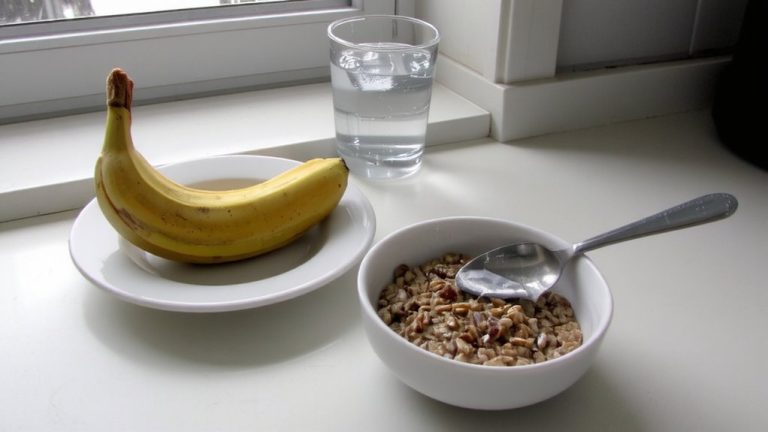
Now that you’ve measured your sweat rate using the one-hour no-fluid test, you can tailor your pre-run nutrition to match your body’s actual needs-especially if you’re a heavy sweater. If your sweat rate hits 1.5–2.5+ liters per hour, you’ll lose major electrolytes, especially sodium. Heavy sweaters should aim for 300–700 mg of sodium in pre-run meals 2–3 hours before running. Opt for salted foods like broth-based soups, salted oatmeal with nut butter, or a bagel with salted peanut butter. Sip sports drinks or add electrolyte mixes to boost fluid retention and plasma volume. Pair a banana-rich in potassium and fiber-with these salty choices to balance electrolytes. Real runners report less cramping and better stamina when they strategically include sodium and potassium. These tweaks help you start strong, stay hydrated, and power through long runs without bonking.
Pre-Run Foods for Moderate Sweaters: Focus on Fast-Digesting Carbs
If you’re a moderate sweater-losing between 0.5 and 2.5 liters of sweat per hour-you’ll want to focus on fast-digesting carbs 30 to 60 minutes before your run for quick, usable energy. Choose pre-run snacks with 1–4 grams of carbohydrate per kilogram of body weight to top off energy stores without stressing your digestive system. Fast-digesting carbohydrates like simple carbohydrates in bananas, white toast, or sports drinks boost blood sugar efficiently. A banana and peanut butter offers a balanced option, with 3 grams of fiber per fruit and quick-digesting potassium. Moderate sweaters benefit from easily absorbed fuels that won’t sit heavily during runs under 90 minutes.
| Pre-Run Snack | Carbohydrate (g per kg) |
|---|---|
| Ripe banana | 1–2 g |
| Sports drink (500ml) | 2–3 g |
| White toast + jam | 1.5–4 g |
Foods to Avoid Before a Run Based on Sweat Type
Avoiding the wrong pre-run foods can make a real difference in how you feel when your sweat rate climbs, especially if you’re a heavy, salty, or high-volume sweater. You’ll want to skip foods high in fat and fried foods-they slow digestion and can cause stomach issues when your body’s already stressed. Heavy protein and fat like steak or large egg meals are tough to process, so avoid them right before running. You don’t want to feel full or bloated mid-stride. Foods high in fiber or sugar alcohols (like xylitol) can pull water into your gut, leading to cramps or diarrhea, especially when you’re sweating heavily. Limit these within 2–3 hours of your run. Instead, eat and drink items that are simple and complex carbs with minimal fat. If you’re prone to electrolyte loss, drink an electrolyte beverage 30 minutes prior. Always leave enough time to digest-about 1.5 to 2 hours-so your body’s ready, not overwhelmed.
When to Eat Based on Sweat and Hydration
Ever wonder why you feel flat by mile six on a hot day, even if you drank water before heading out? Your sweat rate plays a big role. If you’re a heavy sweater (over 1.5 L/hour), plain water won’t cut it-your hydration plan needs sodium to boost fluid retention and protect plasma volume. Sip an electrolyte drink with at least 500 mg sodium per liter 60–90 minutes pre-run to stay balanced. Skipping sodium can lead to faster dehydration, even if you’ve drunk plenty. For low sweat rates (<0.8 L/hour), plain water 30–60 minutes out works fine. Timing matters: sodium-rich fluids 1–2 hours pre-run help high sweaters maintain fluid balance.
| Sweat Rate | Pre-Run Fluid | Timing |
|---|---|---|
| High | Electrolyte drink | 60–90 min |
| High (salty sweater) | Electrolyte drink (500+ mg/L sodium) | 90–120 min |
| Moderate | Electrolyte drink or water | 60 min |
| Low | Plain water | 30–60 min |
Tailor Your Pre-Run Meal for Real Conditions
Your sweat rate doesn’t just guide what you drink before a run-it shapes your entire pre-run meal strategy. If your sweat rate exceeds 1.5 liters per hour, include sodium-rich foods like salted pretzels or electrolyte drinks to boost fluid retention and prevent dehydration. Heavy sweaters (over 2 L/hour) should aim for 500–700 mg of sodium in their pre-run meal, consumed 2–3 hours prior for proper pre-run meal timing. This supports hyperhydration, especially if you’re a salty sweater with concentrations above 60 mmol/L-consider an electrolyte drink with glycerol the night before. For average sweat rates (0.5–1.5 L/hour), a balanced pre-run meal with moderate carbohydrates and minimal fat/fiber works well, especially in cool conditions. Real conditions demand real adjustments-tune your fuel to your sweat.
On a final note
Know your sweat rate to fuel smarter: heavy sweaters, grab salt-rich foods like pretzels or GU Roctane Electrolyte Caps (500mg sodium) to prevent cramps; moderate sweaters, go for bananas or toast with honey for quick carbs. Avoid high-fat, high-fiber meals-they slow digestion. Eat 60–90 minutes pre-run, adjusting for heat and humidity. Test in real conditions, tweak portions, and trust what your body responds to best.