How to Balance Protein and Carbs Before a Recovery Run
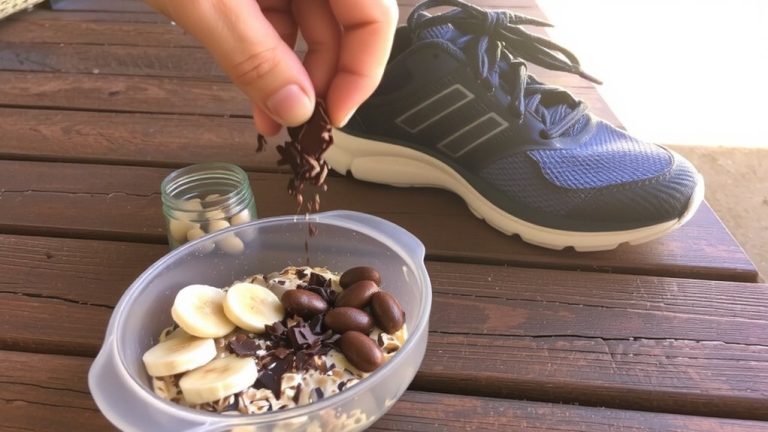
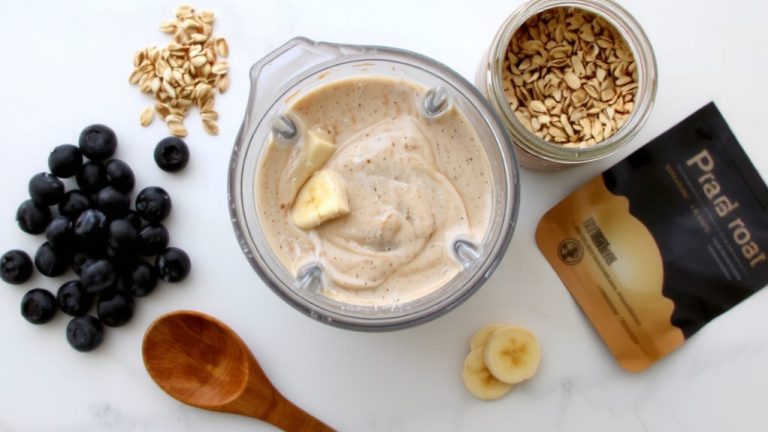
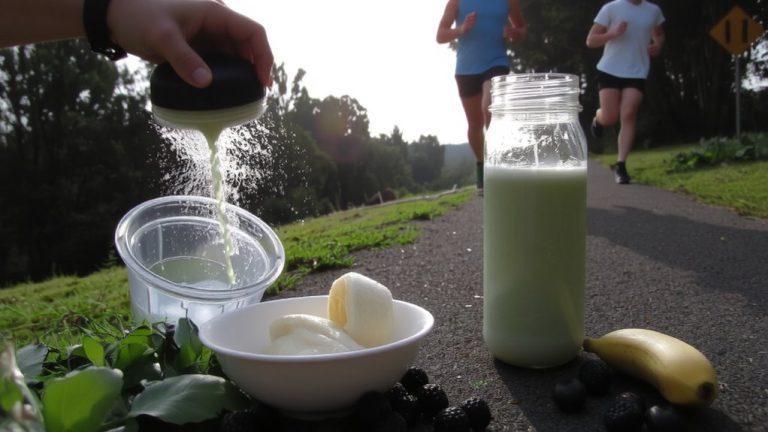
Fuel 30–60 minutes before your recovery run with 15–30 grams of simple carbs and 5–10 grams of protein, like a banana with 1 tbsp peanut butter or 8 oz of low-fat chocolate milk. This 3:1 ratio keeps energy steady, spares glycogen, and reduces muscle breakdown without weighing you down. Avoid fiber, fat, and dairy to prevent sloshing or cramps. Stick to tested combinations-your gut will adapt faster, and your next run will feel smoother.
We are supported by our audience. When you purchase through links on our site, we may earn an affiliate commission, at no extra cost for you. Learn more. Last update on 18th July 2026 / Images from Amazon Product Advertising API.
Notable Insights
- Consume 15–30 grams of simple carbohydrates 30–60 minutes before short recovery runs to maintain energy.
- Include 5–10 grams of protein to reduce muscle breakdown, especially during fasted or early-morning runs.
- Aim for a 3:1 to 4:1 ratio of carbs to protein to support performance and early recovery.
- Avoid high-fat, high-fiber, and dairy foods to prevent gastrointestinal distress during the run.
- Test carb-protein combinations in training to find tolerated amounts based on timing and run duration.
When to Eat Before a Recovery Run
If you’re lacing up for a recovery run, timing your pre-run fuel matters just as much as what you eat. Aim to consume 0.5 to 2 grams of carbohydrates per pound of body weight 2 to 3 hours before your run, giving your body time to digest and minimizing gastrointestinal (GI) upset. For shorter runs under 30–45 minutes, a small 15–30 gram carbohydrate snack-like a banana or graham crackers-30–60 minutes prior is enough. If you’re heading out within 30 minutes, stick to 10–20 grams of fast-digesting carbs, such as applesauce or a sports drink, and skip protein and fat. They slow digestion and can trigger GI discomfort. Since individual tolerance varies, test different timing strategies in training, not on race day. What works for one runner might not work for you-so experiment to find your sweet spot.
How Carbs and Protein Support Recovery Runs
While carbs take center stage as your body’s go-to fuel during a recovery run, pairing them with a touch of protein can give your muscles an early edge in repair. Carbohydrates are your primary energy source here-they keep blood glucose stable and spare glycogen, especially on runs under 60 minutes. Think of them as the spark that keeps your pace smooth and your energy steady. You’ll want 0.5 to 1 gram of carbohydrates per pound of body weight to stay fueled. Protein isn’t burning for energy on a recovery run, but 5–10 grams before you head out helps reduce muscle breakdown, especially if you’re running fasted. Together, in a 3:1 to 4:1 ratio-like a banana with a tablespoon of peanut butter-they support performance and jumpstart recovery without weighing you down.
Ideal Carb and Protein Amounts for a Recovery Run
You know carbs fuel your recovery runs and a bit of protein helps protect muscle, especially when you’re running on an empty stomach. For a short recovery run, focus on carbohydrates-not protein. Aim for 25–50 grams of simple carbohydrates 30–60 minutes prior, like white bread, juice, or graham crackers. If running 1–2 hours post-meal, 15–30 grams (think banana or applesauce) is enough. Keep protein minimal-it’s not needed for energy and slows digestion.
| Run Duration | Carbs (grams) | Example Snack |
|---|---|---|
| <30 min | 15–30 | Banana, applesauce |
| 30–45 min | 25–50 | White toast + jelly |
| Post-meal | 15–30 | Granola bar |
| Pre-run | 30–60 min prior | Orange juice |
| Recovery run | Minimal protein | Avoid peanut butter |
Foods That Cause Stomach Issues on Recovery Runs
Gut trouble doesn’t care how easy the run is-bloating, cramps, or worse can strike during even a short recovery jog if you’ve eaten the wrong thing. High-fiber foods like beans, broccoli, or bran cereal slow digestion and ferment in your gut, leading to gas and discomfort when your stomach’s jostling with each step. Sugar alcohols-common in sugar-free gum or protein bars-can pull water into your intestines, causing urgent bathroom needs or diarrhea within an hour. High-fat foods like fried bacon or heavy nut butters delay gastric emptying, leaving you feeling sluggish and increasing cramp risk. If you’re lactose intolerant, milk or yogurt before a run may trigger bloating and nausea. And don’t chug 16 oz of water right before heading out-overhydration causes sloshing and discomfort, too.
Best Pre-Run Snacks With a 3:1 Carb-To-Protein Ratio
A well-chosen snack with a 3:1 carb-to-protein ratio can make a noticeable difference in how you feel during a recovery run, delivering quick energy while helping to maintain muscle tissue without weighing you down. Your pre-run snacks should balance carbohydrates for fuel and protein to support muscle maintenance. Aim for about 30g of carbohydrates and 10g of protein 30–60 minutes before running. Try a banana with 1 tablespoon of peanut butter (27g carbs, 9g protein) or double a slice of white bread with 1 oz turkey (30g carbs, 10g protein). Low-fat chocolate milk (8 oz) is another solid choice, offering around 26g carbs and 8–9g protein. These ratios align with sports nutrition guidelines for light to moderate efforts, ensuring you get steady energy without digestive stress.
How to Train Your Gut for Recovery Run Nutrition
Why do some runners breeze through long runs without a stitch of cramping or nausea, while others battle bloating or side aches even on short recovery outings? The difference often comes down to gut training. By consuming 15–30 grams of easy-to-digest carbohydrates, like a banana or crackers, 30–60 minutes before a recovery run, you train your gut to handle fuel efficiently. Sipping a 6%–8% carbohydrate sports drink during short runs conditions your system to process fluids and sugars while moving. Over time, gradually increasing carbs from 0.5 to 1 g per pound of body weight improves absorption and reduces cramping. Consistency matters-even on easy days, practicing pre-run fueling boosts gastric emptying. Avoid high-fiber, high-fat, or high-protein foods, which slow digestion. With smart gut training, you’ll tolerate carbs better, enhance recovery run performance, and stay comfortable mile after mile.
On a final note
You’ve got this: fueling 30–60 minutes before with a 3:1 carb-to-protein ratio, like 30g carbs and 10g protein, keeps energy steady and aids muscle repair. Opt for easy-to-digest options like a banana with peanut butter or GU Roctane Energy Drink. Avoid high-fat or fibrous foods that cause cramps. Train your gut weekly, just like your legs, and stick to familiar products-testers swear by portable, low-residue snacks that won’t slow you down.