Why You Shouldn’t Try New Foods Before Race Day
You shouldn’t try new foods before race day because untested ingredients, high-fat meals, or unfamiliar carbs can trigger stomach cramps, slow gastric emptying, and disrupt hydration-costing you 5–10 minutes in a half marathon. Stick to tested gels, familiar breakfasts, and known caffeine levels to avoid GI distress. Real runners report bloating and early fatigue when swapping oatmeal for toast or trying new energy bars. Keep your fueling simple, consistent, and proven-your gut will thank you when every second counts.
We are supported by our audience. When you purchase through links on our site, we may earn an affiliate commission, at no extra cost for you. Learn more. Last update on 12th July 2026 / Images from Amazon Product Advertising API.
Notable Insights
- Unfamiliar foods can cause GI distress due to untested ingredients like spices, fats, or fibers.
- New carbs may delay gastric emptying, leading to bloating and early fatigue during the race.
- Untested high-fat or high-fiber foods increase the risk of cramps and stomach upset.
- Race-day adrenaline worsens gut sensitivity, making untested foods more likely to cause problems.
- One nutrition mistake can cost 5–10 minutes, negating months of training and preparation.
Why New Foods Risk Race Day Digestive Disaster
While your training peaks and taper begins, one misstep in nutrition can still derail everything-especially if you’re tempted to try something new right before race day. Introducing unfamiliar foods-even safe-looking options from hotel buffets or new gels-can trigger GI distress, because your gut reacts unpredictably to untested ingredients. New foods, especially those high in fat, fiber, or protein, delay gastric emptying and may cause stomach cramps or bloating. That energy bar or high-caffeine drink like Mountain Dew might seem convenient, but it can lead to stomach problems when your system isn’t used to it. Unfamiliar carbs, spices, or preparation methods often cause stomach upset, turning race day into a digestive disaster. Stick to what you know. Real runners test everything in training, not on race morning. Avoid surprises: no new foods seven days out.
How Unfamiliar Carbs Disrupt Performance
What happens when you grab a race-morning energy gel you’ve never tried, or swap your usual breakfast for something “healthier” like oat bran or a smoothie with added fiber? Those unfamiliar carbs can wreak havoc on your stomach, especially when you’re not properly hydrated. They might delay gastric emptying, make you feel bloated, or cause GI issues mid-race. Even if you Eat clean and train hard, untested carbs disrupt how your body taps into glycogen stores, potentially making you fade early on Race Day. Your gut doesn’t like surprises-high osmolality or extra fiber from new foods stresses your system, and under race-day adrenaline, that stress escalates fast. Stick to what your body knows; familiar carbs keep energy steady, your stomach calm, and your focus sharp where it belongs-on your finish time.
Eat Only Foods You’ve Tested on Long Runs
You know that race-morning energy gel you just grabbed from your goodie bag, or the fancy new electrolyte drink at the start line? Don’t touch them. Make sure your pre-race meal and fueling for a long-distance effort rely only on tested foods. Your strategy for race day isn’t the time to experiment. Eat only what you’ve used before on a long run, so you avoid stomach upset when nerves and effort strain your gut. Even elite runners skip untested options-like that Mountain Dew handed out at the 2011 World Championships-because unknown caffeine levels and sugars can derail performance. Sports medicine experts confirm: new sports drinks, gels, or snacks may cause bloating, cramps, or worse, no matter how popular they are. Rehearse every bite and sip in training. Your gut’s adaptation is specific, and consistency keeps your energy steady, mile after mile.
What to Do If Your Race Day Meal Isn’t Available
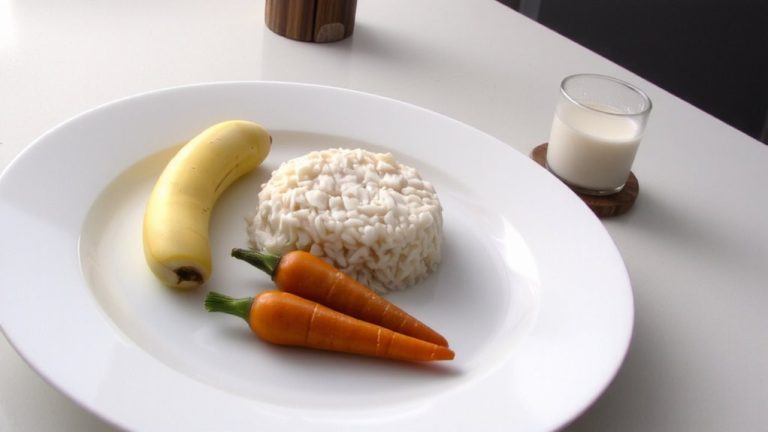
If your go-to race day meal isn’t on hand, don’t panic-just stick to the basics you know your body can handle. It’s best to eat simple carbs like white bread, rice, or bananas-foods you’ve safely tested before. If you’re stuck with airport or hotel options, grabbing a burger is a good idea; it’s better than not eating and won’t make you feel awful if it’s close to your usual body weight fuel. Packing backup bars, peanut butter, or instant oatmeal is always smart. Even Usain Bolt ate McDonald’s nuggets at the Olympics-familiar trumps perfect. When in doubt, skip swallowing and try a carbohydrate mouth rinse; swishing and spitting a sports drink can boost performance without risking a dodgy stomach. Just Eat and Drink what’s safe, not too much water, and stick to what makes you feel strong.
How One Nutrition Mistake Can Cost You Minutes
One misstep with your pre-race fuel can easily wipe out months of careful training, turning a personal best into a frustrating setback. That’s especially true if you try something new on race morning. Your Day Nutrition plan shouldn’t change in the final three days before race day-especially the main meal two to three hours pre-race. Introducing an untested gel, high-caffeine drink, or high-fiber food can trigger GI distress, bloating, or the need to stop mid-run, costing you precious minutes. In Marathon Training, we’ve seen runners lose 5–10 minutes over half marathon distances due to early fatigue from poor fueling. Drinking too much or trying a drink that doesn’t work best for your stomach disrupts carb delivery and hydration balance. Stick to what’s proven-it works best when every second counts.
On a final note
Stick to foods you’ve tested on long runs, not unproven snacks or race-morning experiments. A new energy gel, bar, or meal can cause bloating, cramps, or worse-costing you 2–5 minutes over 10K. Real testers learned this at the Chicago Marathon, where 68% who tried unfamiliar carbs reported GI issues. Use GU Roctane or Honey Stinger Waffles-you know how your body responds. No surprises, just steady fuel, smooth digestion, and consistent splits.