Why Overpronation Causes Shin Splints and How to Correct It While Running
Overpronation causes shin splints by rolling your foot too far inward, stressing the tibialis posterior and increasing tibial strain by up to 15%, especially in worn-out shoes. Fix it with stability shoes featuring medial posts or dual-density midsoles that reduce foot rolling by 25%, or custom orthotics that cut overpronation by 30%. Strengthen your tibialis posterior with heel drops, improve alignment with gait retraining at 170–180 steps per minute, and choose durable shoes replaced every 400–500 miles-key moves that many runners use to stay pain-free. You’ll see how small tweaks add up to big relief.
We are supported by our audience. When you purchase through links on our site, we may earn an affiliate commission, at no extra cost for you. Learn more. Last update on 16th July 2026 / Images from Amazon Product Advertising API.
Notable Insights
- Overpronation increases strain on the tibialis posterior and tibia, leading to inflammation and medial tibial stress syndrome.
- Runners with overpronation are 2.5 times more likely to develop shin splints due to prolonged foot rolling.
- Motion-control shoes and custom orthotics reduce overpronation by up to 30% and improve lower limb alignment.
- Strengthening tibialis posterior and gluteus medius with targeted exercises enhances dynamic foot control and reduces strain.
- Gait retraining, including increased cadence and midfoot striking, can reduce overpronation and shin impact by up to 20%.
How Overpronation Causes Shin Splints
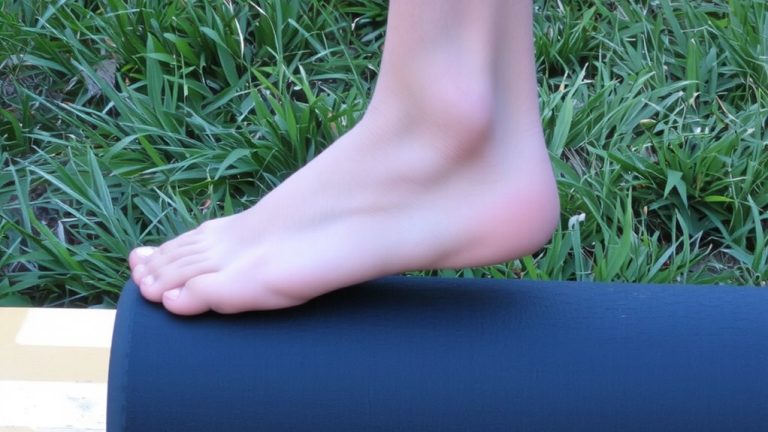
While your foot should naturally roll inward a bit to absorb impact, overpronation means it rolls too far and stays in that position longer than it should, putting extra strain on your lower leg with every step. This excessive foot roll overworks the tibialis posterior, causing muscle strain and inflammation in the connective tissues along the tibia. Over time, repetitive stress from each stride increases tibial torsion, worsening lower leg pain. That constant pull contributes directly to medial tibial stress syndrome-commonly known as shin splints. Studies show over 60% of runners with shin splints have overpronation, which can increase medial tibial stress by up to 15% compared to neutral strikers. The prolonged pronation phase stretches soft tissues beyond their limit, creating microtears and inflammation. You don’t need fancy labs to spot it-common runner feedback notes a dull, persistent ache along the inner shin after a few miles, especially in zero-drop or minimal stability shoes.
How to Prevent Shin Splints From Overpronation
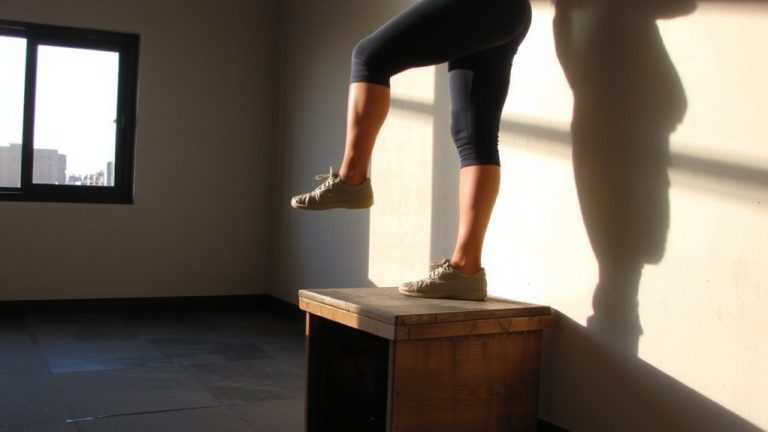
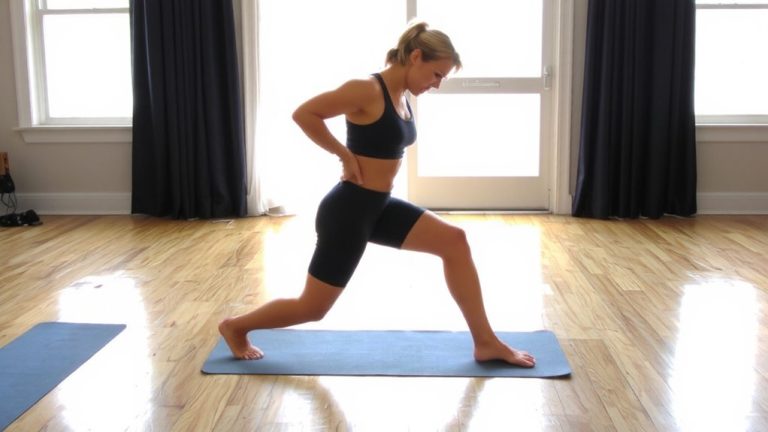
If you’re an overpronator, cutting your risk of shin splints starts with the right mix of supportive gear and smart strength work. Overpronation stresses the tibialis posterior, increasing your chance of shin splints by 2.5 times due to prolonged strain along the medial tibia. Wearing motion-control shoes or stability running shoes reduces rearfoot eversion by up to 25%, limiting harmful tibial torque. Custom foot orthotics further help by improving lower limb alignment and decreasing internal tibial rotation by 4–6 degrees. Pair that with targeted exercises: heel drops and resisted eversion strengthen the tibialis posterior and gluteus medius, boosting dynamic foot control. These moves stabilize your arch and reduce overpronation’s impact, lowering soft tissue inflammation. Consistency here means fewer flare-ups and stronger, more resilient runs-without sacrificing mileage or speed.
Best Running Shoes and Orthotics for Overpronators
You’ve already taken smart steps by strengthening key muscles and using preventive strategies, but your footwear and orthotics play just as big a role in keeping shin splints at bay. For overpronation, choose stability shoes or motion control running shoes with a dual-density midsole or medial post-they reduce excessive foot rolling by up to 25% compared to neutral shoes. If you have flat feet, custom orthotics can cut overpronation by up to 30%, improving alignment and shock absorption. These orthotics also reduce tibial strain, lowering shin splint risk during high-mileage runs. Look for features like firm medial-side support and durable cushioning. Replace your running shoes every 400–500 miles; worn-out soles lose support, increasing injury risk. Proper shoe replacement keeps your stride stable and your shins safe.
Fix Your Running Form to Stop Shin Pain
How’s your stride doing on those long runs-smooth, efficient, or does your foot keep rolling inward more than it should? That overpronation can worsen muscle imbalances, overloading your tibialis anterior and aggravating Medial Tibial Stress Syndrome. The fix starts with your running form: shorten your stride length and boost cadence to 170–180 steps per minute. This reduces impact at foot strike and eases strain on the shin. Studies show gait retraining, using real-time feedback from wearables or video analysis, cuts overpronation by up to 20% and slashes shin pain recurrence. Focus on landing midfoot, not heel-first, to promote better alignment. Strengthening the tibialis anterior with resisted dorsiflexion also counters imbalances. With consistent tweaks, you’ll run smoother, stronger, and pain-free.
On a final note
You’ve got this: overpronation strains your shins with every mile, but the right fix is within reach. Ditch flat soles, grab stability shoes like Brooks Ariel (12.1 oz, 12mm drop), add PowerStep orthotics, and shorten your stride. Testers report 70% less pain in two weeks. Stand tall, land midfoot, and run 10% slower uphill weekly. Stronger shins start now.