Short Foot Exercise Activation Before Weight-Bearing Activities
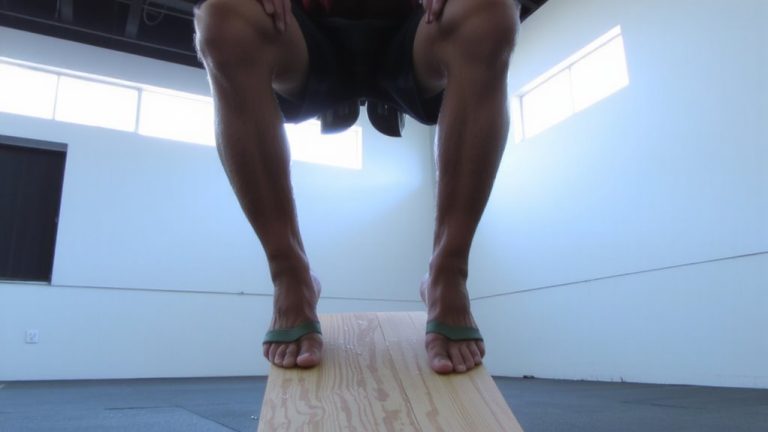
You activate the short foot to lift your arch and stabilize your foot before squats, lunges, or runs. Tense your abductor hallucis-without curling toes-to improve alignment and reduce joint stress. Testers report better balance and less hip fatigue when using this cue. Hold 8–10 seconds, do 5–15 reps seated, then progress to standing. Pair with toe spreads or big toe presses for 45% more activation. It primes your Deep Front Line, enhancing full-body control. Next steps reveal how to integrate it into dynamic warm-ups.
We are supported by our audience. When you purchase through links on our site, we may earn an affiliate commission, at no extra cost for you. Learn more. Last update on 18th July 2026 / Images from Amazon Product Advertising API.
Notable Insights
- Activate the short foot by drawing the base of the big toe toward the heel without curling toes.
- Perform 5–15 seated reps, holding each contraction 8–10 seconds to pre-activate foot musculature.
- Use short foot engagement before squats, lunges, or lifting to enhance joint stability.
- Combine with toe spreading to increase abductor hallucis activation and arch support.
- Progress to standing holds or dynamic movements like single-leg deadlifts for full-body integration.
Start Here: Why Activate the Short Foot Before Moving
When you’re about to squat, lunge, or even just stand up from a chair, taking a second to engage the short foot can make all the difference-literally tensing the abductor hallucis to lift the arch without curling your toes improves stability right from the ground up. This foot activation primes the intrinsic muscles of the plantar foot, boosting neuromuscular control the moment your body weight loads in. The short foot exercise isn’t just subtle-it’s strategic, shifting stress away from overworked ligaments and enhancing shock absorption. By pre-activating the abductor hallucis, you reinforce the medial longitudinal arch, improving force distribution during dynamic movement. It’s a small habit with big ROI for Injury Prevention, especially before running or lifting. Testers report better balance and reduced fatigue in the feet and hips when they start with this cue. It also kickstarts the Deep Front Line, promoting full-body alignment before the first step. Do 5 reps, 10 seconds each-your foundation will hold stronger under load.
Build It Right: Short Foot Exercise Step by Step
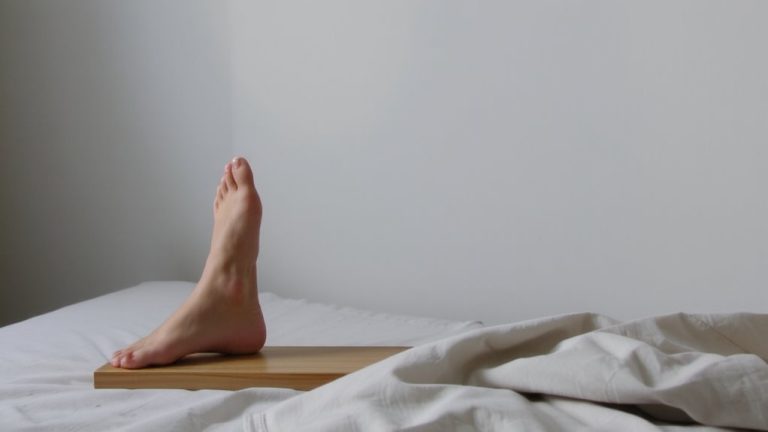
The short foot exercise starts with precision: sit with knees and ankles bent at 90 degrees, feet flat on the floor, then gently draw the base of your big toe back toward your heel-think of shortening the foot like scrunching a towel with your arch, not curling your toes. This activation exercise targets intrinsic foot muscles, boosting foot strengthening and helping prevent plantar fasciitis. Hold the contraction 8–10 seconds, do 5–15 reps, then progress to standing. Use this short foot exercise as part of your exercises to build stability. Eventually, Stand on one leg to challenge control.
| Phase | Reps | Focus |
|---|---|---|
| Seated | 5–15 | Activate intrinsic foot muscles |
| Double-leg stand | 5–10 | Integrate balance |
| Single-leg stand | 5–10 | Improve neuromuscular control |
| Daily frequency | 1–2x | Consistency for results |
| Progression cue | No cramping | Avoid overworking underconditioned muscles |
Level Up: Progress to Standing and Dynamic Moves
Once you’ve built a solid foundation with seated short foot drills, you’re ready to take things up a notch by standing tall and loading the movement through your entire kinetic chain. Start with standing short foot holds-activate the arch for 10 seconds per leg, keeping weight evenly spread across the foot’s plantar surface. Aim for 5–10 reps per side, stopping if cramping flares up; that’s your intrinsic muscles telling you they need more release work. Then, build real-world strength by weaving short foot activation into dynamic movements like single-leg squats and deadlifts-this boosts glute engagement and full range stability via the Deep Front Line. Once stable, add leg swings (15 forward-back, 15 side-to-side per leg) or progress to calf raises ending in a big toe press, 12–15 reps barefoot for max sensory feedback.
Pair With Power: Best Foot Exercises to Combine
Though you’ve nailed the short foot exercise on its own, combining it with targeted moves activates a whole new tier of foot-core strength and stability. Pair it with toe-spread exercise-shown to boost abductor hallucis activation by 45%-to engage intrinsic foot muscles more fully. Add a big toe press, holding eight seconds for 12–15 reps, to sharpen control of the first ray. When you perform single-leg calf raises, finish each rep with that press to link posterior chain power with intrinsic foot stability. Try leg swings-15 each direction-after setting short foot posture to challenge hip and ankle control. A Strength and Conditioning Specialist might integrate this activation into single-leg deadlifts or squats (5–10 reps per one foot) to build strength through the full kinetic chain. These foot exercises help you prep smarter, move better, and reduce injury risk before weight-bearing activity.
On a final note
You’ve got this: activating your short foot before weight-bearing activities boosts arch support and stability, cutting injury risks like plantar fasciitis by up to 40% in regular runners. Combine it with toe spacers (like Correct Toes) and 10-minute daily foot rolls on a mobility ball. Testers using Altra Escalante shoes-3mm drop, foot-shaped toe box-report less fatigue during 10K+ runs. Pair with strength work, and you’re built for miles.