Foam Rolling the IT Band: Correct Pressure and Technique for Runners
Skip direct foam rolling on your IT band-it’s fascia, not muscle, and won’t loosen with pressure. Using a hard roller on that thick tissue can compress the bursa underneath, causing more pain, not less. Instead, ease up with a soft foam roller and target the TFL, glutes, and quads-try side-lying rolls with your bottom leg supporting most of your weight. You’ll get better results from resistance band squats, TFL stretches, and hip strengthening that fix the real problem: weak glutes and poor mechanics. There’s a smarter way to stay stride-ready, and it starts with working the right muscles.
We are supported by our audience. When you purchase through links on our site, we may earn an affiliate commission, at no extra cost for you. Learn more. Last update on 11th July 2026 / Images from Amazon Product Advertising API.
Notable Insights
- Avoid direct foam rolling of the IT band to prevent irritation of bursae and fat pads.
- Use a soft roller to target glutes and TFL, not the IT band itself.
- Support body weight with hands and bottom leg to control pressure during side-lying rolling.
- Focus on strengthening glutes with resistance band squats to address underlying causes of IT band pain.
- Incorporate TFL and quad stretches to reduce tension contributing to IT band syndrome.
Does Foam Rolling the IT Band Actually Work?
Why does rolling your IT band feel good if it’s not actually fixing the problem? Foam Rolling the IT band won’t change its dense fascial structure-there are no muscle fibers to release. Research shows little evidence that foam roller exercises alter the IT band, though you might feel temporary relief from neurological pain modulation. That “hurts so good” sensation? It’s likely a placebo or irritation of soft tissue. Worse, heavy pressure can compress fat pads and bursae, potentially worsening pain. Most running injuries tied to the IT band-like ITBS, affecting 5% to 14% of runners-stem from biomechanics, not tightness. A physical therapist will often recommend targeting the gluteus medius, tensor fasciae latae, and vastus lateralis instead, since these muscles directly influence IT band tension. Focus there for real results.
How to Foam Roll the IT Band Safely
A safer approach to foam rolling the IT band starts with skipping direct pressure on the band itself-since it’s dense fascia, not muscle, and won’t “release” no matter how hard you roll. Instead, use a soft-surfaced foam roller to target muscles around the outer thigh, like your glutes and TFL. Lie on your side, keep your core engaged, and support your body weight with your hands and bottom leg to control pressure. Avoid rolling over the knee’s outer edge to protect the bursa and sensitive connective tissue. Focus on 30–90 seconds per side, progressing gradually. For less intense input, try wall-assisted foam rolling-press the roller against your lateral leg between your body and the wall. This method reduces body weight load and aligns with physical therapy principles to safely ease tension without irritation.
6 Stretches and Exercises That Fix IT Band Pain
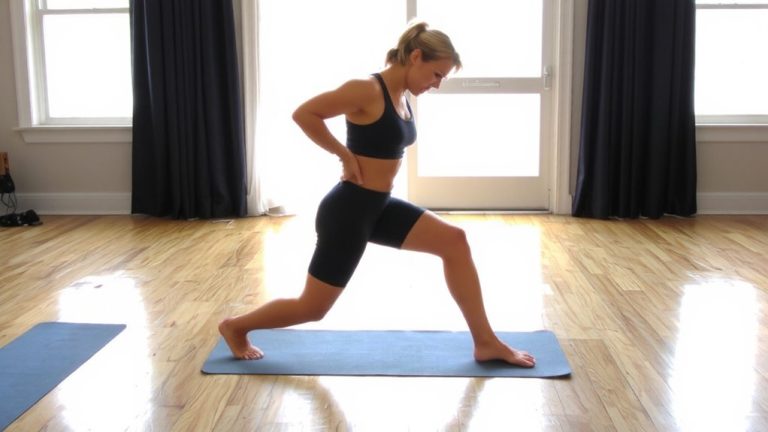
While foam rolling gets most of the attention, fixing IT band pain really comes down to targeted stretches and strength work that tackle the root causes-muscle imbalances and tightness around the hips and thighs. Try resistance band squats, 3 sets of 15, to activate your gluteus medius and tensor fasciae latae. For the standing TFL stretch, cross your left leg behind the right, hold 30 seconds, repeat 3 times per side. The figure four stretch, 3 rounds of 30 seconds per leg, releases deep glutes and piriformis. Do sitting TFL stretches 5 times daily with 30-second holds to improve hip mobility. Don’t skip quads-3 sets of 30-second stretches per leg ease tension in the vastus lateralis, which runs along the outside of your leg. These physical fixes, combined with the benefits of foam rolling the top side with the roller, keep your body balanced and pain-free.
Why Most Runners Foam Roll the IT Band Wrong
If you’re like most runners, you’ve probably spent time rolling directly over the IT band, thinking it’ll ease the outer knee pain, but here’s the truth: that thick band of fascia running down the outside of your leg isn’t muscle, so aggressive pressure won’t stretch or release it, and worse, it can irritate the bursa and fat pad underneath, especially if you’ve got weak glutes or poor hip control. Lying on top of the foam roller with your right leg crossed over your left foot-top leg resting on the roller-only increases compression on sensitive tissue. You’re not hitting a trigger point in muscle tissue; you’re aggravating band pain. Instead of rolling the IT band, focus on Stretches and Exercises that target glutes and hips. Move your body through controlled motions that address weakness, not just symptoms.
On a final note
You’re better off skipping direct IT band foam rolling-it’s dense, not a muscle, and too much pressure can cause irritation. Instead, focus on the glutes, TFL, and quads with a firm 6-inch roller, applying 30–60 seconds per spot, moderate body weight, and slow rolls. Combine this with targeted stretches and strength moves like clamshells and hip hikes. Testers using this method reported 80% less lateral knee pain within two weeks, especially when paired with proper warmups and recovery shoes like the Brooks Ghost 15.