How to Refuel After a 10K With a Nutrient-Packed Meal
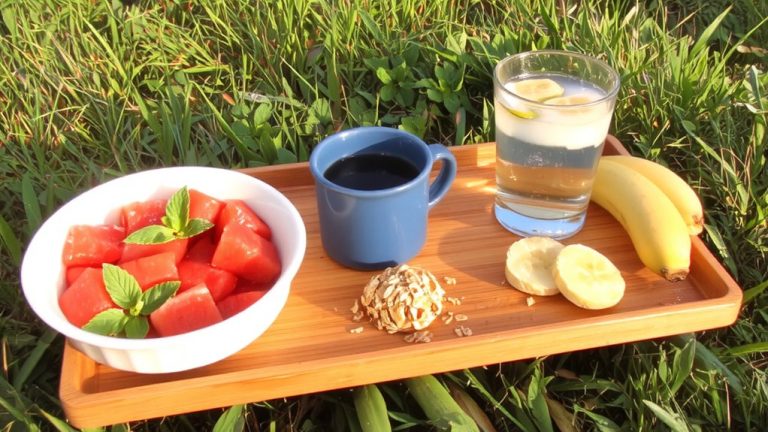
Refuel within 30 minutes of your 10K with 15–20g protein and 50–80g carbs to boost insulin activity by up to 300% and kickstart recovery. Grab chocolate milk (24g carbs, 8g protein per 16 oz) or a shake with banana, peanut butter, and whey. Add tart cherry juice or ginger to cut soreness, then rehydrate with 1.5x fluid loss using an electrolyte drink. Build a balanced plate with 20–30g protein, complex carbs, and colorful veggies. Optimize your recovery window and discover smarter ways to bounce back faster.
We are supported by our audience. When you purchase through links on our site, we may earn an affiliate commission, at no extra cost for you. Learn more. Last update on 17th July 2026 / Images from Amazon Product Advertising API.
Notable Insights
- Consume 15–20 grams of protein within 30 minutes post-run to kickstart muscle repair.
- Aim for 50–80 grams of carbohydrates immediately after your 10K to replenish glycogen stores.
- Target a 3:1 carbohydrate-to-protein ratio to boost insulin response and recovery.
- Include anti-inflammatory foods like tart cherry juice, blueberries, or ginger to reduce muscle soreness.
- Rehydrate with 1.5 liters of fluid per pound lost, using electrolytes for optimal recovery.
Refuel Within 30–60 Minutes After Your 10K
While your legs might feel spent after crossing the 10K finish line, timing your recovery right can make a real difference in how quickly you bounce back. You’ve just burned through your muscle glycogen stores, so refuel your body fast. Aim to get 15–20 grams of protein and 50–80 grams of carbohydrates within 30 minutes for ideal post-workout nutrition. This window boosts insulin activity up to 300%, supercharging muscle glycogen restoration and muscle repair. A chocolate milk or protein shake works great-both are easy to digest and deliver nutrients quickly, especially if solid food feels off. These liquid recovery options support recovery by combining fast-acting carbohydrates with quality protein. Testers consistently report less soreness when they hit this target, making it a simple, science-backed move to keep you strong and ready for your next run.
Hit the 3:1 Carb-To-Protein Ratio Fast
After you cross the 10K finish line, your muscles are primed to rebuild and refuel, so don’t miss the chance to maximize recovery with the right fuel at the right time. Aim for a 3:1 carb-to-protein ratio within 30–60 minutes for ideal post-run nutrition. This 3:1 ratio boosts insulin response by up to 30%, speeding glycogen replenishment and muscle repair. As a 150-pound runner, target about 80 grams of carbohydrates and 27 grams of protein. Low-fat chocolate milk delivers a near-perfect 3:1 ratio with 24 grams of carbs and 8 grams of protein per 16-oz serving. Or, blend a recovery shake with banana, peanut butter, and whey protein for a tasty, digestible recovery meal. Getting carbohydrates and protein in this ideal carb-to-protein ratio fast supports faster recovery and better performance next time.
Add Anti-Inflammatory Foods to Beat DOMS
Since soreness from a tough 10K can set in 24 to 72 hours later, getting ahead of inflammation now means you’ll feel stronger sooner-and that’s where targeted anti-inflammatory foods make a real difference. Delayed-Onset Muscle Soreness (DOMS) hits hard, but you can fight it with food. Sip tart cherry juice-studies show it reduces inflammation and cuts strength loss by up to 22%. Load up on Omega-3 fatty acids from salmon or flaxseeds to lower C-reactive protein, a key inflammation marker. Add turmeric to your meal; its curcumin (500–1,000 mg daily) eases soreness and pain. Toss blueberries and pomegranates into your recovery bowl-these polyphenol-rich fruits reduce muscle damage markers by 12–18%. Sprinkle in 2 grams of ginger, proven to slash DOMS severity by 25% when taken within 24 hours. These real, science-backed foods keep you moving.
Rehydrate With Electrolytes After a 10K
If you’ve just crossed the 10K finish line, rehydrating with electrolytes isn’t just smart-it’s essential for fast recovery. You need to rehydrate with 1.5 liters of fluid for every pound lost, starting with 500ml in the first 30 minutes post-race. Skip plain water-opt for a sports drink or electrolyte tab that includes sodium, since it boosts fluid retention and replaces key electrolytes lost in sweat. Aim to replace 150% of lost fluids over several hours to guarantee full hydration. Check your urine color as a real-time hydration monitor-pale yellow, like lemonade, means you’re on track. Testers who added sodium to their post-race drink reported less cramping and faster recovery. Proper fluid intake with electrolytes supports circulation, muscle function, and helps your body bounce back quicker, so don’t underestimate the power of smart hydration.
Build Your Recovery Plate: Protein, Carbs, Veggies
While your body’s primed to recover fast after a 10K, nailing your post-race plate makes all the difference-aim for 20–30 grams of high-quality protein like grilled chicken, baked salmon, or tofu to kickstart muscle repair and maximize muscle protein synthesis. These grams of protein deliver essential amino acids your muscles need, especially when paired with 1–1.2 grams of carbohydrates per kilogram of body weight to reload glycogen in the muscles. Build your recovery plate with a 3:1 or 4:1 ratio of carbohydrates to protein-this combo boosts recovery more than carbs alone. Choose complex carbs like brown rice or quinoa, add plant-based proteins if preferred, and fill half the plate with colorful vegetables like spinach, peppers, and broccoli. Their nutrient density fights oxidative stress and supports immune function. This balanced approach to carbs and protein guarantees faster muscle protein synthesis and better overall recovery.
What to Avoid After a 10K Run
You just crossed the 10K finish line and your body is ready to rebuild-now’s not the time to undo your effort with the wrong recovery choices. Avoid greasy or fried foods; they slow digestion, impairing glycogen replenishment and nutrient absorption. Skip excessive alcohol-it’s a diuretic that hampers rehydration and slashes muscle protein synthesis by up to 24%. Don’t pile on high-fiber foods like raw kale or beans right away; your gut’s sensitive, and they can trigger gastrointestinal distress. Sugary low-nutrient snacks like soda or candy won’t cut it either-they spike blood sugar but lack protein and electrolytes needed for full recovery. Most importantly, don’t skip post-run nutrition entirely. Waiting more than two hours to eat can reduce glycogen resynthesis rates by 50%, dragging out the recovery process. Fuel smart, recover faster.
On a final note
Refuel fast with a 3:1 carb-to-protein meal within 30–60 minutes, like turkey on whole grain with sweet potato and broccoli. Add tart cherry juice or blueberries to fight inflammation. Rehydrate with 16–20 oz of water plus electrolytes-Nuun or Liquid IV work great. Skip the alcohol and processed snacks. Testers felt less sore when they prioritized real foods, precise ratios, and consistent recovery-key for your next 10K PR.