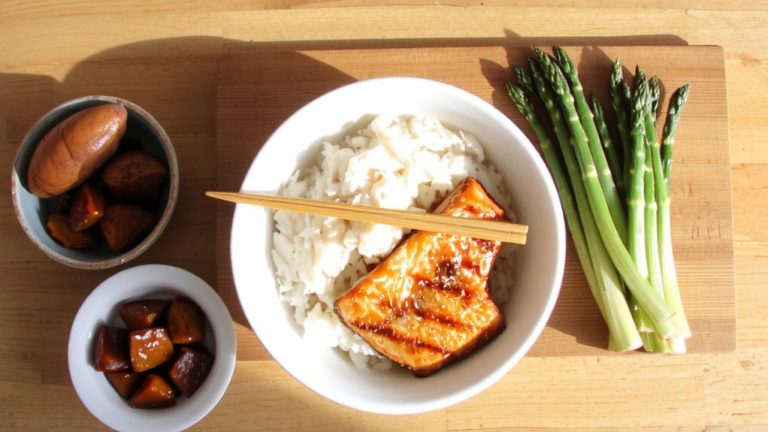
Why Avoiding High-Fiber Meals Immediately Post-Run Prevents Bloating
You avoid high-fiber meals right after running because reduced blood flow to your gut slows digestion, and fiber delays gastric emptying even more. Insoluble fiber from whole grains or raw veggies increases gas and bloating, especially when your system’s already stressed. Fermentation of fiber by gut bacteria adds to discomfort, while water-absorbing fiber worsens mild dehydration. Stick to low-fiber options like banana with peanut butter or white rice with egg. Sip water gradually-chugging causes sloshing-wait 1–2 hours before reintroducing fiber, up to 4 for sensitive runners, and discover how timing and food choices shape your recovery.
We are supported by our audience. When you purchase through links on our site, we may earn an affiliate commission, at no extra cost for you. Learn more. Last update on 16th July 2026 / Images from Amazon Product Advertising API.
Notable Insights
- High-fiber foods slow gastric emptying, worsening digestion when blood flow to the gut is already reduced post-run.
- Insoluble fiber from whole grains and raw veggies increases gas and bloating due to fermentation in a stressed gut.
- Post-run digestive function is impaired, making fiber-rich meals harder to process and more likely to cause distension.
- Fiber absorbs water, raising dehydration risk and contributing to constipation or bloating if fluids aren’t adequately replaced.
- Delaying fiber intake allows time for gut blood flow and motility to recover, reducing the likelihood of discomfort.
Why Post-Run Bloating Happens
While your body’s shifting blood flow to your muscles during a run, it’s pulling it away from the gut, which slows digestion and sets the stage for post-run bloating. Reduced blood flow to the gastrointestinal tract impairs gastric emptying and nutrient absorption, leaving food sitting in your digestive tract longer. This slowdown, combined with the jostling of organs, disrupts your digestive system and can trigger gas buildup. Swallowing air while breathing fast through your mouth adds to intestinal gas, worsening abdominal distension. Even dehydration or drinking too much water post-run can stall gut motility, either causing constipation or fluid sloshing. Though high-fiber foods support long-term gut health, they’re not ideal right after a run since they further delay gastric emptying and feed fermentation, increasing gas. These factors together amplify bloating in the lower digestive tract.
How High-Fiber Foods Worsen Post-Run Digestion
Why do you feel so bloated after a run, especially when you’re trying to eat healthy? It’s because high-fiber foods can disrupt post-run digestion when your body’s already under stress. During exercise, reduced blood flow to the digestive tract slows gut motility, and adding fiber-especially insoluble fiber from raw veggies or whole grains-only makes it worse. These foods delay gastric emptying, letting fermenting bacteria produce more gas, which leads to gas production and abdominal distension. Since fiber absorbs water, even mild dehydration from your run can turn things uncomfortable, worsening bloating and possibly constipation. When your digestive system’s struggling to recover, high-fiber foods increase bulk and trap gas, leaving you feeling distended. Skip the salad right after sprinting-it’s not the fiber itself, but the timing that backfires during recovery.
Best Foods to Prevent Bloating After Running
Recovery starts the moment you stop running, and your first bite matters just as much as your cool-down stretch. To reduce bloating and support digestion, choose foods that are easy on your gut. You’ll want to avoid high-fiber options like whole grains and raw veggies right away-they can ferment in your gut and make you feel bloated. Instead, reach for simple carbohydrates and low-fat proteins that ease bloating and help rebuild energy stores. A balanced diet post-run doesn’t mean heavy fiber; it means smart choices that prevent digestive issues.
| Food | Benefit |
|---|---|
| Banana with peanut butter | Provides quick carbs, healthy fats, no excess fiber |
| White rice with egg | Simple carbohydrates, supports recovery |
| Melon or peeled apples | Low-fiber fruits that hydrate and reduce bloating |
When to Eat After a Run for Optimal Digestion
You’ve just wrapped up a tough run, and your first instinct might be to refuel right away, but timing your post-run meal smartly can make a big difference in how you feel. When to eat after a run matters-especially after high-intensity exercise, which redirects blood from your digestive organs to your muscles. This shift slows gastric emptying, making immediate eating risky for bloating. For ideal digestion, consider delayed eating: wait 30 to 60 minutes before a full meal. If you ran over 60 minutes, grab a small snack with simple carbs and protein-like a banana with a tablespoon of peanut butter-within 30 minutes to kickstart recovery. This supports nutrient uptake without overwhelming your gut. Proper post-run meal timing prevents nausea and cramping, letting your system reset. Real runners report less bloating and better energy when they wait, especially after long or intense efforts.
How to Hydrate to Avoid Stomach Discomfort
Staying sharp on your feet starts with how you treat your gut, and smart hydration plays a quiet but critical role in avoiding stomach discomfort after a run. Drinking enough water-about 11.5 to 15.5 cups daily from all fluids and foods-keeps your system balanced and helps prevent bloating. Sip water regularly instead of taking big gulps; that way, you avoid abdominal distention and fluid sloshing. Drinking too much at once overwhelms your stomach, so spread your fluid intake throughout the day. After running, replace lost fluids gradually: drink 16–24 ounces of water per pound lost to stay hydrated without stressing digestion. Skip carbonated drinks and straws-they add air, increasing gas and bloating. Also, avoid artificial sweeteners like erythritol and sorbitol in recovery drinks; they draw water into the gut and can cause osmotic diarrhea. Steady hydration supports smoother digestion and keeps you feeling light.
When to Reintroduce Fiber After Running
After you’ve knocked out your run and rehydrated with steady sips of water-skipping the carbonation and artificial sweeteners you now know can stir up trouble-it’s time to think about what comes next on your plate. Wait 1–2 hours post-run before you reintroduce fiber, especially after intense or long sessions when blood flow has diverted from your digestive system. Start with low-fiber, easily digestible carbohydrates like white rice or bananas to gently restore energy without triggering bloating. Delay high-fiber meals at least 90 minutes-up to 3–4 hours if you’re prone to gastrointestinal distress. This gives gastric motility time to normalize. Gradually add fiber back in, so your body adjusts without discomfort. Real runners report less bloating and smoother recovery when they time their fiber intake this way, keeping gut issues at bay while still fueling performance.
On a final note
You’re better off skipping high-fiber meals right after running, since your gut’s still stressed and fiber slows digestion, increasing bloating risk. Stick to low-residue carbs like white rice, bananas, or a Clif Bar (35g carbs, 10g protein) within 30 minutes. Hydrate with 16–20 oz water or electrolyte drink like Nuun. Wait 1–2 hours before adding fiber; your stomach will thank you.