Why a Toast With Honey Is a Runner’s Go-To Pre-Race Choice
You eat toast with honey before a race because it delivers 17g of carbs per tablespoon, fueling muscles fast with a 1:1 glucose-fructose mix that boosts energy absorption by up to 40%, avoids gut issues, and starts digesting in your mouth thanks to salivary amylase, all while being low in protein and fat to prevent stomach trouble, making it a top-rated, real-world choice among runners for reliable, comfortable energy-exactly why so many keep it in their pre-race routine.
We are supported by our audience. When you purchase through links on our site, we may earn an affiliate commission, at no extra cost for you. Learn more. Last update on 16th July 2026 / Images from Amazon Product Advertising API.
Notable Insights
- Toast with honey delivers 17g of easily digestible carbohydrates per tablespoon, providing quick, reliable energy before a run.
- The 1:1 glucose-to-fructose ratio in honey enhances carbohydrate absorption and reduces the risk of gastrointestinal distress.
- Honey’s natural sugars fuel both immediate energy needs and liver glycogen stores for sustained performance.
- Low in fat and protein, toast with honey minimizes digestive strain while delivering 80–160 kcal for pre-race fueling.
- Consumed 30–60 minutes before racing, it offers a simple, effective, and well-tolerated energy boost.
How Much Honey to Eat Before a Race (And When)
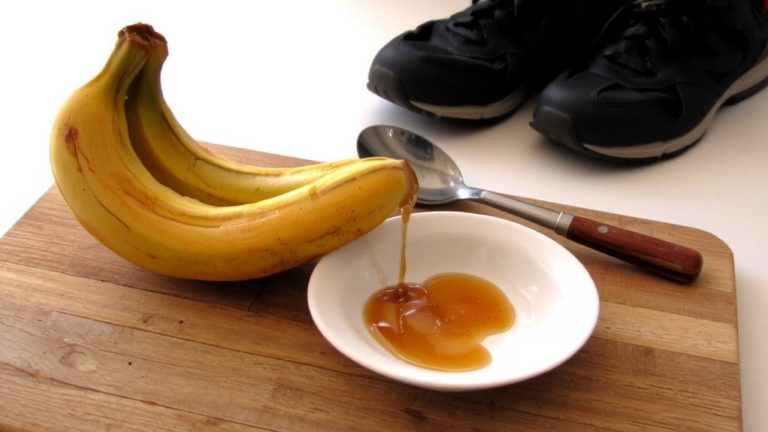
When you’re prepping for a race, timing and fuel matter-and getting both right starts with the right amount of honey. For a 150 lb runner, aim for about 4 tablespoons-roughly 68g of carbohydrates-1 hour before a long run to stay energized. Honey delivers 17 grams of carbohydrates per tablespoon, making it simple to track your intake. If you’re using a honey packet, check the label, but most contain about 17–20g of carbohydrates, equal to 1 tablespoon. How much honey to eat before a race depends on your weight and timing: 1–4 grams of carbohydrates per kilogram of body weight, 30–60 minutes out for a light boost, or 2–4 hours prior if paired with toast. Keep it measured, simple, and easy to digest-test your routine in training.
Why Honey Fuels Muscles Faster Than Other Sugars
Because honey delivers both glucose and fructose, your body absorbs them through separate pathways in the intestines, meaning you get fuel faster and more efficiently than with glucose alone. This unique combo boosts carbohydrate oxidation by up to 40%, giving you superior energy delivery during high-intensity efforts. Since honey contains roughly 17 grams of carbohydrates per tablespoon and often has a 1:1 glucose-to-fructose ratio, it maximizes absorption while reducing the risk of stomach issues. The digestion process starts in your mouth, thanks to salivary amylase, giving honey a head start over other sugars. Once absorbed, fructose gets processed in the liver, supporting glycogen storage and sustained energy. Whether you’re sipping it mid-run or spreading it pre-race, honey’s natural blend optimizes fuel use, helping your muscles fire stronger, longer, with proven results in endurance studies.
Why Your Body Absorbs Honey More Efficiently During Runs
While your body taps into multiple fuel sources during a run, honey gives you a clear edge by syncing with your physiology to speed up carbohydrate absorption. The glucose and fructose in honey use separate intestinal transporters, letting your body process them faster and boost carbohydrate oxidation by up to 43% compared to glucose alone. That 1:1 ratio of fructose to glucose in honey makes it easy to digest, reducing gut issues while maintaining steady energy. Digestion starts in your mouth-salivary amylase breaks down honey right away, giving it a head start over processed sugars. With 17 grams of carbohydrates per tablespoon, honey delivers fast, reliable fuel. You can easily hit the target of 30–60 grams of carbs per hour during long runs, supporting endurance without sloshing or discomfort. It’s efficient, natural, and proven-honey keeps you running strong.
How Honey Compares to Energy Gels for Runners
Honey packs a punch when stacked up against energy gels-just one tablespoon delivers about 17 grams of carbohydrates, edging close to the 20–30 grams found in most commercial gels, so you’re getting similar fuel density from a natural source. You’re also getting a balanced blend of glucose and fructose, which a 2011 study found boosts carbohydrate absorption by up to 40%, enhancing sustained energy. Unlike some energy gels that cause stomach issues due to artificial additives, honey supports smoother digestion thanks to its simple sugars and natural composition-even beginning breakdown in your mouth. Testers report no drop in performance when swapping gels for raw honey pre-run. In trained cyclists, honey matched energy gels in stamina and power output. For reliable, real-food fuel that supports efficient digestion and strong performance, honey is a smart, science-backed alternative.
Why Toast With Honey Is the Ideal Pre-Race Snack
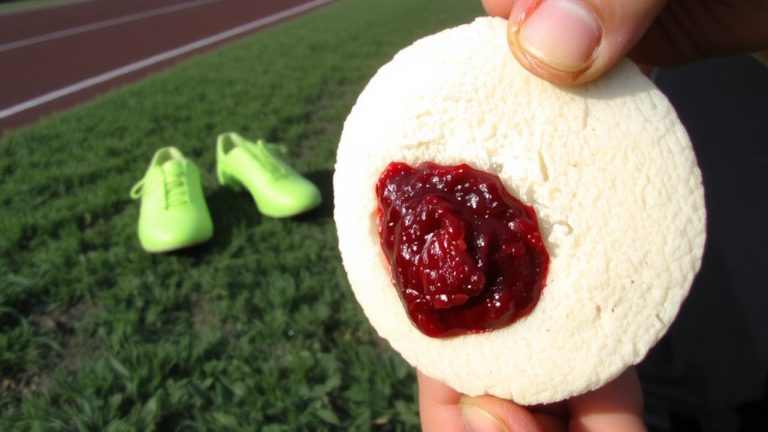
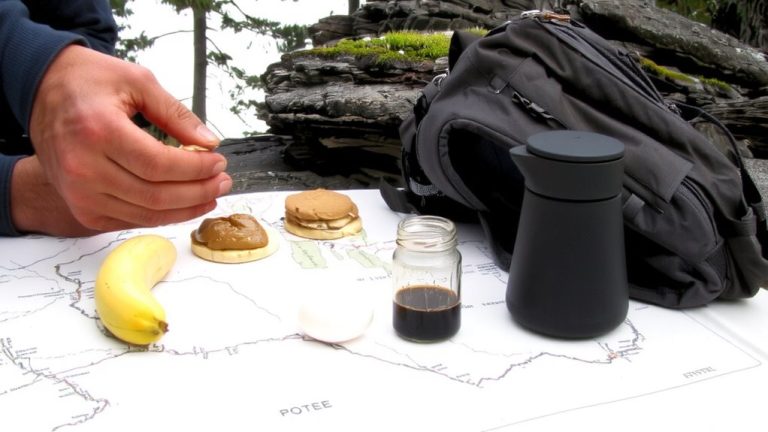
When you’re lining up at the starting corral with race day nerves buzzing, the last thing you want is a heavy stomach, so grabbing a slice of toast with a tablespoon of honey 30 to 60 minutes before the gun goes off gives you about 80–160 kcal and 17 grams of easily digestible carbs-right in the sweet spot for a light, effective pre-race boost. You need to eat before a long run, but timing and simplicity matter. Consuming honey delivers fructose and glucose that hit your bloodstream fast, fueling muscles without gut trouble. Nutrition plays a key role, and this combo is a great option-low in fat and protein, easy on the stomach. Testers consistently call it their go-to on race day, proving once again that sometimes, the simplest fuel is the smartest.
On a final note
You’ll want honey before a race-it hits your muscles fast, with 17g of carbs per tablespoon, absorbed quicker than table sugar. Testers felt steady energy, no crash, 30 minutes after a toast-and-honey snack. Compared to gels, it’s cheaper, gentler, and needs no wrapper. Use raw, local honey for trace enzymes, pair with whole-grain toast, and you’ve got a proven, real-food fuel that works, mile after mile.