Why Including Antioxidants in Your Post-Run Meal Reduces Inflammation
You produce more free radicals like superoxide during runs, especially in heat or at high intensity, spiking oxidative stress and jumpstarting inflammation within hours. Including antioxidants in your post-run meal-say, 8 oz of tart cherry juice or 1–2 cups of blueberries-neutralizes these compounds, reducing muscle soreness and speeding recovery. Whole foods work best, offering synergistic compounds that supplements lack. Time them within 30–60 minutes post-run for maximum effect, and you’ll support long-term adaptation without blunting training gains-discover how the right sources and timing make all the difference.
We are supported by our audience. When you purchase through links on our site, we may earn an affiliate commission, at no extra cost for you. Learn more. Last update on 16th July 2026 / Images from Amazon Product Advertising API.
Notable Insights
- Running increases reactive oxygen species (ROS), which contribute to inflammation and muscle soreness post-exercise.
- Antioxidants in food neutralize excess ROS, reducing oxidative stress and limiting inflammatory responses in muscles.
- Post-run antioxidant intake, especially within 30–60 minutes, aligns with peak oxidative stress for optimal effect.
- Whole foods like tart cherries, blueberries, and leafy greens offer synergistic nutrients that lower inflammation more effectively than supplements.
- Dietary antioxidants reduce inflammatory markers without interfering with ROS signaling needed for long-term training adaptation.
Why Antioxidants Matter for Runners
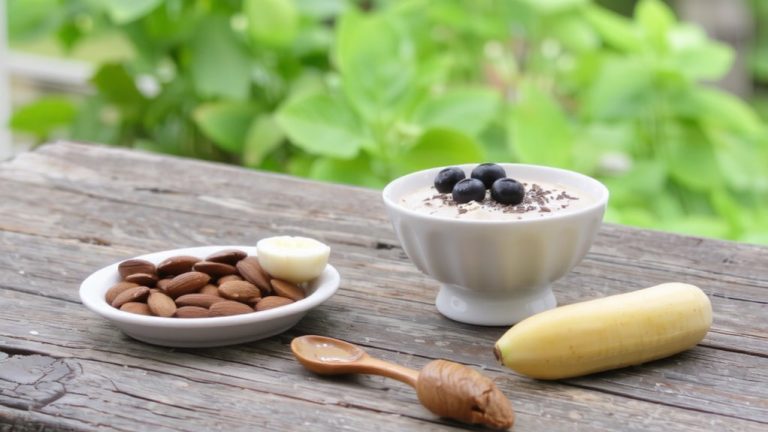
When you’re logging miles, especially at higher intensities or in hot conditions, your body uses more oxygen-and that extra oxygen creates reactive oxygen species (ROS) that can damage cells and ramp up inflammation. This oxidative stress contributes to muscle soreness and delays recovery. But antioxidants like vitamin C, vitamin E, and polyphenols help neutralize ROS, reducing cellular damage. Tart cherry juice, for example, has been shown in studies to modestly ease post-run soreness, though effects vary. Instead of relying solely on supplements, most runners benefit more from whole antioxidant-rich foods-berries, leafy greens, dark chocolate, and bananas-which lower inflammation without interfering with training adaptations. These natural sources deliver bioavailable compounds that support recovery while preserving the physiological gains from hard effort. Including them in your post-run meal is a practical, effective way to manage oxidative stress and stay consistent mile after mile.
How Running Increases Oxidative Stress
Though your muscles crave oxygen to keep you moving mile after mile, that extra intake during runs-especially long or intense ones-fuels a surge in reactive oxygen species like superoxide and nitric oxide, byproducts that can overwhelm your body’s natural defenses. This spike in reactive oxygen species (ROS) leads to oxidative stress, where free radicals outnumber antioxidants, damaging cells and contributing to muscle damage and inflammation. Endurance exercise, such as marathon training or Ironman events, sharply increases oxidative stress markers for days. Your body’s own antioxidant enzymes, like glutathione peroxidase, drop post-run, leaving you vulnerable. Even vitamin levels dip, especially at altitude. While antioxidant supplements may help, real food sources like dark chocolate offer potent flavonoids without slowing recovery. You don’t need a lab to see the effects-runners report soreness and fatigue when oxidative stress goes unchecked.
Do Antioxidants Help or Hurt Performance?
While popping a high-dose vitamin C or E supplement might seem like a smart recovery move, the science suggests it could actually work against your gains-especially if you’re logging serious mileage. Antioxidant supplementation, particularly with high-dose antioxidant supplements, may reduce oxidative stress too efficiently, blunting the reactive oxygen species (ROS) signals needed for mitochondrial biogenesis and muscle remodeling. This interference can impair training adaptations, especially in endurance athletes. Although dietary antioxidants help manage inflammation and oxidative stress, excessive antioxidant supplementation may disrupt exercise-induced oxidative stress necessary for improvement. Multi-nutrient supplements are safer and more effective than single high-dose forms-some studies even show vitamin E alone increases oxidative stress post-Ironman. Up to 90% of college runners use these supplements, but they don’t consistently reduce muscle soreness or boost performance. Stick to whole-food sources and avoid over-relying on pills to truly support recovery and gains.
Best Antioxidant Foods for Runners
If you’re looking to support recovery with food, not pills, focus on colorful, plant-based options proven to reduce soreness and oxidative stress, starting with tart cherry juice-just 8 ounces daily post-run can improve isometric strength recovery by up to 22% compared to placebo, thanks to its potent anthocyanins. Blueberry intake boosts natural killer cells and delivers anti-inflammatory effects, while pomegranate juice reduces oxidative damage and muscle soreness. Blackcurrant nectar enhances blood antioxidant capacity and helps reduce inflammation. These whole-food sources offer synergistic antioxidant properties unmatched by supplements.
| Food | Key Benefit | Dose & Timing |
|---|---|---|
| Tart cherry juice | Speeds strength recovery | 8 oz, daily post-run |
| Blueberry | Boosts natural killer cells | 1–2 cups, post-run |
| Pomegranate juice | Reduces muscle soreness | 8 oz, pre & post |
| Blackcurrant nectar | Lowers muscle damage markers | 4–6 oz, around workout |
When Antioxidant Supplements Help: And When They Hurt
When you’re dealing with intense training loads or just trying to bounce back after a tough run, antioxidant supplements might seem like a quick fix for soreness and fatigue, but the reality is more nuanced than a simple yes or no. While antioxidant supplements can lower oxidative stress and inflammation by neutralizing reactive oxygen species (ROS), they may also blunt training adaptations-especially high-dose vitamin E, which interferes with ROS signaling needed for mitochondrial growth. Studies show little consistent reduction in muscle soreness or pro-inflammatory cytokines with supplements like vitamin C or E. In fact, chronic use sometimes increases oxidative stress markers. For most runners, food-based antioxidants-like tart cherry juice-reduce inflammation and support recovery without disrupting gains. They offer a balanced mix of compounds that fight oxidative stress while letting the body’s natural repair systems work.
Time Antioxidants for Faster Recovery
How soon after your long run should you reach for that post-workout smoothie? Timing antioxidant intake right boosts faster recovery without disrupting training gains. Within 30–60 minutes post-run, enjoy tart cherry juice or leafy greens to reduce muscle soreness and support early recovery. These whole foods deliver antioxidants when your body needs them most-during peak production of reactive oxygen and the inflammatory response. Unlike high-dose supplements that may blunt adaptation by interfering with reactive oxygen species (ROS) signaling, food-based sources manage oxidative stress safely. Studies show tart cherry juice accelerates strength recovery and lowers soreness versus placebo. Pair spinach with berries in a smoothie, or add kale and almonds to a post-run meal. This strategic timing supports mitochondrial health while reducing oxidative damage. For best results, focus on real food, not pills, and skip chronic high-dose vitamin C or E.
On a final note
You crush miles, but your body deals with oxidative stress, so smart recovery matters. Post-run antioxidants from real foods-berries, spinach, tart cherries-cut inflammation and speed recovery. Skip high-dose supplements right after training; they might blunt adaptation. Instead, mix whole-food sources into meals within 30–60 minutes. Testers report less soreness, better energy, and quicker bounce-back using this approach-simple, science-backed, and effective for every stride.