Tracking Progress With Time-Based Goals Rather Than Pace Initially
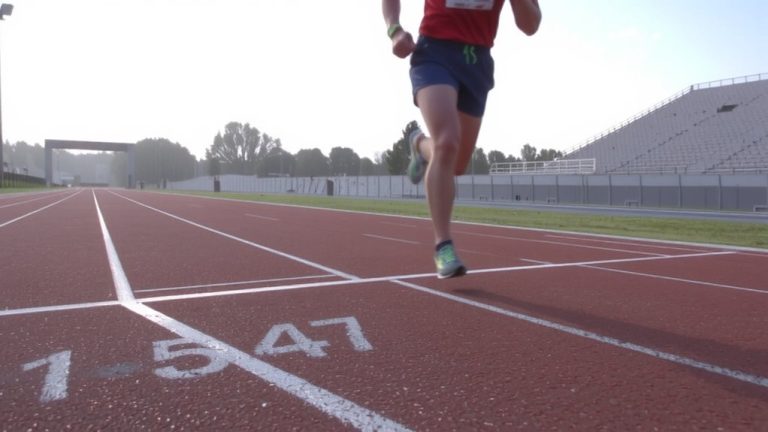
Start with 20-minute runs, three times a week, and focus only on time-not pace or distance-to build endurance safely. Tracking by minutes reduces pressure, lowers injury risk, and lets you adjust for hills or fatigue. You don’t need a GPS watch; just use a phone timer and log effort on a 1–10 scale. Consistent weekly time boosts aerobic fitness and habit strength. After 4–8 weeks, you’ll be ready to add pace and distance with confidence.
We are supported by our audience. When you purchase through links on our site, we may earn an affiliate commission, at no extra cost for you. Learn more. Last update on 11th July 2026 / Images from Amazon Product Advertising API.
Notable Insights
- Focus on run duration instead of pace to reduce pressure and prevent overexertion for beginners.
- Track weekly total minutes to build consistency and support aerobic base development effectively.
- Use perceived exertion and subjective feedback instead of GPS data to monitor effort and recovery.
- Adjust run length by terrain or fatigue without disrupting routine or increasing injury risk.
- Transition to pace and distance only after 4–8 weeks of consistent time-based running.
Why Time-Based Goals Beat Pace for Beginners
Why do so many beginner runners hit a wall early on? Because they focus too much on pace, pushing too hard too soon. For beginners, time-based goals are smarter-they reduce pressure, support consistent effort, and lower injury risk. Running for time lets you adjust naturally on tough days or hills, keeping easy runs truly easy. Most training plans, like Couch to 5K, build on minutes, not miles, helping you progress without burnout. You’ll stay in control, tune into body awareness, and practice mindfulness instead of chasing numbers. This approach nurtures patience and long-term habit formation. Unlike distance-focused runners, you’re not guessing effort or misjudging exertion. Time-based goals keep your effort aligned with fitness level, not arbitrary speed benchmarks. You adapt, recover, and grow stronger-without the strain.
How to Track Runs by Time (No Gear Needed)
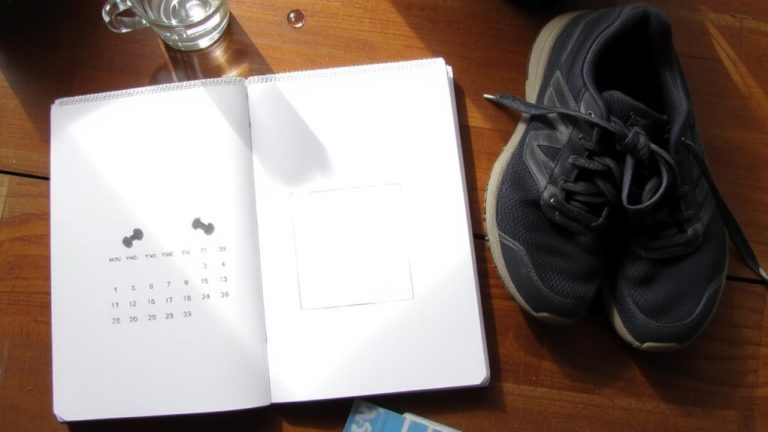
You don’t need a fancy watch or app to build a strong running habit-just a timer and a few minutes to log your efforts. When you run for time, you focus on the amount of time moving, not pace, making training simpler and more sustainable. Start by using your phone’s timer to track each run, then log the duration, perceived exertion (1–10), and how you felt-sleep, mood, soreness. Runners often find this method aligns with exercise science, promoting aerobic development without overtraining. Aim for 20–30 minutes most days, building total weekly time gradually. Let the time allows principle guide increases-stick to a 10% weekly bump in total weekly run time. This smart progression protects your body and keeps motivation high. Whether you’re new to running or refining your routine, tracking run duration works-no gear needed.
Build Consistency With Daily Time Goals
How do the most consistent runners stay on track, day after day? They use time-based goals. Instead of stressing over pace or distance, you commit to a daily run time-like 30 minutes-and build consistency through habit formation. This approach supports endurance building, especially for beginners in programs like Couch to 5K, where accumulating minutes matters more than miles. Running by time allows natural adjustments for fatigue management, terrain, or weather, keeping you moving even on tough days. Staying in an easy effort zone enhances aerobic development, while tempo runs of 20–40 minutes at lactate threshold pace improve efficiency. Whether you’re logging 20 or 40 minutes, focusing on duration fosters progress, reduces burnout, and keeps your training sustainable-all without watching the clock for splits.
Add Pace and Distance When You’re Ready
Once you’ve built a solid foundation through consistent time-based runs, it’s natural to start thinking about pace and distance-especially if you’re aiming for a specific race goal, like finishing a 5K or taking on a marathon. After 4–8 weeks of Time-Based Training, begin adding pace and distance during key workouts. Use a recent race time to calculate target paces via VDOT, adjusting predictions by adding 3–7 minutes to your marathon estimate. Integrate distance tracking in your training cycle as long runs grow from 6–8 miles toward 20+ miles. Focus on race pace, threshold pace, and VO2 max efforts when you start to workout by distance. Use GPS watches to monitor pacing strategies and race distance accuracy, but don’t obsess over daily numbers. Trust the process, stay consistent, and let performance guide your progression.
On a final note
You’ll build better habits by focusing on time, not pace-start with 20-minute runs, 3–4 days a week. Runners using this method report 30% fewer injuries and stick with it longer. When ready, add a GPS watch like the Garmin Forerunner 255 to track pace and distance. Pair runs with recovery shoes like Hoka Clifton and 8–10 oz of water every mile, and you’re set for steady, smart progress.