Simulating Race Conditions During Long Runs: Weather, Start Times, Gear Testing
Start your long runs at 7 a.m. to match race-day circadian demands, and seek out Florida-level humidity to acclimate. Wear your exact gear-shoes, socks, hydration pack-and test for chafing over 20+ miles. Fuel every 20–25 minutes with a 2:1 glucose-fructose gel, hitting 90 grams per hour. Dial in effort by running marathon pace in expected conditions, and nail a full dress rehearsal at 28–32 km. Real practice builds unshakable confidence on race day.
We are supported by our audience. When you purchase through links on our site, we may earn an affiliate commission, at no extra cost for you. Learn more. Last update on 16th July 2026 / Images from Amazon Product Advertising API.
Notable Insights
- Schedule long runs to start at the same time as race day to align with circadian rhythm.
- Train in high humidity and heat similar to race conditions for proper acclimation.
- Wear exact race-day gear during long runs to test comfort and prevent chafing.
- Practice fueling with race-specific nutrition every 20–25 minutes to train the gut.
- Rehearse hydration and gear setup in real weather to ensure stability and performance.
Simulate Race Conditions at the Right Time and Weather
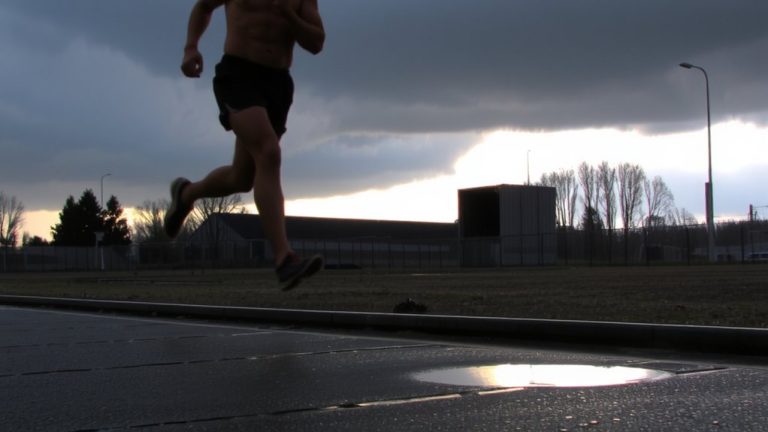
How do you prepare your body to perform when it matters most? You match your long run start time to race day, like 7:00 AM, so your circadian rhythm stays in sync. If race conditions mean Florida-level humidity, train in similar weather conditions-your heat acclimation improves sweat efficiency and plasma volume. Do at least two long runs in peak summer heat if facing hot race conditions, boosting thermal regulation. Gradually increase heat exposure 7–14 days pre-race, lifting endurance by up to 8%. Run marathon pace segments during long runs when temperatures mirror expected race conditions. That way, you nail effort perception and dial in hydration needs. Real testers found they conserved energy and avoided late-race fade. Simulating race conditions isn’t optional-it’s how you guarantee your body’s ready, no matter the weather, time, or pace.
Wear and Test All Race Gear Ahead of Time
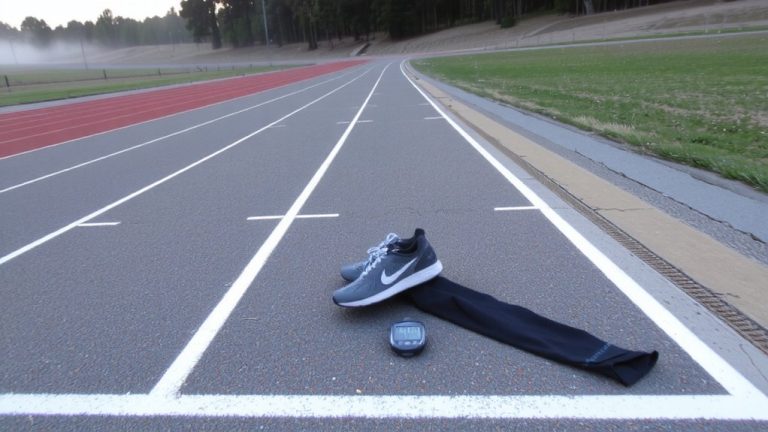
You’ve already matched your long run start time to race day and trained in the heat to nail your effort and hydration-now it’s time to lock in your gear like a pro. Wear and test everything: race gear like your exact shoes, socks, shirt, and accessories during long runs to catch chafing or blisters early. Make each run a dress rehearsal-use the same hydration pack or hand bottle you’ll race with, confirming it carries your nutrition strategy (think 4–5 gels) without bounce. Test storage solutions under real weather conditions to guarantee they stay secure. Run at the same start time, in similar heat or rain, to check how layered clothing performs. Verify breathability, fit, and mobility with everything you plan to wear. This isn’t just prep-it’s precision practice.
Perfect Your Fuel Timing During Long Runs
While you’re building endurance on long runs, nailing your fuel timing is just as critical as logging miles. Start your fueling at mile 5 with your first gel to match typical marathon schedules and train your body to digest on time. Aim for 90 grams of carbohydrate intake per hour, using a 2:1 glucose-to-fructose ratio for better absorption and sustained energy. Take fuel every 20–25 minutes to mimic race-pace aid station spacing and keep your levels steady. Practice this during race-pace segments to see how your body handles nutrition under intensity. Cap your final gel by mile 20 to avoid GI issues late in long runs. This smart timing trains your digestive system, matches real marathon demands, and guarantees you’re fueled without discomfort when it counts.
Run a Full Race Rehearsal 3 Weeks Before
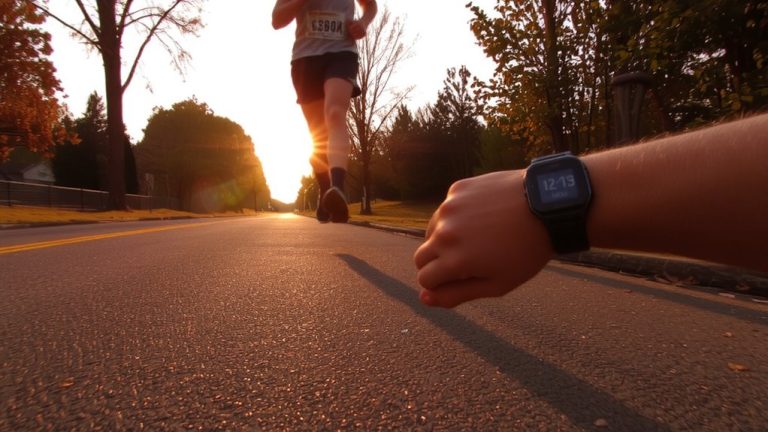
Three weeks out from race day, you’ll want to lock in your strategy with a full dress rehearsal that mirrors the actual marathon as closely as possible. This race rehearsal is a cornerstone of smart marathon preparation. Run 28–32 km at your usual training time, but align the start time with race day to sync your body clock. Wear the exact gear you’ll wear on race day-shoes, socks, shorts, shirt-to test comfort and prevent chafing. Include 4–5 gels in your fueling strategy, taking them every 45–60 minutes to confirm digestion. Spend the final 8–10 km at goal race pace (e.g., 3:40/km) to assess pacing and fatigue management. Do this long run in similar weather to fine-tune heat or humidity acclimation. This race rehearsal builds confidence and reveals flaws before it counts.
Build Mental Toughness Through Realistic Practice
Because race day demands more than physical readiness, training must include realistic practice that prepares your mind for fatigue, discomfort, and unexpected stressors. Your long runs should simulate real race conditions-start at 7 a.m. to align with race day circadian rhythms, so you’re ready physically and mentally. Run in Florida-level humidity, even if you train in cooler Baltimore air, to adapt to heat stress. Wear your full race gear: shoes, socks, and hydration pack, so you catch chafing or blisters before marathon prep ends. Practice 90 g of carbs per hour to train your gut under fatigue. In the final 10K, rehearse mental resistance strategies. Push through tired legs, doubt, and heat-this builds mental toughness. You’re not just training physically, you’re preparing mentally. Realistic practice makes race day feel familiar, manageable, and beatable.
On a final note
You’ve nailed the key prep: simulate race-day weather and start times, test your gear-like moisture-wicking Newton shoes and a Salomon hydration vest-and dial in fueling with 60g carbs/hour using GU Energy gels. Three weeks out, run a full rehearsal. Real testers report fewer injuries, better pacing, and confidence when training mimics race reality. Stay consistent, stay ready.