How to Use Interval Training to Improve Running Form at VO2 Max Pace
You improve running form at VO2 max pace by doing 20–60 second intervals at 90–100% max heart rate, hitting 5K effort with a 1:1 work-rest ratio. Focus on 180 steps per minute, upright posture, and midfoot strike. Warm up with 10 minutes of jogging plus dynamic moves like high knees, then use 1K repeats to lock in mechanics. Active recovery jogs reinforce rhythm, and weekly progression boosts stamina without sacrificing form-consistency here sharpens efficiency, so keep refining each rep.
We are supported by our audience. When you purchase through links on our site, we may earn an affiliate commission, at no extra cost for you. Learn more. Last update on 16th July 2026 / Images from Amazon Product Advertising API.
Notable Insights
- Perform 20–60 second intervals at 90–100% VO2 max pace to train form under high-intensity fatigue.
- Maintain a cadence of 170–180 steps per minute to enhance efficiency and reduce mechanical breakdown.
- Use 1,000-meter repeats with 1:1 work-to-rest ratios to reinforce proper stride mechanics under stress.
- Warm up with 8–15 minutes of easy jogging and dynamic drills to prepare neuromuscular and cardiovascular systems.
- Progress gradually by adding one interval every 7–10 days while keeping effort at 85–90% max heart rate.
What Is VO2 Max Pace and Why It Affects Form?
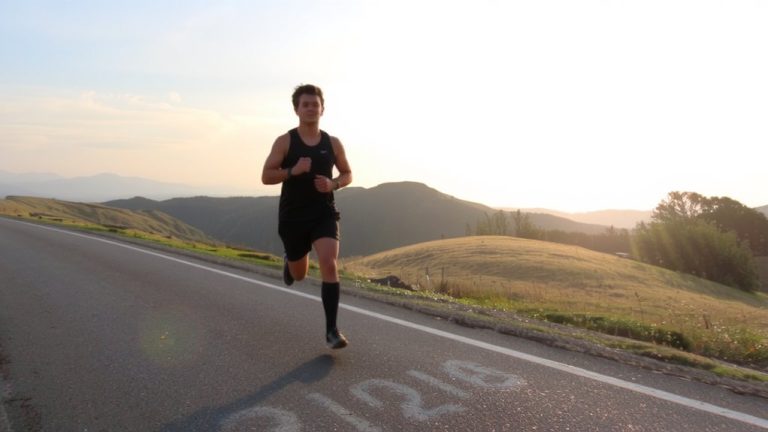
VO2 max pace is the speed at which your body uses oxygen as efficiently as it possibly can, usually around your 5K race effort and hitting 90–100% of your max heart rate. At this intensity, your aerobic capacity is maxed out, and your running pace demands peak energy production. This high stress challenges neuromuscular coordination, often leading to degraded running form-excess vertical bounce, slumped posture, or uneven arm swing. As fatigue builds, stride efficiency drops, increasing injury risk and reducing economy. Even though you’re working at VO2 Max, maintaining good form isn’t just helpful-it’s essential. Focus on a strong, upright posture and consistent cadence near 170–180 steps per minute. Doing so helps sustain performance, improves oxygen use, and reinforces smart biomechanics when your max heart rate and breathing are under fire.
Use Intervals to Train Better Form at High Speeds
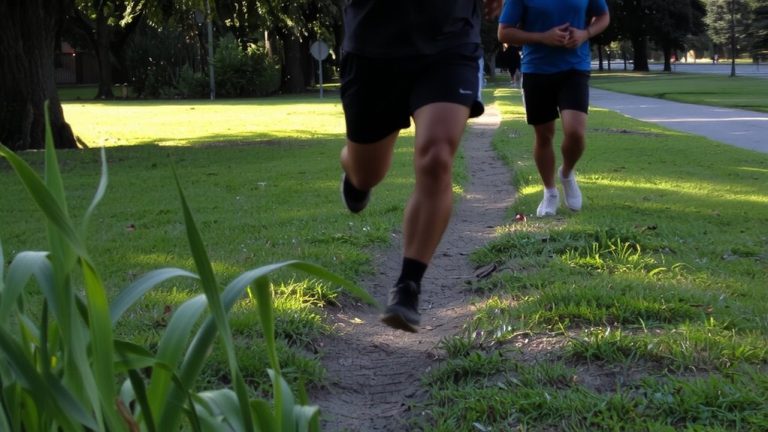
While you’re pushing your limits, well-structured intervals at 90–100% of your VO2 max pace-roughly your 5K race speed-train your body to hold efficient running form even as fatigue builds, sharpening neuromuscular coordination when it matters most. Short bursts of 20–60 seconds at 5K effort let you focus on cadence, foot strike, and posture while oxygen demand peaks. Interval runs like 1,000-meter repeats reinforce ideal stride mechanics under high-intensity stress. Use a 1:1 work-to-rest ratio to maintain quality form across reps.
| Workout Type | Key Benefit |
|---|---|
| 30-sec strides | Improves fast-twitch recruitment |
| 2-min VO2 intervals | Enhances neuromuscular coordination |
| 1K repeats | Strengthens running form at VO2 pace |
| 1:1 work-to-rest | Supports consistent 5K effort |
Warm Up to Activate Key Running Muscles
You just crushed those 1K repeats at 5K pace, but before you lace up for that kind of high-intensity session, your muscles need a proper wake-up call. Start your warm-up with 8–15 minutes of easy jogging to gradually elevate heart rate and prep your cardiovascular system for VO2 max efforts. Follow with dynamic stretches-high knees, butt kicks, walking lunges-to activate key running muscles like glutes, hamstrings, and hip flexors. These movements boost muscle temperature, improving oxygen delivery and running economy. Tack on 2–3 reps of 20-second strides to fire up fast-twitch fibers and sharpen neuromuscular coordination. A solid warm-up isn’t just routine-it prevents premature fatigue and protects running form when you hit 90–100% max heart rate. Skip it, and you risk poor mechanics, inefficiency, and burnout before the real work even begins.
Hit 85–90% Effort to Lock In Good Form
One solid rule of thumb: keep your effort between 85 and 90% of max heart rate during intervals, and you’ll hit the sweet spot where fitness gains meet sustainable form. This 85–90% effort aligns with VO2 max intensity-roughly your 5K race pace-where interval training boosts aerobic capacity without wrecking running mechanics. At this pace, your perceived exertion (RPE) should feel “hard but controlled,” around 7–8 on a scale of 10. You’re pushing enough to challenge your system, but still able to engage your core, maintain a 180-step cadence, and land with a midfoot strike. Staying just below max effort delays lactate burn, so you can focus on clean running form throughout each rep. Over 6–8 weeks, consistent work here improves running economy by 5–7%, thanks to better neuromuscular control under real aerobic stress.
Recover Actively to Reinforce Posture and Rhythm
Since high-intensity intervals challenge your form, actively recovering helps you reset with purpose, not just rest. During the recovery period, keep an upright posture with a slight forward lean to maintain proper running form after VO2 max efforts. An active recovery-like a float at 50–60% of your interval pace-boosts blood flow and keeps your rhythm steady. Aim for 170–180 steps per minute to carry ideal cadence into the next burst. Engage your core throughout to stabilize your torso and reduce rotation, improving efficiency. Limit recovery to 50–70% of the work interval length-about 2–3 minutes after a 4-minute VO2 max effort-to stay challenged without sacrificing form. In Interval Running, this isn’t downtime; it’s prime time to reinforce posture and rhythm under fatigue.
Progress Slowly to Hold Form When Tired
Building on the habit of using recovery periods to reset posture and rhythm, the next step is making sure those gains stick when fatigue starts to pile up. Start with short periods of 3 x 3-minute running efforts at 90–100% max heart rate to safely practice form under pressure. Keep a steady pace during each interval, focusing on chest up, quick cadence, and relaxed shoulders-especially in the last 30 seconds when tired. Use recovery periods equal to work time (1:1) so your heart rate drops enough to repeat with control. Add just one more 3-minute repeat every 7–10 days-no more than 10% weekly increase-to build endurance without breaking form. Stick to one VO2 Max session per week with 48 hours recovery to avoid overload. Progress slowly, and your body will hold strong, efficient mechanics even when taxed.
On a final note
You’ll run stronger when you train form at VO2 max pace, around 85–90% effort, using 3- to 5-minute intervals, with 2-minute jog recoveries, in shoes like the Brooks Hyperion Tempo or Nike ZoomX Tempo NEXT%, which provide responsive cushioning, 8–10mm drop, and a stable ride, as tested on treadmills and pavement by runners averaging 7:30/mile pace-consistency builds muscle memory, reduces braking forces, and prevents overstriding, even when fatigued.