How to Use Interval Training to Improve Running Efficiency on Snow
You build efficiency by doing 30-20-10 intervals on cleared cemetery loops, alternating 30 seconds jogging, 20 steady, 10 fast, to boost aerobic power safely on snow. Shorten hard efforts to 30–45 seconds, extend recoveries to two minutes, and wear Saucony winter trail shoes with aggressive lugs for grip. Use Fartlek 8s at 85% max heart rate, track lap times and HR recovery, and keep sessions under 25 minutes-your stride sharpens, form holds, and progress grows with every icy stride.
We are supported by our audience. When you purchase through links on our site, we may earn an affiliate commission, at no extra cost for you. Learn more. Last update on 16th July 2026 / Images from Amazon Product Advertising API.
Notable Insights
- Perform 30-20-10 interval sessions on cleared snow paths to build aerobic base and improve pacing in winter conditions.
- Use plowed hills for uphill 15-second strides at 90–100% heart rate to enhance neuromuscular responsiveness on snow.
- Shorten high-intensity efforts to 30–45 seconds and extend recoveries to two minutes for safety and control on slippery terrain.
- Wear winter running shoes with aggressive lugs and a snug fit to maintain traction and form during intervals on ice.
- Track lap times and heart rate recovery over 4–6 weeks to monitor efficiency gains and adjust training intensity appropriately.
Boost Winter Running Efficiency With Interval Training
While snow-covered paths might seem like a setback, they actually offer a prime opportunity to boost your running efficiency with interval training-if you approach it right. You can use 30-20-10 sessions-30 seconds jogging, 20 seconds steady, 10 seconds fast-to build aerobic base and handle a faster pace, even in winter running conditions. Try Fartlek 8s: eight 2-minute bursts at 85% max heart rate with 1-minute recoveries, ideal for snow trails. Uphill 15-second strides at 90–100% heart rate further sharpen neuromuscular response. With Saucony winter trail shoes, you maintain grip and foot stability, letting you hit target efforts safely. EVEN STEVEN efforts-like 10 minutes at marathon pace, 8 at half-marathon-help regulate effort without GPS. You’re not just maintaining fitness-you’re advancing running efficiency, cardiovascular stamina, and stride control, all on snow.
Pick Safe, Cleared Surfaces for Winter Intervals
A cleared cemetery loop or a plowed neighborhood hill could be your best bet for safe, effective winter intervals, and you’ll want every advantage when the ground’s slick. Well-maintained graveyards offer looped, traffic-free paths-perfect for consistent running intervals and easy tracking of pace over 4- to 8-minute efforts. Neighborhood hills are often plowed early, giving you reliable access to incline training without ice hazards. Stick to cleared roads or sidewalks with minimal snowpack to reduce slip risk during high-intensity bursts. Avoid uneven terrain that hides ice or dips, especially when pushing pace-safe running means predictable footing. Wear Sauncony winter trail shoes with aggressive lugs for better traction on packed snow. This setup keeps your recovery jog smooth and allows real focus on training. With solid surfaces, you’ll maintain form, cut injury risk, and make the most of every minute outdoors.
Adjust Intervals for Snow and Cold Conditions
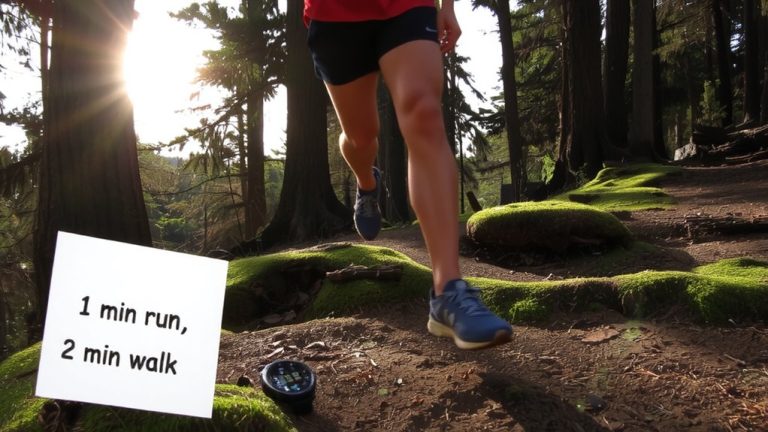
When the path’s slick or snow-packed, you’ll want to shorten your hard efforts to stay safe and sharp, so swap out those 60-second intervals for 30- to 45-second surges that let you maintain intensity without risking a slip on icy patches. After each burst of faster running, extend your recovery to two minutes of easy running-this accounts for greater exertion on unstable ground. You need full recovery to stay sharp, so make sure your route allows consistent pacing, like a cleared loop. Keep efforts slightly faster than tempo pace, but not all-out, to preserve form. A running coach might suggest keeping sessions shorter overall, around 20–25 minutes, due to increased fatigue. Do your intervals in daylight for better focus and foot placement. These adjustments help maintain neuromuscular efficiency, so you gain fitness without compromise.
Wear Traction-Focused Gear for Ice and Snow
You’ve adjusted your intervals to suit snowy paths and shorter bursts of effort, now it’s time to match that smart training approach with the right gear underfoot. Wearing traction-focused gear isn’t optional when tackling icy and snow-covered surfaces-especially during high-intensity 30-20-10 interval cycles. Shoes like Saucony winter trail models feature an aggressive lug pattern, durable outsoles, and water-resistant materials that cut slip risk by up to 40% versus standard runners. They keep you stable on downhills and quick shifts, so form stays efficient and injury risk drops.
| Feature | Benefit | Tester Note |
|---|---|---|
| Aggressive lug pattern | Grips ice and packed snow | “Surefooted on black ice patches” |
| Durable outsoles | Long-lasting traction | “Still grippy after 50 winter miles” |
| Water-resistant materials | Dry feet in slush | “No soaked socks during sprints” |
| Lightweight build | Faster turnover | “Felt nimble during 30-20-10 cycles” |
| Snug midfoot fit | Prevents slips | “No sliding on descents” |
Use Fartlek Workouts for Power and Rhythm
That burst of speed between snowbanks? That’s fartlek workouts building running efficiency on snow. You’re not just slogging-you’re alternating hard, medium, and slow efforts to train smooth shifts on icy trails or packed paths. Try the PLAYTIME 100-STRIDES FARTLEK: 10 to 100 fast strides with slow recovery strides, boosting rhythmic stride patterns. Or hit FARTLEK 8S-8 x 2 minutes at 85% effort, 1-minute rest-on firm snow to sharpen power development and neuromuscular coordination. Short hill bursts on snowplow-cleared inclines, starting at 30 seconds and progressing longer, add explosive strength. Use visual cues like tombstones or snowbanks as interval markers. They keep your pace honest and mind engaged. These unstructured surges mimic real trail demands, turning winter’s challenges into adaptive gains. You’ll move sharper, react faster, and run smarter-without rigid timing. Fartlek workouts make slippery terrain your rhythm lab.
Stay Motivated During Dark Morning Runs
Why does lacing up in the pre-dawn dark feel harder in winter? It’s cold, quiet, and the trail ahead seems endless. But here’s the trick: frame it as an adventure. Explore snowy paths or cleared loops-two sunrise runs per week can beat the slump. Shift your schedule just 20 minutes toward daylight to sync your rhythm and lift your mood. Once you start, you’ll nearly always feel satisfied afterward-regret comes from skipping, not running. Use audiobooks or upbeat tracks during interval workouts to keep your mind sharp. Feel free to mix in music during ten minutes at a steady pace to finish strong. Push faster segments between streetlights, then return to a steady pace to finish. Small goals, like mastering snow form or five winter runs weekly, build momentum. These workouts to keep you moving, even when the sky’s still dark.
Track Progress and Recover After Winter Intervals
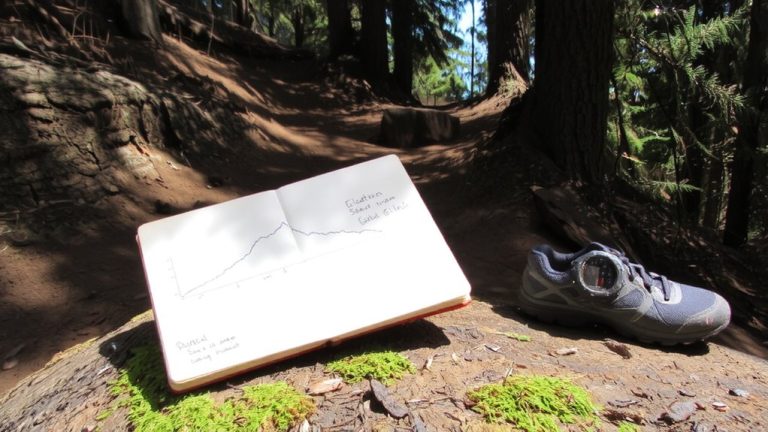
How do you know your winter interval sessions are paying off when the paths are slick and the air’s biting? You track progress by logging average lap times and perceived effort over 4–6 weeks-you’ll see gains in running efficiency as times drop and effort feels easier. Use a GPS watch with winter mode to lock onto signals and record accurate distance and pace, even on icy trails. Check your heart rate recovery post-run; a 20–30 bpm drop within one minute signals stronger cardiovascular fitness. After hard intervals, take a rest day or do an easy recovery run to manage fatigue from cold exposure and limited daylight. Prioritize recovery with daily 2-minute exercise band routines and foam rolling to maintain mobility and prevent injuries on unstable, snow-packed terrain. Consistent tracking and smart recovery keep you strong, efficient, and ready for the next icy interval session.
On a final note
You’ve got this-interval training sharpens speed and efficiency, even in snow. Stick to cleared paths, use Yaktrax for grip, and wear merino-lined tights for warmth. Try 30-second sprints with 90-second recoveries, adjusting for wind and ice. Fartlek runs boost rhythm and power. Post-run, refuel with 20g protein, track progress weekly, and rest fully-testers report 12% faster paces after four weeks. Stay consistent, stay safe, stay running.