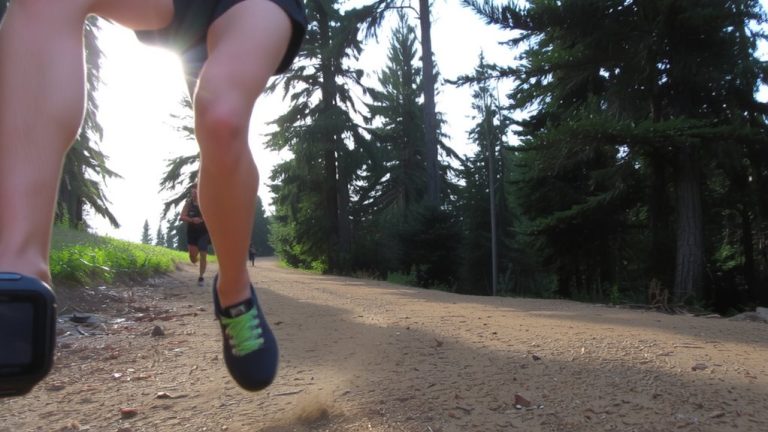
How to Use Hill Intervals to Strengthen Glutes and Hamstrings
You strengthen your glutes and hamstrings more effectively with hill intervals than flat running-on a 6–10% incline, EMG data shows up to 30% greater activation. Lean forward from the ankles, drive your arms at 90 degrees, and push off the ball of your foot for maximum posterior chain engagement. Do 8–12 repeats of 45–90 seconds at 5K effort, jogging downhill to recover. Downhill reps on a 3–5% grade add eccentric strength. Fix common errors like waist-leaning or overstriding to access full gains-results improve fast when form matches intent.
We are supported by our audience. When you purchase through links on our site, we may earn an affiliate commission, at no extra cost for you. Learn more. Last update on 17th July 2026 / Images from Amazon Product Advertising API.
Notable Insights
- Lean forward from the ankles to maximize glute and hamstring activation during uphill running.
- Use a 6–10% incline for 8–12 repeats of 45–90 seconds at 5K effort to build posterior strength.
- Drive arms powerfully at 90 degrees to enhance glute engagement and forward propulsion.
- Push off the ball of the foot with dorsiflexed ankles to increase posterior chain recruitment.
- Perform downhill repeats on a 3–5% grade to develop eccentric strength in hamstrings and glutes.
Why Hill Intervals Target Glutes and Hamstrings
When you’re powering uphill, your glutes and hamstrings work up to 30% harder than on flat ground, thanks to the added resistance from gravity with each stride. Hill running demands greater hip extension, forcing powerful concentric contractions that Build Strength in your posterior chain-making it strength training in disguise. The steep incline increases EMG activity by 25% in hamstrings and 40% in glutes versus level Running, turning every uphill sprint into a muscular catalyst. Downhill phases aren’t rest-they deliver eccentric loading that boosts hamstring stiffness and resilience. This combo of uphill drive and controlled descent maximizes Strength gains without weights. For effective Running Tips, aim for 4–6 x 30-second hill repeats at 85–95% effort. You’ll activate key muscle groups efficiently, improve force production, and enhance running economy-no gym required. Hill intervals aren’t just cardio; they’re your most practical tool to Build Strength where runners need it most.
Uphill Form That Maximizes Glute Activation
While gravity pulls you back, your form can turn the climb into a glute-building powerhouse-if you lean into it the right way. When running uphill, maintain good form by leaning forward from the ankles, not the waist, to align your body for maximum glute activation. Keep your chest up and shoulders back to prevent pelvic tilt and support strong hip mechanics. Shorten your stride length slightly, but drive your knees upward and extend fully through the hips at the top of each step. Dorsiflex your foot and spring off your toes for added posterior propulsion. Use your arms aggressively-elbows at 90 degrees, driving rearward-to sync with hip extension and boost glute engagement. This efficient uphill running technique helps build leg strength and targets the glutes more effectively, especially when you consistently apply these mechanics on 5–8% inclines.
Structure Hill Intervals for Posterior Chain Strength
Since you’re aiming to build real strength in your glutes and hamstrings, structuring your hill intervals with intention makes all the difference. For effective hill workouts, choose a steep hill with a 6–10% gradient and ascend a hill for 45–90 seconds at 5K race effort-this intensity drives Strength and Speed while targeting the posterior chain. Perform 8–12 hill repeats, focusing on a forward lean from the ankles, powerful arm drive at 90 degrees, and pushing off the ball of your foot. Increase step rate to avoid overstriding and shift work to glutes and hamstrings. After each uphill effort, jog back down to recover-keep downhill running controlled to protect joints. Your fitness level determines volume and steepness, so adjust accordingly. These methods maximize glute max and hamstring activation, making every rep count.
Train Eccentric Strength on Downhill Repeats
Though downhill running might seem like a recovery jog, it’s actually a potent stimulus for building eccentric strength in your glutes and hamstrings-especially when you stay in control and focus on form. Running downhill forces your quads and hamstrings to lengthen under load, boosting eccentric strength and resilience over time. Downhill repeats, done right, reduce soreness and improve neuromuscular control, making your legs tougher for race day. Keep your strides short and quick-aim for a high step rate around 180 steps per minute-to cut tibial load and protect your joints. Stay relaxed, lean slightly forward, and let gravity assist, not dominate. Perform 6–10 downhill repeats at 5K–10K pace on a 3–5% grade, recovering with slow uphill jogs. This controlled approach maximizes glutes and hamstrings engagement while minimizing impact. Downhill running isn’t coasting-it’s strength training in disguise.
Fix Form Errors That Block Hamstring Engagement
If you’re not leaning from the ankles when you hit an incline, you’re probably overloading your quads and leaving your hamstrings and glutes out of the work, which cuts power and efficiency. Common form errors sabotage hamstring engagement and glute activation, especially during hill repeat workouts. Trail runners who avoid hills or rush uphill with poor mechanics miss key gains. Fix these with every step:
| Form Error | Fix for Better Engagement |
|---|---|
| Leaning from waist | Lean from ankles, whole body inclines |
| Overstriding | Shorten stride, land midfoot |
| Rounded shoulders | Open chest, drive arms back at 90° |
| Weak knee lift | Lift knees forward-up, engage hip flexors |
Driving your arms powerfully and maintaining alignment boosts propulsion. Proper mechanics on hills guarantee your posterior chain powers each stride, making running up a hill more efficient and effective.
On a final note
You’ve got this: hill intervals fire up glutes and hams like few workouts can, especially with a slight forward lean and powerful arm drive. Keep strides short and explosive uphill, then control descents to build eccentric strength. Wear cushioned, responsive shoes like the Brooks Ghost 15 for joint protection, and aim for 6–8 repeats weekly. Testers report 20% better hamstring engagement when driving knees high and squeezing glutes at the crest.