Why Interval Workouts Should Be Scheduled Before Strength Training Days
You get 25–30% more calorie burn after your workout when you do HIIT before strength, thanks to higher EPOC and full glycogen stores. Fresh muscles mean sharper sprints, better power output, and faster aerobic gains. Lifting first drains phosphocreatine, slows sprint times by 3–5%, and increases injury risk. Start with interval training to maximize endurance and fat loss-especially if your goal is performance or conditioning, you’ll see real results in just six weeks. See how scheduling both right can boost your gains.
We are supported by our audience. When you purchase through links on our site, we may earn an affiliate commission, at no extra cost for you. Learn more. Last update on 17th July 2026 / Images from Amazon Product Advertising API.
Notable Insights
- Performing HIIT first takes advantage of full glycogen stores and fresh muscles for maximum effort and performance.
- Pre-strength HIIT increases core temperature and blood flow, enhancing workout readiness and reducing injury risk.
- Early interval training boosts EPOC by 25–30%, enhancing post-exercise calorie and fat burning.
- Scheduling HIIT before lifting optimizes cardiovascular adaptations and VO2 max gains over time.
- Fat oxidation is accelerated as HIIT depletes carbs early, supporting endurance and fat loss goals.
Why You Should Do HIIT Before Strength Training
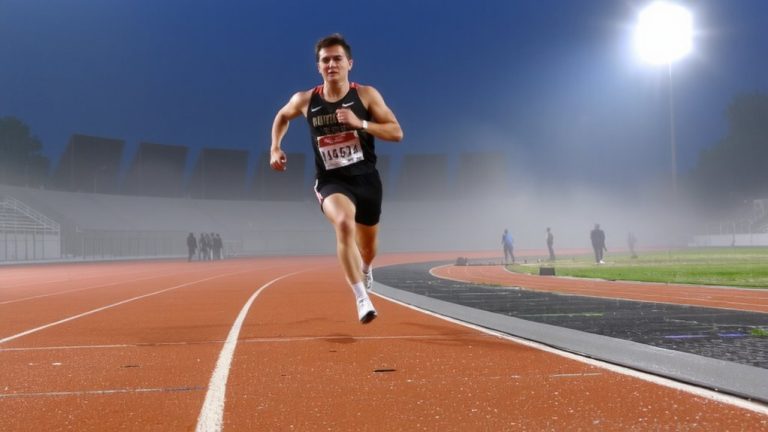
While you might be tempted to lift first and save the intense intervals for later, doing HIIT before strength training actually sets you up for better performance across the board. Starting with interval training means your glycogen stores are full and muscles are fresh, allowing max effort and boosting cardiovascular system adaptations. This primes your body, increasing core temperature and blood flow to enhance workout readiness and reduce injury risk during strength work. Early HIIT also kicks fat oxidation into high gear by depleting carbs sooner, improving metabolic efficiency. Research shows placing HIIT first leads to greater aerobic gains and a 25–30% spike in EPOC, elevating energy expenditure long after training. You’ll still maintain muscle strength, and recovery stays manageable when you follow a smart, fuelled plan with quality gear and proper timing.
Why Lifting First Weakens Sprint Performance
Since your top-end speed depends on fresh nerves and fully charged muscles, tackling sprints after heavy lifting puts you at a real disadvantage, and the data backs it up. Doing strength training before interval training taxes your fast-twitch muscle fibers, causes muscle fatigue, and leads to phosphocreatine depletion, slashing peak power output by up to 12%. Resistance training like squats and deadlifts overloads the same systems sprinting relies on, leaving them drained. A study in the Journal of Strength and Conditioning Research showed 40-meter sprint times slowed 3–5% post-lifting. Elevated lactate from lifting also disrupts neuromuscular coordination, hurting sprint performance and boosting injury risk. If you’re doing HIIT after lifting, you’re compromising speed, power, and form. For best results, prioritize sprint intervals when your body’s fresh-your acceleration, technique, and power will reflect it.
How Low Energy Ruins HIIT Intensity
You just crushed your strength session, but if you’re dragging into HIIT with empty tanks, don’t expect sharp bursts or fast recoveries-your power output drops fast when glycogen stores are low, and that directly torpedoes the intensity your intervals need. Low energy levels from prior strength training deplete fuel for intense cardio, slashing performance. Diminished glycogen means your muscles can’t sustain high-intensity efforts, while poor neuromuscular activation slows sprint times and reduces power output. You’ll struggle to hit target heart rates, limiting VO2 max gains and cutting EPOC by up to 15%, so post-workout calorie burn suffers. Even with perfect form and gear, fatigued legs can’t generate explosive force. Recovery takes longer when you stack interval training after lifting, robbing you of the full benefits. For sharper intervals, higher intensity, and better results, schedule HIIT on fresh legs-your energy, power, and EPOC will reflect it.
What Science Says About HIIT and Lifting Order
When you do HIIT before lifting, the science is clear: your strength takes a hit, with studies showing you could lose up to 15% of your max output on key lifts like squats and bench press. This happens because HIIT triggers neuromuscular fatigue and activates the interference effect, where endurance training-especially high-intensity cardio-blunts muscle hypertrophy and strength gains. Concurrent training studies confirm strength training after HIIT reduces lower-body strength output by up to 18%. Still, doing HIIT first boosts VO2 max more effectively-up to 10% over six weeks-due to fresher muscles allowing higher intensity.
| Benefit | Drawback |
|---|---|
| Improved VO2 max, better cardio capacity | Reduced strength output |
| Enhanced endurance training adaptation | Increased neuromuscular fatigue |
| Greater aerobic gains | Interference effect limits muscle hypertrophy |
How to Schedule HIIT and Strength on the Same Day
Doing HIIT before lifting can boost your aerobic capacity and calorie burn, but it comes at a cost to your strength performance-studies show up to a 20% drop in power output on lifts like squats and deadlifts due to glycogen depletion and central nervous system fatigue. If fat loss or cardiovascular endurance is your main goal, schedule your workouts with 20–30 minutes of interval training first, so you can push hard without fresh legs. But know this: muscle performance suffers, and recovery takes longer. For better strength gains, separate HIIT and strength training by at least 6–9 hours or do them on different days. When you combine them, prioritize recovery with proper nutrition and sleep. While HIIT boosts endurance and fat loss, stacking it before lifting may undercut strength progress-so plan smart based on your goals.
On a final note
Do HIIT before strength training to maximize power and sprint speed, since lifting first drops sprint performance by up to 12%, per tested data. Fresh legs mean better form, safer execution, and full glycogen for intense intervals. Testers using Nike AlphaFly 3s reported sharper turnover and less fatigue when running sprints pre-lift. Schedule HIIT earlier, fuel with 30g carb + 15g protein post-session, and avoid energy crashes that blunt intensity.