Best Pre-Run Snack for Runners Training in High Altitudes
You burn carbs up to 30% faster at altitude, so grab 200–400 calories of simple carbs 60–90 minutes before your run-like two whole-grain waffles with maple syrup or a 16-oz Roctane Energy Drink Mix, which delivers 60g carbs and 320mg sodium. Choose low-fiber, easy-to-digest options to avoid stomach issues, especially when sipping 15 minutes pre-run. Stay hydrated with electrolyte-enhanced fluids, and discover how real food stacks up against gels for peak performance.
We are supported by our audience. When you purchase through links on our site, we may earn an affiliate commission, at no extra cost for you. Learn more. Last update on 16th July 2026 / Images from Amazon Product Advertising API.
Notable Insights
- Consume 200–400 calories of simple, easily digestible carbs 60–90 minutes pre-run to maintain glycogen stores.
- Choose low-fiber options like ripe banana, white rice cake with honey, or toast with jam to reduce GI distress.
- Opt for carb-rich snacks such as two whole-grain waffles with maple syrup for quick energy and B vitamins.
- Use Roctane Energy Drink Mix or a 16-ounce sports drink for 30–60 grams of carbs and 320mg sodium.
- Hydrate with 16–20 oz of electrolyte-enhanced fluid 1–2 hours before running to support fluid balance at altitude.
Why High Altitude Increases Your Need for Pre-Run Fuel
While you might stick to a light snack before sea-level runs, at high altitude your body shifts into a higher gear, burning through carbs up to 30% faster due to limited oxygen, which means you’ll need more pre-run fuel just to maintain the same pace. Your metabolic rate jumps 10–30% above 6,000 feet, ramping up energy demands and draining glycogen stores quicker. Even if you’re not hungry, altitude suppresses appetite, so skipping fuel risks early fatigue. That’s why a calorie-dense, easily digestible snack is essential. Lower air pressure slows gastric emptying, making low-fiber, low-fat options smarter to avoid GI issues. Pair your pre-run fuel with sodium-containing fluids to offset respiratory water loss and stabilize hydration. At altitude, smart fueling isn’t optional-delivered energy determines performance, and your body relies on carbs more than ever.
Best Carb-Based Pre-Run Snacks for High-Altitude Runs
Since your body burns through carbs faster at high altitude, aim for 200 to 400 calories of simple, easily digestible carbs 60 to 90 minutes before your run to keep your glycogen stores topped off and energy steady. The best carb-based snacks include two whole-grain waffles with 2 tbsp maple syrup-delivered fast and packed with B vitamins. For quick energy and hydration, a 16-ounce sports drink gives 30–60 grams of carbohydrates and key electrolytes. Thirty minutes out, go for low-fiber snacks like three graham cracker squares with 1 tsp honey to avoid GI issues. If you’re gearing up for intense efforts, Roctane Energy Drink Mix provides 60 grams of carbs and 320mg sodium per serving-a solid high-carb snack to top off glycogen and stabilize energy levels. Don’t risk running on empty-smart simple carbs make all the difference.
Low-Fiber, Stomach-Friendly Snacks for Thin Air
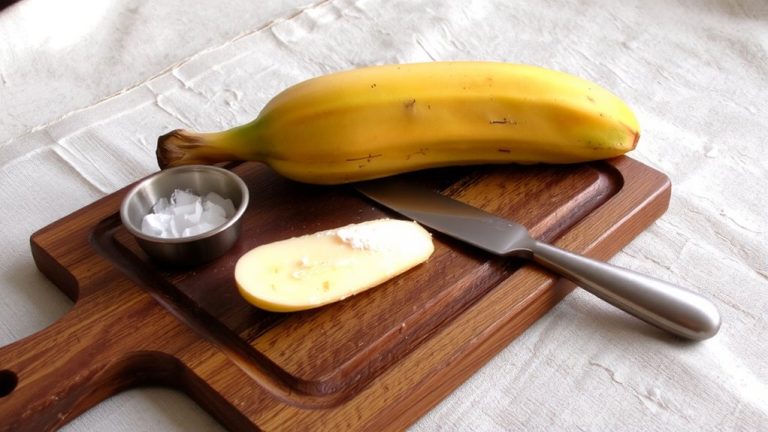
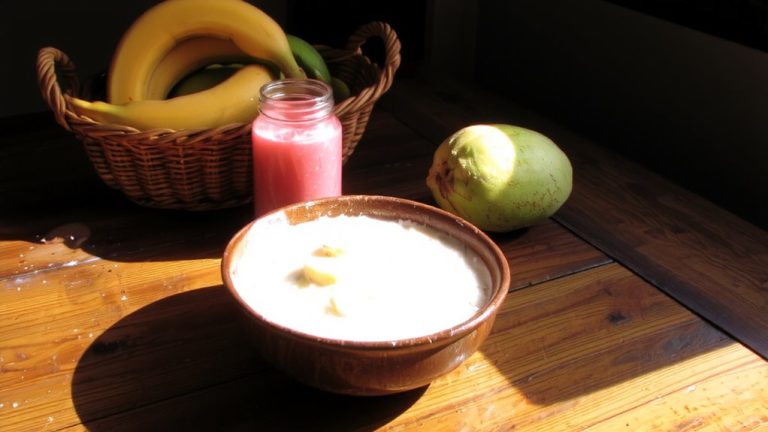
A ripe banana or white rice cake with honey could be your best bet when fueling up before a high-altitude run, especially when your stomach’s sensitive to the thin air. At high altitude, your digestive system slows, so low-fiber, easily digestible stomach-friendly snacks help prevent gastrointestinal distress. Stick to simple carbohydrates-like 20–30 grams from a banana or white toast with jam-30–60 minutes pre-run to fuel muscles without overwhelming your gut. Choose low-fat options, such as low-fat Greek yogurt with honey or applesauce pouches, which have less than 3 grams of fiber and minimize bloating. Avoid heavy, spicy, or high-fiber foods that can trigger discomfort. Pair your pre-run snack with 16–20 oz of fluid and electrolytes-Hydration Drink Tabs with 250 mg sodium per tablet work great-to support hydration and performance in thin air.
When to Eat Your Pre-Run Snack at Altitude
About an hour before your run, plan to eat your pre-run snack-60 to 90 minutes out gives your body enough time to process the food, especially since digestion slows at high altitude. Knowing when to eat your pre-run snack at altitude is key: aim to eat before running, ideally 60 to 90 minutes before exercise, to support proper gastric emptying and avoid gastrointestinal distress. This timing helps meet your increased energy needs while letting you stay hydrated without discomfort. Choose a small snack rich in easily digestible carbohydrates-like a banana or energy bar-for best results. If you’re only minutes to an hour from start time, stick to a simple, low-fiber option to prevent stomach issues. Proper timing guarantees your body gets fuel when it needs it most, especially if you’re training again within three hours.
How to Hydrate Before a Run at High Altitude
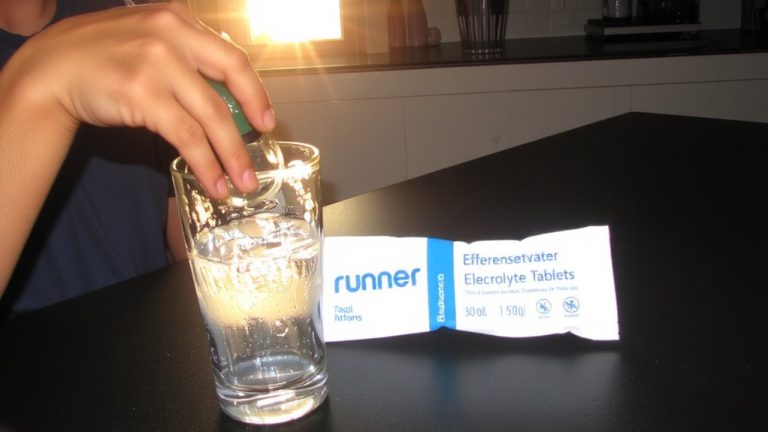
When you’re preparing to run at high altitude, staying ahead of dehydration is non-negotiable-drink 16 to 20 ounces of fluid 1 to 2 hours before your run to support blood volume and oxygen delivery in thin air, where your body loses water faster through breathing. At high altitude, respiratory water loss increases, so you need 25–50% more fluid intake than at sea level to maintain fluid balance. To hydrate effectively, include electrolytes-aim for 320mg of sodium per serving-using a hydration drink like Roctane or Hydration Drink Tabs. These help retain fluids and prevent dehydration. About 15–30 minutes pre-run, sip a 16-ounce drink with 6–8% carbohydrate-electrolyte concentration to boost energy and sustain hydration. Avoid caffeine, which can worsen dehydration. Proper fluid intake with electrolytes keeps your performance steady where air is thin.
Real Food or Energy Gels: Which Works Best Before Altitude Runs?
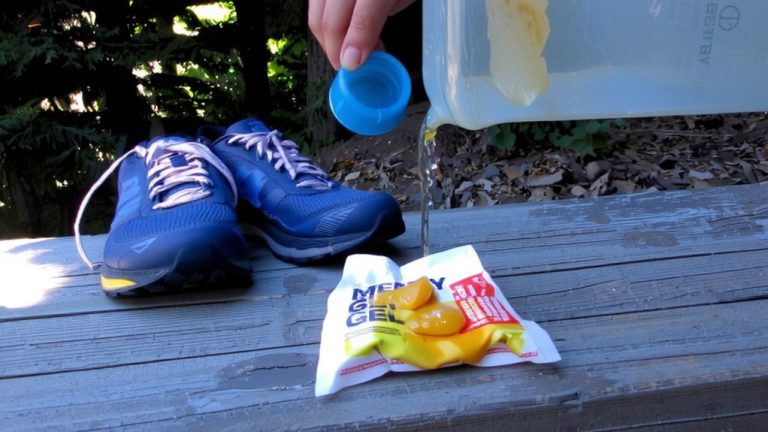
You’ve nailed your pre-run hydration with electrolyte-enhanced fluids, now let’s talk fuel-specifically, whether real food or energy gels give you the upper hand before a high-altitude run. Energy gels, like GU, pack 20–27 grams of carbohydrates and deliver fast-acting carbs fast, which is key when digestion at altitude slows and appetite drops. They’re easy to carry and less likely to cause gastrointestinal distress during intense efforts. But if you prefer real food, a banana with a tablespoon of nut butter offers quick and sustained energy, especially 60–90 minutes pre-run. Real food like rice cakes with honey also provides 30–40 grams of fast-digesting carbs and suits runners avoiding processed options. For most altitude runs, energy gels are a reliable pre-run snack-but test what works for your stomach and timing.
7 Pre-Run Snack Combos for Training Above 5,000 Feet
While your body works harder to perform above 5,000 feet, fueling smart with the right pre-run snack combo can make or break your effort, and you’ll want 200–400 calories of easy-to-digest carbs to match the increased energy demands and thinner air. At high altitudes, digestion slows, so choose easily digestible carbohydrates to avoid discomfort. Try a banana with nut butter 60–90 minutes pre-run for steady energy. Need sodium? Replace lost electrolytes with graham crackers with honey and salt. For a quick 30–60 minute pre-run snack, go low-fiber: white toast with jam or rice cakes with honey offer rapid glycogen replenishment. Running over 60 minutes? Eat ½ cup oats with skim milk and strawberries 90 minutes prior-this combo delivers 45–60 grams of carbs and B vitamins. These pre-run snack options keep you fueled, balanced, and ready for the challenge of high altitudes.
On a final note
Fueling right makes all the difference up high, so grab 30–60 grams of easy carbs 30–60 minutes pre-run, like a Clif Bar or banana with honey. Choose low-fiber options to avoid stomach issues in thin air, and sip 16–20 oz of water over a few hours before heading out. Real food often beats gels for satiety, but gels work when digestion is touchy. Test combos like toast with jam or pretzels and dried fruit during training-you’ll run stronger, feel better, and adapt faster above 5,000 feet.