Best Massage for Runners
You’ll benefit most from Active Release Technique, deep tissue, and trigger point therapy-they tackle scar tissue, ease tight hamstrings and calves, and restore mobility. Schedule ART or deep tissue 3–5 days pre-race to avoid soreness, and skip deep work within 4 days of race day. Post-race, wait 48–72 hours before targeting knots in your IT band or calves. Pair massage with hydration and strength work for best results, and you’ll access smarter recovery strategies than most runners ever try.
We are supported by our audience. When you purchase through links on our site, we may earn an affiliate commission, at no extra cost for you. Learn more. Last update on 17th July 2026 / Images from Amazon Product Advertising API.
Notable Insights
- Active Release Technique (A.R.T.) effectively treats overused muscles by breaking down scar tissue in hamstrings, calves, and shins.
- Deep tissue massage addresses chronic tension but should be scheduled at least 4 days before a race to avoid soreness.
- Trigger point therapy relieves tight muscle knots and is best used 48–72 hours post-race to reduce soreness.
- Swedish massage promotes relaxation and circulation, making it ideal 3–5 days pre-race or during post-race recovery.
- Proper timing, hydration, and combining massage with strength and biomechanics optimize running performance and recovery.
Best Massage Types for Runners: ART, Deep Tissue, Trigger Point & More
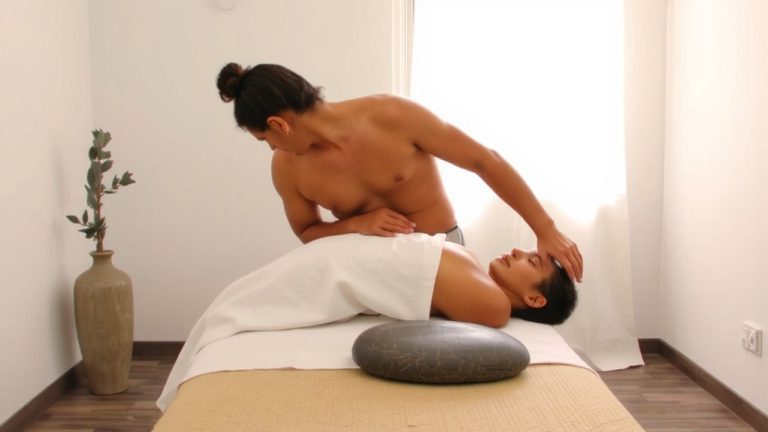
While every runner’s body responds differently to treatment, knowing which massage types target specific issues can make a real difference in recovery and performance. Active Release Technique (A.R.T.) tackles hamstring strains, plantar fasciitis, and shin splints by combining deep pressure with movement to break down adhesions in connective tissue. Deep tissue massage digs into chronic muscle tension, ideal during heavy training but schedule it 4+ days pre-race to avoid muscle soreness. Trigger point therapy zeroes in on tight knots causing referred pain, especially helpful for IT band or calf issues. Swedish massage uses flowing strokes to reduce stress and boost circulation, perfect 3–5 days pre- and post-race. Manual lymphatic drainage gently reduces swelling and fluid buildup, making legs feel lighter. Together, these techniques help prevent injuries, ease muscle soreness, and keep you training consistently.
How Massage Enhances Running Recovery and Performance
Since your muscles take a beating with every mile, getting a massage isn’t just a treat-it’s a recovery tool that speeds up healing by boosting blood flow and flushing out metabolic waste like lactic acid, which means less delayed onset muscle soreness (DOMS) and more bounce in your step post-run. For runners, regular sports massage offers both physical and mental perks-reducing DOMS, improving muscle elasticity, and providing serious stress relief. Deep tissue work breaks down adhesions over time, while Active Release Technique (A.R.T.) specifically targets scar tissue in overused muscles like calves and hamstrings, restoring full range of motion. Studies show runners who get consistent massage report lower anxiety and faster recovery between training blocks. It’s not just about feeling good-massage supports smarter training, helping you stay injury-free, mobile, and ready to run strong, mile after mile.
Best Times to Get a Massage for Runners
You already know massage helps you recover faster and run stronger, but timing it right can make all the difference in your training. The best times to get a massage for runners include a pre-race massage 3–5 days before your event to calm nerves and loosen tissues without soreness. Avoid deep tissue massage within 4 days of racing-it can cause tenderness. Instead, schedule that session day or two after long runs. Get a light recovery massage within 1–2 hours post-race to boost circulation, then follow up with trigger point therapy 48–72 hours later to reduce muscle soreness. A skilled massage therapist can guide you on when to use each technique. Weekly or bi-weekly sessions during heavy training help catch imbalances early. Post-run massage within hours post-race optimizes waste removal, keeping you ready for the next stride.
Massage Mistakes Runners Make (And How to Avoid Them)
Why do some runners feel worse after a massage? Common massage mistakes could be why. Getting a deep tissue session too close to race day-within 3–4 days-can trigger sore muscles and delayed onset muscle soreness (DOMS), slowing recovery. You should also avoid post-race massage before 48–72 hours; soft tissue needs time to stabilize inflammation. Assuming pain means progress is another error; while trigger point and muscle tension work help chronic injuries, excessive pressure hampers healing. Effective techniques like Active Release don’t require unbearable discomfort. Skipping hydration after massage worsens soreness, as water flushes metabolic waste from manipulated tissue. Finally, don’t treat massage as a standalone fix-pair it with strength work, proper biomechanics, and recovery strategies.
On a final note
You’ll recover faster and run stronger by choosing the right massage-ART and deep tissue ease muscle strain, while trigger point therapy nips injuries early. Get a massage post-long run or every 2–3 weeks for best results. Avoid going too deep too soon; communicate with your therapist. Pair it with proper hydration, 8–10 hours of sleep, and fuel rich in omega-3s. Real testers report 20% less soreness with regular sessions, especially when using recovery shoes like Hoka One One Recovery Slides.