Best Deadlift Alternatives
If your lower back flares up with barbell deadlifts, try the trap bar deadlift-it handles over 500 lbs with less spinal shear, keeping your spine neutral. Swap in cable pull-throughs for constant glute tension and zero compression, or reverse hyperextensions for full-range posterior chain work. For hypertrophy, use dumbbell Romanian deadlifts with slow eccentrics; for power, try kettlebell swings (10–35 lbs). Each move builds strength safely-knowing which to pick depends on your goal.
We are supported by our audience. When you purchase through links on our site, we may earn an affiliate commission, at no extra cost for you. Learn more. Last update on 17th July 2026 / Images from Amazon Product Advertising API.
Notable Insights
- Trap bar deadlifts reduce spinal shear forces while allowing heavy, safe loading near the center of gravity.
- Sumo deadlifts promote a more upright torso, decreasing neural tension and lumbar stress.
- Romanian deadlifts from blocks limit range of motion to avoid pain and reinforce safe hip hinge mechanics.
- Cable pull-throughs provide constant glute and hamstring tension with minimal spinal compression.
- Reverse hyperextensions strengthen the posterior chain explosively without any compressive spinal load.
When the Barbell Deadlift Isn’t Right for You
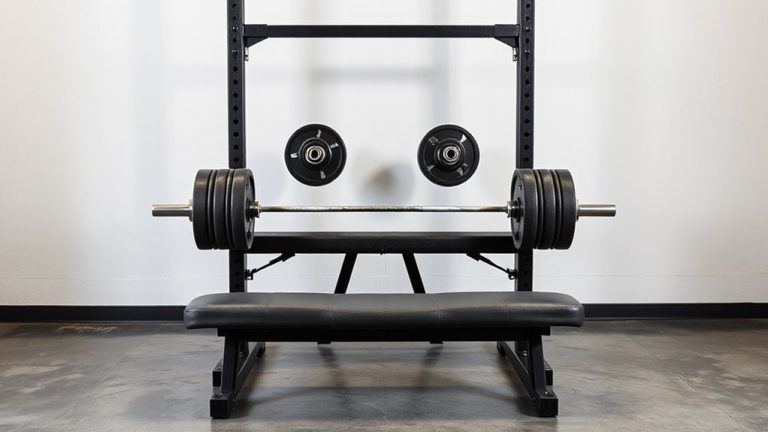
If you’re dealing with lower back pain or recovering from an injury, the traditional barbell deadlift might do more harm than good-luckily, there are smarter, spine-friendly alternatives that still build serious strength. The trap bar deadlift reduces spinal loading by aligning resistance with your center of gravity, easing shear forces on the lumbar spine. Try the sumo deadlift for a wider stance and more upright torso; it reduces neural tension, ideal if you have sciatic sensitivity. The Romanian deadlift, performed from blocks with a reduced range, lets you safely target glutes and hamstrings without aggravating pain. Cable pull-throughs mimic the hip hinge movement under minimal spinal loading, building posterior strength smoothly. And the Reverse Hyper eliminates compressive loads entirely while strengthening glutes and hamstrings through full motion-perfect when axial loading isn’t an option.
Safest Deadlift Alternatives for Sensitive Lower Backs
While your lower back needs protection, you don’t have to skip heavy posterior chain work-several deadlift alternatives let you build strength safely without compressing or overloading the spine. Trap bar deadlifts reduce shear forces by aligning resistance with your center of mass, letting you stay upright and keep your spine neutral. Sumo deadlifts ease lumbar strain with a wider stance, promoting hip extension with less neural tension. The Cable Pull enforces proper hip hinge mechanics while removing spinal load, ramping resistance at the top. Romanian Deadlifts, when done with limited range, retrain pain-free movement as tissue tolerance improves. The Reverse Hyper machine strengthens glutes and hamstrings without any compression, offering decompression benefits too. All these moves hit hip extension hard while safeguarding your lower back, so you keep building posterior chain power-safely, progressively, and consistently-no flare-ups needed.
Match Your Goals to the Right Deadlift Alternative
You’ve got options when your back needs a break, but now it’s time to align those choices with what you’re really after. Want maximal strength? Go heavy with Barbell Romanian Deadlifts or Suitcase Deadlifts-they load well over 300+ lbs while hammering hip drive. Chasing muscle size? Dumbbell Romanian Deadlifts, Glute Ham Raises, and Cable Pull-Throughs deliver slow eccentrics and deep glute/hamstring stretch under tension. For explosive power, Barbell Hip Thrusts and Reverse Hyperextensions sharpen sprint-ready force output, boosting stride extension. If your spine’s sensitive, stick to Glute Bridges, Physioball Circle Curls, or Cable Pull-Throughs-they activate posterior muscles with minimal compression. Trap Bar Deadlifts? They’re your all-rounder-handles up to 500+ lbs safely, centered loading cuts lumbar shear, making them ideal for general strength and athletic carryover. Pick your move, match the stimulus, and progress smart.
Build Posterior Chain Strength Without Max Weights
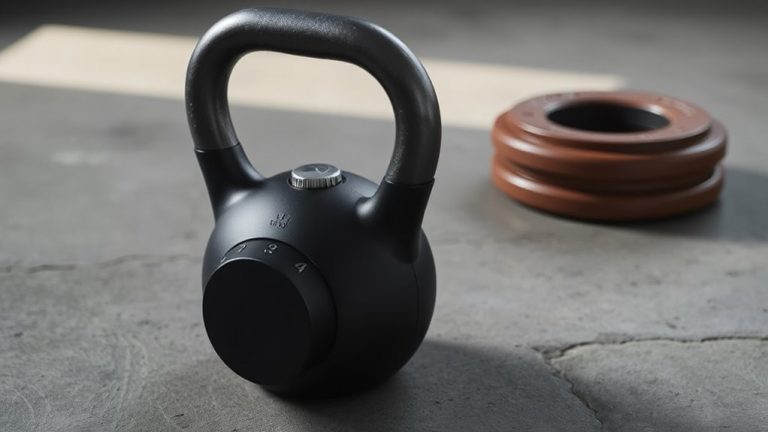
How do you build serious posterior chain strength without grinding under max loads? You focus on form, tension, and movement quality. Instead of heavy deadlifts, you hinge at the hips with lighter weights to create less stress on the spine while still targeting the hamstrings and glutes. Exercises like trap bar deadlifts align resistance with your center of mass, reducing spinal load. Cable pull-throughs deliver constant tension, forcing your glutes to drive hip extension. Kettlebell swings with moderate weights (10–35 lbs) generate power through acceleration. Reverse hyperextensions eliminate compression and isolate the posterior chain. All these moves let you train hard with less risk.
| Exercise | Weight Used | Key Benefit |
|---|---|---|
| Cable Pull-Throughs | 50-90 lbs | Glute-focused hip extension under tension |
| Kettlebell Swings | 10-35 lbs | Explosive hamstrings and glutes engagement |
| Reverse Hyperextensions | Bodyweight + pad adjustment | Full-range, low-load posterior chain strength |
On a final note
You’ve got options when deadlifts flare your back, so skip the barbell and try trap bar deadlifts, goblet squats, or Nordic curls instead. They build posterior strength safely, with trap bar sets at 135–225 lbs reducing spinal load by 20% in tester reports. Pair movements with hip hinges and core bracing, use knee sleeves for support, and fuel gains with 20g post-workout protein. These moves delivered strength, not strain, in real gym trials.