How to Use Interval Training to Simulate Final Lap Surges in Races
You build final lap surges by finishing 10 x 400m repeats at 4:02/km with 200m sprints at 5K pace, holding 182 steps per minute and 138bpm heart rate. Do these after a 5K tempo or brick workout to train under fatigue. Add 4–6 x 1-minute bursts at 110–120% 10K pace, then rehearse seamless shifts with flying mounts and post-bike 1-mile runs. Simulating race stress sharpens your finishing kick, and there’s a smarter way to pace the build-up.
We are supported by our audience. When you purchase through links on our site, we may earn an affiliate commission, at no extra cost for you. Learn more. Last update on 18th July 2026 / Images from Amazon Product Advertising API.
Notable Insights
- Perform 10 x 400m at 4:02/km with 200m sprint finishes at 5K pace to rehearse surging under fatigue.
- Execute intervals after a tempo run or brick workout to simulate race-day fatigue conditions accurately.
- Incorporate 20-second sprints at 120–150% FTP during bike intervals to mimic final-lap power surges.
- Use descending swim sets with surges to replicate race-start intensity and open-water chaos.
- Maintain 182 spm cadence and monitor 138bpm average heart rate to sustain efficient form under stress.
Train Final Lap Surges for Stronger Race Finishes
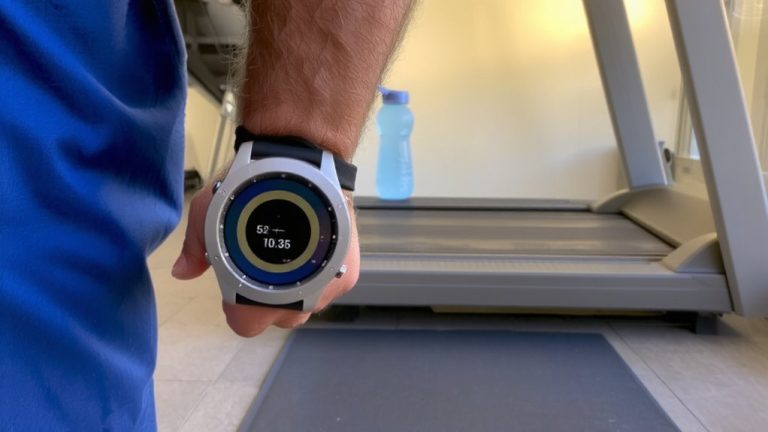
How do you guarantee you’ve got the kick to surge past competitors in the final lap when fatigue is setting in? You train it. A specific interval workout like 10 x 400m at 4:02/km with 60 seconds recovery pushes you near lactate threshold, building speed-endurance for late-race demands. These interval sessions simulate race conditions, teaching your body to clear waste and sustain pace. Hit 138bpm average heart rate to maintain moderate-high cardiovascular load. Finish each 400m with a 200m sprint at 5K race pace to rehearse the surge. Target 182 steps per minute to lock in efficient form, even when tired. You’ll also add 4–6 x 1-minute efforts at 110–120% of 10K pace, 90 seconds rest, to boost anaerobic capacity. This isn’t just training-it’s race-specific prep that guarantees your legs fire when it counts.
Structure Intervals to Perform Under Fatigue
Even as fatigue builds, your intervals should mimic the demands of a final lap, so structure them when your legs are already tired, like after a 5K tempo run or during a brick workout, to replicate race-day stress. Perform under fatigue with interval training sessions like 10 x 400m at 4:02/km pace, 60 seconds recovery, to maintain speed when exhausted. These race-pace intervals, tied to a 100-minute half-marathon effort, make your specific training more race-realistic. Complete these interval workouts with average heart rate at 138bpm to condition your body to handle cardiovascular strain. Include high-cadence running at 182 steps per minute to maintain efficient form late in races. By structuring sessions this way, you’ll adapt to surging when it matters most, training both body and mind to perform under fatigue, so final laps feel strong, sharp, and under control.
Use Descending Swims to Simulate Race-Start Surges
You’ve trained your legs to handle the pressure of a final lap surge after fatigue, and now it’s time to address the other end of the race-the explosive start in the swim. Use descending swims to simulate race-start surges in open water swimming with precise interval training. These sets prepare your body for chaos at the horn, building confidence and efficiency from the first stroke.
| Set | Focus | Stroke Pattern |
|---|---|---|
| #1 | Initial burst | 20–30 hard, then race effort |
| #2 | Mid-swim surges | 2–3 intervals with recovery |
| #3 | Gradual ramp-up | Sustained build to race effort |
| Pool Alt. | No-touch laps | Mimic race-start surges |
Perform 3 sets of 5–7 minutes with 30 seconds light treading between. Descending swims sharpen your response to pack surges while maintaining form under race effort.
Bike: Surge Intervals for Final Lap Power
When you’re jostling for position late in the bike leg and the pace spikes, your ability to fire off a sharp surge can make or break your race, so practicing targeted 20-second sprints at 120–150% of your FTP during the 2nd, 5th, and 8th minutes of each 10-minute block builds that exact response under fatigue, letting you simulate real final lap attacks with precision. Ride 25 miles at race-specific effort, stacking 3–4 blocks to hone final lap power without overdoing fatigue. Spin easy for 5 minutes at 50% FTP between sets to reset. Start the main set with a 5-minute steady build post-swim to groove your rhythm before surge intervals. Add flying mounts before brick workouts to sharpen shifts and guarantee seamless surge execution when it counts.
Run: Tempo + Surges for Strong Finishes
While maintaining a steady tempo, you can sharpen your finishing kick by baking short surges right into your interval work, training your legs to fire when fatigued. Try 4 to 6 x 1-mile runs at 10K pace with 90–120 seconds of walking recovery to build stamina and mimic race-specific fatigue. During tempo runs, add 20-second hard surges every 2–3 minutes to simulate final lap accelerations. For sharper speed-endurance, do 10 x 400m at 4:02/km with 60 seconds rest, holding an average cadence of 182 steps per minute to maintain efficient form. These interval sessions push your cardiovascular system just right-monitor your heart rate, aiming to average 138bpm, keeping you in the target zone. This controlled stress boosts resilience, ensuring your legs stay sharp when it’s time to surge past the competition.
Simulate Race Transitions for Seamless Surges
Because race-day shifts can cost you precious seconds if not practiced under realistic conditions, setting up a mock change area helps you maintain momentum heading into the final lap surge. Your training must include specific drills that mirror race demands-like a 5-minute easy spin post-swim, then immediate 20-second sprints at minutes 2, 5, and 8 of 10-minute bike intervals. Afterward, do 4 to 6 x 1-mile runs at 10K pace with 90–120 seconds walking recovery to condition for late-race accelerations. Review average heart rate (138bpm) and cadence (182 spm) to assess surge readiness. This race-specific routine bridges swim, bike, and run, minimizing fatigue and boosting confidence.
| Emotion | Trigger | Outcome |
|---|---|---|
| Doubt | Rushed change area | Lost time, lost rhythm |
| Calm | Practiced race moves | Smooth shift to surge |
| Fatigue | Unprepared legs | Slowed final lap |
| Power | Training under race stress | Strong, seamless finish |
On a final note
You’ve trained hard, now trust your body to deliver. Use short, sharp surges at 95% max heart rate during tempo runs to mimic final-lap kick, just like elite runners in Nike Alphaflys who clocked 2:58/km repeats. Pair with proper fueling-30–60g carbs/hour-and stay hydrated. Testers report stronger finishes with rest days and foam rolling for recovery. Keep intervals fresh, legs ready, and race-day surges seamless.