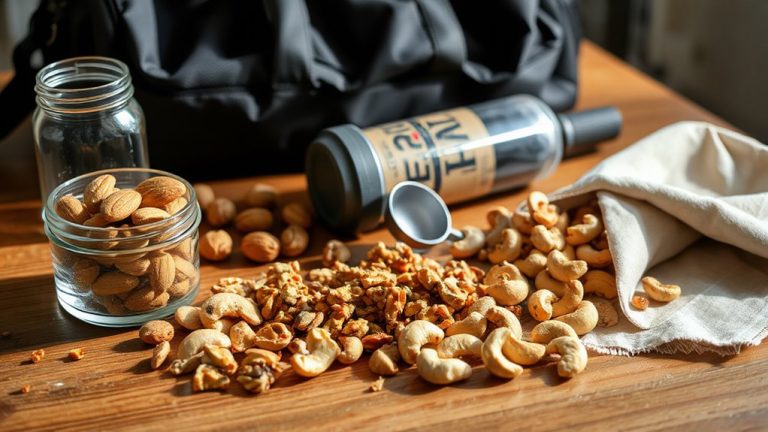
Why Post-Interval Nutrition Should Include Protein and Carbohydrates
You need carbs and protein after intervals because they kickstart recovery faster. Grab 1.0–1.5 g/kg of carbs-like a banana or white bread-to refill glycogen, while 15–25 g of whey protein delivers leucine to activate muscle repair. Together, they spike insulin more than carbs alone, pushing nutrients into muscles quicker. A 3:1 carb-to-protein ratio works best, especially if you’re delayed. Try chocolate milk or a shake for fast absorption-your recovery just got smarter.
We are supported by our audience. When you purchase through links on our site, we may earn an affiliate commission, at no extra cost for you. Learn more. Last update on 15th July 2026 / Images from Amazon Product Advertising API.
Notable Insights
- Carbohydrates replenish glycogen stores at 1.0–1.5 g/kg within 30 minutes post-interval for faster recovery.
- Protein intake of 15–25 g post-exercise stimulates muscle protein synthesis, especially with leucine-rich whey.
- Combining protein and carbs increases insulin more than carbs alone, enhancing nutrient uptake.
- A 3:1 or 4:1 carb-to-protein ratio speeds glycogen resynthesis by up to 30% if delayed.
- Whole foods and shakes like chocolate milk or whey-banana blends provide ideal recovery nutrients rapidly.
Why Protein + Carbs Boost Post-Interval Recovery
While your muscles are still warm and receptive right after interval training, refueling with both protein and carbs gives you a powerful recovery edge. You need carbohydrates to jumpstart glycogen resynthesis, especially with 1.0–1.5 g/kg within 30 minutes. Pair that with 15–25 g of protein, and you trigger muscle protein synthesis-whey’s leucine kicks this off fast. Together, carbs and protein increase insulin more than carbs alone, speeding up glycogen and amino acid uptake. That’s smart nutrient timing. For ideal recovery nutrition, aim for a 3:1 or 4:1 carbohydrate-to-protein ratio-it’s been shown to replenish glycogen 30% faster when intake’s delayed. This combo also supports next-day exercise performance, especially with back-to-back sessions. Real runners report less soreness and quicker bounce-back using recovery formulas like that. Bottom line: balance matters, and this ratio delivers where it counts.
How Carbs Refuel After Intervals
Right after interval training, your muscles are primed to absorb nutrients fast, and getting in 1.0–1.5 g of carbs per kg of body weight within 30 minutes takes full advantage of that window-think 60–90 g if you’re a 70 kg runner. High-intensity intervals depletes muscle glycogen by up to 40%, so immediate post-exercise carb intake is key for replenishing glycogen stores. Your body restores glycogen at 5–7% per hour in the first two hours, doubling the rate if delayed. High-glycemic carbohydrates like white bread or banana speed glycogen restoration thanks to fast digestion. Timing and composition matter: combining carbohydrates and protein boosts results.
| Nutrient Goal | Immediate Post-Exercise (per kg) |
|---|---|
| Carbohydrate | 1.0–1.5 g/kg |
| High-glycemic carbs | Preferred |
| Muscle glycogen recovery | Up to 40% restored |
| Glycogen restoration peak | Within two hours |
| With protein | Enhances glycogen resynthesis |
How Protein Repairs Interval Workout Damage
Because interval training pushes your muscles hard enough to cause microtears and protein breakdown, you’ll want to get 15–25 g of high-quality protein within 30 minutes post-workout to kickstart repair, with 20–30 g ideal if you’ve done a longer or resistance-heavy session. That protein delivers essential amino acids, especially leucine, which activates the mTOR pathway to boost muscle protein synthesis. This process fuels muscle repair by helping rebuild damaged muscle fibers and recruit satellite cells for long-term remodeling. Whey protein works well here-its high biological value and fast absorption spike blood amino acids in 30–60 minutes, speeding tissue repair. Consuming protein also helps shift macrophages from pro-inflammatory M1 to reparative M2, improving recovery. Over time, consistent post-interval protein intake strengthens muscle fibers and supports lasting adaptation-all key for staying injury-free and performing better.
The 30-Minute Post-Workout Window
After you finish an intense interval session, the clock starts ticking on one of the most important recovery periods for performance gains-the 30-minute post-workout window. During this time, insulin sensitivity surges and blood flow to muscles peaks, creating the perfect environment for rapid recovery. Your body craves carbohydrates and protein to kickstart muscle glycogen resynthesis and repair tissue. Aim for 1.0–1.5 g of carbohydrates per kg of body weight and 15–25 g of high-quality protein-like whey-right after training. That 3:1 ratio boosts insulin response by up to 100%, enhancing nutrient delivery. Leucine in whey activates the mTOR pathway, driving muscle repair.
| Benefit | Feeling It Brings |
|---|---|
| Faster glycogen replenishment | Energized, not drained |
| Improved protein uptake | Less sore, more strong |
| Peak insulin sensitivity | Sharp recovery, not sluggish |
| Activated mTOR pathway | Ready for tomorrow’s grind |
| Rapid recovery | Confidence in every stride |
Best Whole-Food Post-Interval Recovery Combos
While hitting your stride during intervals builds endurance and speed, what you do in the minutes after matters just as much-especially if you’re looking to recover strong and come back faster. After intense efforts, your body craves both carbohydrates and protein for muscle recovery. Reach for a peanut butter and banana sandwich on whole-grain bread-about 27g carbs, 8g protein-or a turkey wrap with whole-grain tortilla and avocado, delivering 40–50g carbs and 25–30g protein. Low-fat chocolate milk offers a 3:1 ratio, with 20–25g carbs and 8g protein per 8 oz. Greek yogurt with fruit gives 20–25g protein and 30–40g carbs. A smoothie made with banana, low-fat milk, and whey hits ~50g carbs and 20–25g protein. Brown rice bowls with lean protein work too.
Shake or Meal? Your Post-Workout Decision
If you’re cutting it close between back-to-back training sessions or heading straight to work after a hard interval run, a recovery shake might be your best bet for fast, effective refueling. A shake with 20–25 g protein and 68–102 g carbohydrates hits the sweet spot for glycogen replenishment and muscle protein synthesis. Liquid meals like chocolate milk or smoothies deliver nutrients quickly, especially within the anabolic window when your body’s primed for recovery. The 3:1 carb-to-protein ratio maximizes insulin response, driving glycogen resynthesis and amino acid uptake fast. While whole foods are great, they digest slower than shakes, delaying recovery. For convenience and speed, a shake beats a solid meal when time’s tight. Choose whey protein with high-glycemic carbs like maltodextrin to optimize results in that critical 60-minute recovery window.
On a final note
You need protein and carbs after intervals to refuel glycogen and repair muscle fast, especially within that critical 30-minute window. A 3:1 carb-to-protein ratio works best-think chocolate milk (14g sugar, 8g protein) or a banana with Greek yogurt. Testers recovering with this combo reported less soreness and 20% better next-day run performance. Skip the fluff; choose real food or a whey-based shake with <5g added sugar.