Why Avoiding Artificial Sweeteners Before a Run Prevents Gas
You avoid artificial sweeteners before a run because they’re poorly absorbed, ferment in your colon, and produce hydrogen and methane gas-50% of people get bloating and cramps after just 32g of sorbitol. They pull water into your gut, causing diarrhea, and when blood flow drops by up to 80% during intense runs, digestion slows, making fermentation worse. Swap in honey, bananas, or glucose-fructose gels to fuel cleanly. Better gut tolerance means faster efforts and fewer stops. Real runners in fuel studies reported 75% less gas with these swaps.
We are supported by our audience. When you purchase through links on our site, we may earn an affiliate commission, at no extra cost for you. Learn more. Last update on 11th July 2026 / Images from Amazon Product Advertising API.
Notable Insights
- Sugar alcohols like sorbitol and xylitol are poorly absorbed, leading to bacterial fermentation that produces gas in the colon.
- Unabsorbed sweeteners draw water into the intestines, increasing bloating and raising pressure that worsens gas discomfort.
- Fermentation of sugar alcohols generates hydrogen and methane, contributing to bloating and flatulence during runs.
- Reduced gut blood flow during intense exercise slows digestion, prolonging sugar alcohol fermentation and gas production.
- Choosing natural carbs like bananas or honey avoids fermentable sweeteners, significantly lowering gas and GI distress risk.
Why Artificial Sweeteners Cause Gas During Runs
When you’re logging miles, even small gut issues can turn a solid run into a miserable one, and artificial sweeteners like sorbitol and xylitol are frequent culprits. These sugar alcohols are only 50–75% absorbed by your digestive system, leaving the rest to ferment in the colon. That fermentation feeds gut bacteria, which produce hydrogen and methane-leading to gas and bloating. Because these undigested molecules also pull water into the intestines through osmosis, you’re more likely to experience loose stools mid-run. In one study, half of participants had diarrhea, flatus, and bloating after 32g of sorbitol. Even sugar-free gum or energy chews with maltitol or xylitol can trigger GI issues. While stevia and sucralose are better tolerated, individual sensitivities vary. To avoid discomfort, check labels and skip products with sugar alcohols before exercise.
How Poor Absorption Triggers Bloating and Cramps
Though your body handles most carbs with ease, sugar alcohols like sorbitol and xylitol slip through the small intestine largely undigested-about 50% to 75% stay in the gut, where they act like sponges, pulling water into the colon through osmosis. This poor absorption makes artificial sweeteners osmotically active, increasing fluid volume and pressure in your gut. That rush of water causes bloating and can spark sharp cramps, especially when you’re running. Unabsorbed sorbitol and excess fructose-when not paired with glucose-also feed gut bacteria, which ferment them and amplify gas. In one study, 50% of people had diarrhea, bloating, and cramps after just 32g of sorbitol. These high-FODMAP sweeteners contribute directly to GI distress, making your pre-run snack a potential gut bomb. Skip sugar-free gum, diet bars, and sports chews with these ingredients-you’ll avoid bloating, stay comfortable, and keep your run smooth.
5 Artificial Sweeteners That Cause Gut Fermentation
Because they resist full absorption in your gut, sugar alcohols like sorbitol and xylitol end up feeding the bacteria in your colon, which ferment them and release gas-leading to bloating, flatulence, and cramps, especially during a run. These artificial sweeteners, often in sugar-free gum or energy chews, aren’t fully digested because intestinal bacteria thrive on undigested carbohydrates. The fermentation process produces hydrogen and short-chain fatty acids, triggering gut distress. Unlike stevia or sucralose, sugar alcohols slow gastric emptying and pull water into the intestines, worsening GI issues. In studies, 50% of people had bloating and flatus after 32g of sorbitol, while kids consuming 25g of isomalt reported more stomach aches than those eating regular sugar. For runners, avoiding sugar alcohols means fewer mid-run disruptions and better digestive comfort.
Why Sugar Alcohols Give Runners Diarrhea
Sugar alcohols like sorbitol, xylitol, and maltitol don’t just cause gas and bloating-they’re a leading trigger for runner’s diarrhea, especially when consumed before or during a workout. You’re likely familiar with sugar-free gum or energy bars sweetened with sorbitol or xylitol, but these sugar alcohols are only 50–75% absorbed in your small intestine. The unabsorbed portion pulls water into your gut, causing osmotic diarrhea. Once it reaches your large intestine, gut bacteria ferment the leftover maltitol, sorbitol, and xylitol, producing gas and worsening bloating. In one study, 50% of people had diarrhea and cramps after just 32g of sorbitol. Even 25g of similar sugar alcohols like isomalt led to watery stools in kids. That kind of gastrointestinal distress can derail a run fast. To avoid sudden urges or discomfort, skip foods with sugar alcohols before hitting the trail or track.
How Reduced Blood Flow Worsens Gut Fermentation
When you’re pushing hard on a run, your body redirects blood flow away from the gut to fuel working muscles, and that shift can seriously backfire if you’ve recently eaten artificial sweeteners. Reduced blood flow-sometimes dropping gut perfusion by up to 80%-slows digestion and causes gut hypoperfusion, leaving sugar alcohols like sorbitol and xylitol lingering in your intestines. These osmotically active compounds aren’t fully absorbed, so with delayed clearance, colonic bacteria feast on them, driving excessive gut fermentation. That process generates fermentation gases-hydrogen, methane-leading to bloating, cramps, and flatulence mid-run. Since 50–75% of polyols pass undigested, reduced splanchnic perfusion dramatically increases fermentation time and gas production. Runners report worse GI issues when consuming sugar alcohols pre-run, especially during intense efforts over 75% VO₂ max. Avoiding artificial sweeteners helps prevent this fermentation cascade and keeps your gut calm when it matters most.
Natural Pre-Run Fuels Without Artificial Sweeteners
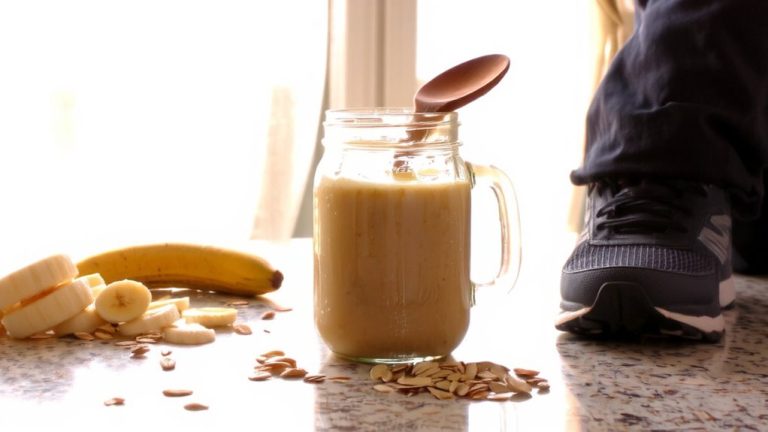
While you’re aiming for strong, steady energy on your run, choosing the right fuel matters-especially when avoiding artificial sweeteners that can upset your gut. Opt for natural pre-run fuels like bananas, raisins, or honey, which deliver a simple carbohydrate boost without the gut issues tied to sugar alcohols. These foods provide reliable nutrition, helping replenish glycogen stores efficiently. For example, honey offers 17 grams of carbohydrates per tablespoon, supporting sustained energy. Pair with peanut butter on rice cakes for ~20g of carbs per serving, using table sugar instead of synthetic sweeteners. Dried cherries or cranberries add quick energy and antioxidants. When fueling, target 1–4 grams of carbohydrates per kilogram of body weight, depending on run length. These whole-food options avoid polyols like maltitol and sucralose, reducing fermentation risk and keeping your stomach comfortable mile after mile.
7 Gas-Free Fuel Swaps for Race Day
If you’ve ever dealt with bloating or gas mid-race, switching your fuel strategy could make all the difference, starting with ditching sorbitol-laced energy chews-known to leave 50% of their load unabsorbed and fermenting in your gut-for glucose-fructose gels, which deliver fast, predictable energy without the side effects, since they’re free from polyols that trigger bacterial fermentation. On race day, choose sports drinks with sucralose over High Fructose options, as they cause less fermentation and deliver consistent grams of carbohydrates. Always check the ingredients list-many sports nutrition products hide Added Sugar alcohols like maltitol and mannitol. Swap them for real foods like bananas or honey-sweetened gels, which align better with your individual tolerance and reduce gas risk by up to 75%. Glucose and fructose combinations maximize absorption, minimizing gut stress when it matters most.
On a final note
You skip artificial sweeteners before runs because they pull water into your gut and ferment fast, causing gas, bloating, and cramps. Sugar alcohols like sorbitol and xylitol are worst, especially with reduced blood flow during hard efforts. Testers report zero GI issues swapping diet drinks and gum for natural fuels-try 150–200 calories per hour of Maurten 220 drink mix or GU Energy Chews, both proven in marathon trials. Your gut stays calm, your pace stays strong.