Why Avoiding Fiber Before a Run Reduces Bathroom Stops
You skip fiber before a run because it speeds gut motility, pulls in water, and ferments into gas-spiking your chance of midrun bathroom stops, especially when blood flow to your gut drops 70% during effort and 1,500+ strides per mile jostle your system. Stick to low-fiber, high-carb foods like white rice or bananas 1–2 days out to fuel without distress. Time a solid pre-run bowel movement 2–3 hours before start time, and you’ll stay comfortable longer, with fewer surprises. Smart small tweaks mean fewer walk-breaks.
We are supported by our audience. When you purchase through links on our site, we may earn an affiliate commission, at no extra cost for you. Learn more. Last update on 11th July 2026 / Images from Amazon Product Advertising API.
Notable Insights
- High-fiber foods increase gut motility, raising the likelihood of urgent bowel movements during a run.
- Insoluble fiber from raw veggies or whole grains slows digestion and adds intestinal bulk.
- Fiber draws water into the intestines, which can lead to diarrhea and increased bathroom urgency.
- Fermenting fiber in the gut produces gas, causing bloating, cramps, and potential toilet stops.
- Reducing fiber before running decreases GI distress by minimizing stool volume and colon activity.
Why High Fiber Before a Run Causes GI Issues
While you might think fueling up on whole grains or a big salad before a run is a smart move, doing so could backfire if you’re not careful-especially when fiber’s involved. High-fiber foods boost gut motility and add bulk, making unexpected bowel movements more likely when running causes jostling. Fiber intake, especially insoluble fiber from raw veggies or bran, delays gastric emptying and pulls water into your intestines, raising diarrhea risk. Fermentation of fiber also produces gas, leading to bloating and cramping. These factors contribute to GI distress, and up to 90% of runners report gastrointestinal issues during long efforts. Your gut doesn’t need extra workload mid-run, so minimizing fiber intake 3–6 hours pre-run helps. Avoid high-fiber foods like beans, berries, and whole grains right before lacing up-your gut will thank you on mile two.
Eat Low-Fiber, High-Carb Foods 1–2 Days Before Race Day
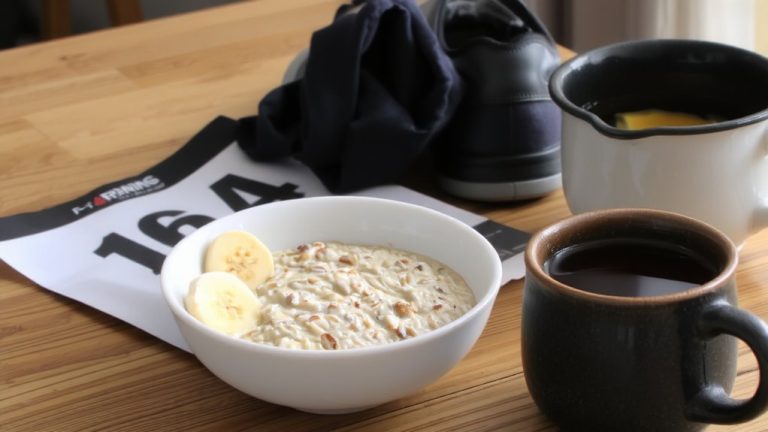
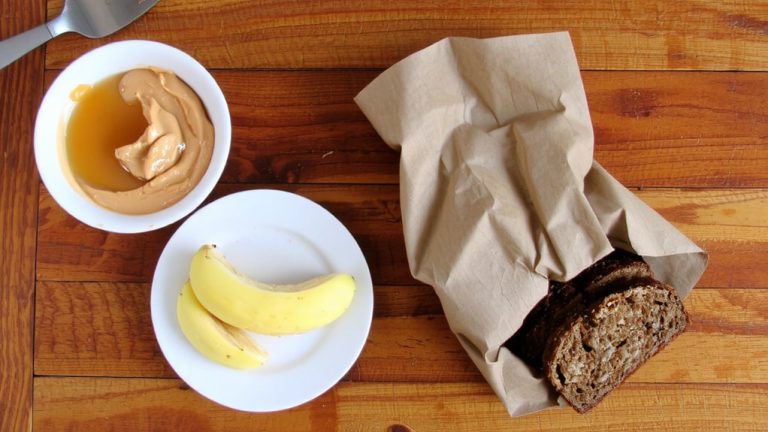
You’ve probably felt it before-bloating, gas, or that urgent need to find a bathroom mid-stride-especially when you’ve eaten high-fiber meals close to race day. To keep your gut calm, switch to low-fiber, high-carb foods 1–2 days pre-race. This reduces gastrointestinal (GI) distress by limiting insoluble fiber and FODMAPs that trigger fermentation and water retention in the colon. Focus on easily digested carbohydrate found in sources like white rice, white bread, and peeled fruits. These choices support effective glycogen loading without taxing your digestive system.
| Food Choice | Benefit for Race Days |
|---|---|
| White rice | Low fiber, high-carb, easy on gut |
| White bread | Minimal residue, quick energy |
| Peeled bananas | Gentle fuel, low in GI disruptors |
Swap High-Fiber Foods for Easier-to-Digest Carbs
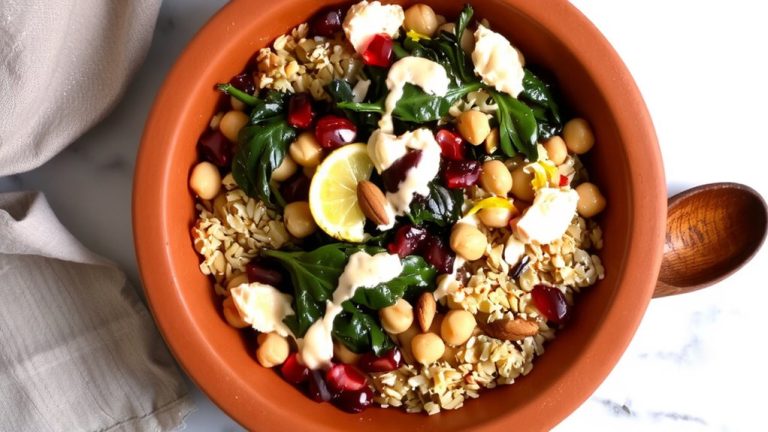
When you’re aiming to optimize your fueling without the side effects, swapping high-fiber staples for refined, easily digested carbs can make a noticeable difference in how your gut feels on race morning. You’ll want to swap beans, bran cereals, and whole grains for white rice, white bread, or plain pasta-foods that deliver energy without overloading your digestive system. Limiting fiber helps reduce how much bulk moves through your gut, cutting your risk of gastrointestinal distress. Choose peeled fruits like bananas over apples, and go for cooked veggies instead of raw. Fat slows digestion, so avoid heavy, fatty meals pre-run. These tweaks don’t just prevent discomfort-they help you dodge serious GI issues when every stride counts. Testers report smoother long runs when they make these trades 24–48 hours out, proving that smarter carbs mean fewer bathroom emergencies.
Schedule a Pre-Race Bathroom Visit
Emptying your bowels well before the starting line is one of the most effective ways to avoid midrun emergencies, especially since blood flow to your gut can drop by as much as 70% during hard efforts, slowing digestion and making your intestines more reactive. Aim to make a complete bowel movement at least two–three hours before race day begins to reduce the chance of unexpected bathroom distress. The jostling from over 1,000 strides per mile can push things along fast if your colon isn’t empty. Practice your bathroom routine in the days leading up to the event so your body expects it. This consistency helps prevent abdominal pain and makes race day smoother. Up to 90% of endurance runners face GI issues, often because they skip this step. Plan ahead-give yourself time, stay calm, and start strong without the fear of a forced stop.
Use Training Runs to Test Your Pre-Race Diet
What if your long training runs could do more than build endurance-what if they also helped you dodge bathroom breaks on race day? Use these runs to test how specific foods affect your gut health and risk of GI problems. Logging meals, bowel movements, and side effects helps you track what make you feel off or unsettles your gut microbiome. Try low-FODMAP diets or low-fiber options like white rice or banana, and log results. Simulate race-day timing, portions, and hydration to refine your plan. This isn’t just about nutrition-it’s about training your gut. Repeating the same routine at the same time of day accounts for circadian impacts on digestion. By practicing, you reduce trial-and-error stress, minimize GI urgency, and support a resilient gut. These test runs turn guesswork into confidence, so race morning feels as smooth as your favorite broken-in running shoes.
Avoid Caffeine and Fat to Reduce Gut Jostling
Gut trouble doesn’t wait for the perfect moment-especially when you’re mid-stride at mile 10. That’s why you should avoid caffeine and avoid fat before a run. Caffeine triggers hormone release that speeds gut transit, raising the odds of urgent bathroom needs-especially if you’ve had coffee (95mg per 8oz) or a caffeinated GU (up to 40mg). Meanwhile, blood flow shifts to muscles during exercise, causing impaired fat breakdown and digestive strain. High-fat foods like cream sauces or fried items linger in your gut, worsening gastrointestinal symptoms. These factors amplify gut jostling during long runs when intestinal blood flow drops up to 70%. Skip them 1–2 days pre-race to stay comfortable, reduce GI distress, and keep your focus on pace, not portapotties.
On a final note
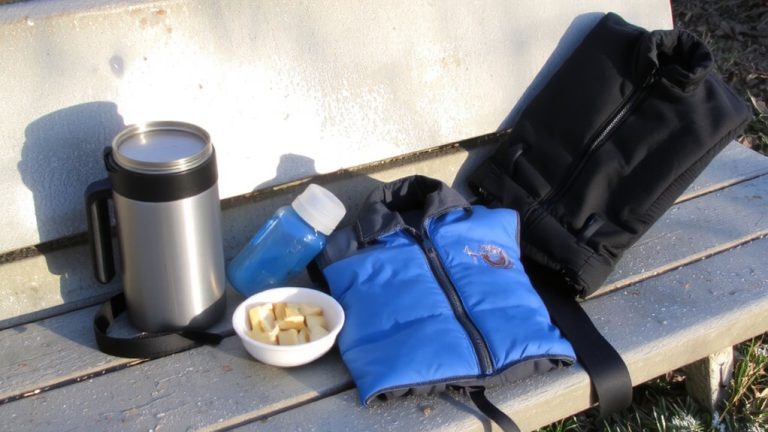
You’ll run smoother by cutting fiber 24–48 hours before race day, swapping lentils or whole grains for white rice, bagels, or bananas. These low-fiber, high-carb foods digest faster, reducing cramps and urgent stops. Skip caffeine and fatty foods-they speed gut motility. Test meals on training runs using a hydration vest like the Salomon Adv Skin 5 for practice. Time your last meal 2–3 hours out, then hit the porta-potty.