How to Fuel Before a Double Run Day Safely
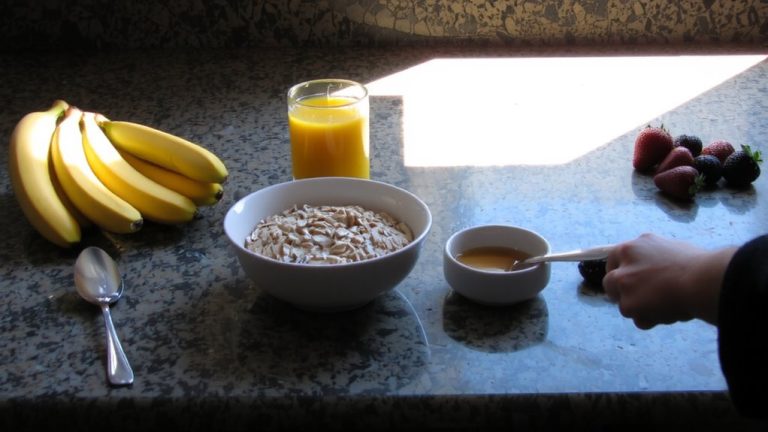
Eat 50–70g of carbs like oatmeal with banana or a bagel with honey 2–4 hours before your first run, adding 5–10g protein for balance. Top up with 25–30g fast carbs, like a ripe banana or energy gel, 15–30 minutes prior if needed. This keeps blood glucose stable and fuels both runs safely. Pair with 16–24oz fluid and a pinch of sodium to stay hydrated. You’ll sustain energy, delay fatigue, and prime recovery from the start-especially when you time your next fuel window right.
We are supported by our audience. When you purchase through links on our site, we may earn an affiliate commission, at no extra cost for you. Learn more. Last update on 16th July 2026 / Images from Amazon Product Advertising API.
Notable Insights
- Prioritize morning carb intake with fast-digesting sources like white rice or bagels to restore glycogen after overnight fasting.
- Consume 50–70g carbs and 5–10g protein within 2 hours of your second run to support sustained energy and recovery.
- Eat a pre-run snack of 25–30g carbs, such as a ripe banana or dried fruit, 15–30 minutes before runs longer than 70 minutes.
- Choose low-fiber, easily digestible carbs like yogurt with fruit or a bagel with honey to prevent gastrointestinal distress.
- Begin rehydration immediately post-first run with 8–12 ounces of fluid and monitor urine color for optimal hydration status.
Prepare Meals for Double Workout Recovery
When you’re tackling double runs, nailing recovery nutrition between sessions can make or break your performance-so prep smart when you’re fresh. You’ve got to prepare meals ahead, especially on rest days, to fuel properly during double days. Batch-cook overnight oats, grain salads, or grilled chicken to have recovery meals ready fast. Aim for a 4:1 ratio of carbs and protein-think 75g carbs and 20g protein-to refill glycogen stores quickly and support muscle repair. Eat within 1–2 hours post-run, prioritizing high-glycemic carbs like white rice or bagels with lean protein for faster absorption. Leftovers from high-carb dinners or sports nutrition products can boost your daily carbohydrate intake efficiently. Solid meal prep isn’t just convenient-it guarantees you consistently meet the 8–12g/kg target, keeping energy steady and recovery on track.
Fuel With Carbs Before Both Sessions
You’ve already set yourself up for success by preparing recovery meals in advance, but what you eat before your second run matters just as much. To Fuel properly, aim for 50 to 70 grams of carbs with 5–10 grams of protein within two hours of your second run-this boosts glycogen availability and sustains blood glucose. Prioritize fast-digesting carbs like a bagel with honey or yogurt with fruit, which are low-fiber and easy on the stomach. If you’re short on time, grab a ripe banana or some dried fruit 15–30 minutes before; they provide quick carbohydrate delivery. For runs over 70 minutes, don’t skip at least 25–30 grams of carbs to maintain energy. Even your morning session needs smart carb intake, especially after fasting, to restore liver glycogen and support muscle glycogen.
Replenish Glycogen Between Workouts
Though your first run depletes glycogen stores quickly, refueling within 30 minutes gives you the best shot at topping off energy for the second session, especially when recovery time is under four hours, you’ll want to hit 1.2 grams of carbs per kilogram of body weight each hour-so if you weigh 70 kg (154 lbs), that’s 84 grams of carbs hourly, starting ASAP. Combine that with 0.2–0.4 grams of protein per kg to help replenish glycogen and support muscle repair. Choose easily digestible, high glycemic index carbs like white rice, bagels, or sports drinks to carb load efficiently. Fueling properly helps you recover and give your next run the duration and intensity it deserves. Skipping this window can leave glycogen stores 40% lower, hurting performance. A sports dietitian can help tailor your plan, ensuring you’re giving yourself sufficient energy to thrive.
Hydrate Strategically for Second-Session Performance
Staying ahead of fluid loss means sipping water consistently after your first run, aiming for 8 to 12 ounces with every snack to gently restore balance without bloating. You’ve gotta hydrate smart to maintain fluid balance, especially since you can lose 1–2 liters of sweat per hour. Check your hydration status before the second run-your urine color should look like straw or lemonade. If it’s darker, you’re behind on rehydration. After heavy sweat losses, drink 24 ounces of fluid with 400–600 mg of sodium to replace electrolytes and support thermoregulation. Weigh yourself post-first run; if the number’s down, boost your fluid intake to regain it. Proper rehydration means better endurance, sharper focus, and safer training. Don’t wait to feel thirsty-by then, your performance is already lagging.
On a final note
Fuel up with 45–60g of carbs like a Clif Bar or banana before each run, and drink 16–20 oz of water two hours prior. Between sessions, replenish glycogen fast with a 3:1 carb-to-protein shake or chocolate milk. Stay hydrated with electrolytes-Nuun or Liquid IV help maintain performance. Wear moisture-wicking gear like Nike Dri-FIT to prevent chafing. Real runners confirm: smart fueling cuts fatigue, boosts endurance, and keeps injuries at bay.