How to Use Interval Training to Prepare for a Rolling 10K Course
Skip steady runs and use intervals to tackle a rolling 10K course. Do 12 x 400m at 95% of your 10K pace with 400m jogs (2:1 ratio) to boost lactate threshold and running economy. Try 6–8 x 3-minute uphill efforts at 85–90% max heart rate on 3–5% gradients, followed by easy downhills to simulate race fatigue. Schedule 4 x 1.5-mile reps at goal pace with 3-minute rests four weeks out for peak fitness-there’s more where that came from.
We are supported by our audience. When you purchase through links on our site, we may earn an affiliate commission, at no extra cost for you. Learn more. Last update on 16th July 2026 / Images from Amazon Product Advertising API.
Notable Insights
- Use interval training to simulate the varying effort demands of rolling 10K terrain.
- Perform 12 x 400m at slightly below max effort to raise lactate threshold.
- Apply a 2:1 work-to-rest ratio to improve running economy and pace shifting.
- Execute 6–8 hill intervals on 3–5% gradients at 85–90% max effort.
- Schedule key sessions like 4 x 1.5-mile reps at 10K pace four weeks pre-race.
Use Intervals, Not Steady Runs, for Rolling 10Ks
While steady runs build base mileage, they don’t fully prepare you for the constant shifts in effort a rolling 10K demands-this is where interval training shines. With interval training, each workout mimics the hard efforts and partial recoveries of hilly terrain, better preparing your muscles and lungs. A 12 x 400m interval workout at slightly below max effort, using a 2:1 work-to-rest ratio, boosts lactate threshold and running economy. That means you’ll hold goal race pace longer, even on inclines. Speed workouts like 4 x 1.5 miles at 10K effort with 3:00 rests build endurance and pacing control. Short hill intervals-1:00 at 3K effort-followed by downhill recoveries improve neuromuscular coordination. These structured hard efforts train your body to shift pace efficiently, making flat training runs less effective for rolling courses. Embrace interval training; it’s the smartest part of your training plan.
Pace Your Reps to Match Hills and 10K Goal Speed
When you’re training for a rolling 10K, your interval pace should match the intensity of the course’s hills, not just flat-out speed, so aim for a consistent effort level of RPE 7–8 across each rep. In each interval workout, pace your reps to mirror real race conditions-use a 2:1 work-to-rest ratio, like 80 seconds at 10K race pace with 40 seconds jog. On uphill segments, push effort into zone 4 (85–90 percent of maximum heart rate) without fixating on seconds per mile. During downhills, ease slightly to aid recovery while staying near goal pace. Build endurance with 4 x 1.5-mile reps at 10K race pace, 3:00 rest. Include tempo runs to reinforce steady effort. Adjust based on recent race data so each session trains your body to maintain consistent intensity, not just speed.
Structure Hill Intervals to Simulate Rolling Course Fatigue
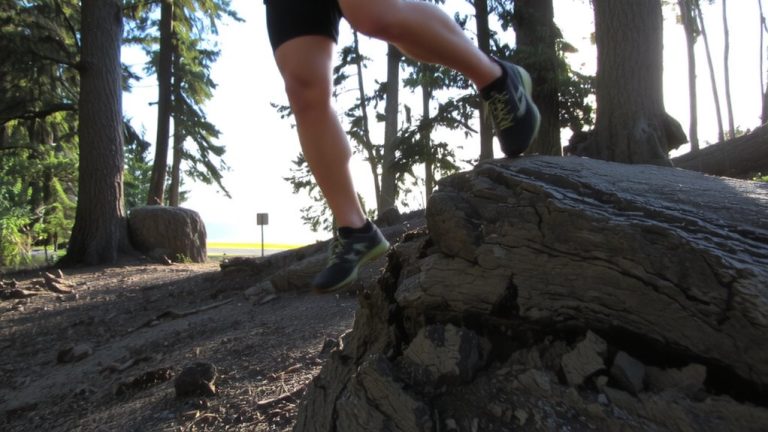
Since race-day success on a rolling 10K course depends on how well your legs handle repeated climbs under fatigue, structuring hill intervals to mimic those conditions is key, so hit a rolling route with consistent 3–5% gradients and run 6–8 sets of 3-minute uphill efforts at 85–90% max effort (RPE 8–9), holding 10K race intensity even as your quads burn. These hill intervals build muscular endurance and neuromuscular coordination by replicating real uphill segments, while your 1:1 work-to-recovery ratio allows partial lactate clearance, priming your body for repeated surges. Jogging downhill or flat between efforts maintains blood flow and improves fatigue resistance. By matching your 10K race effort on varied terrain, you train your legs to push through cumulative strain. This specificity sharpens running economy and prepares your stride for the relentless rhythm of a rolling course.
Schedule Sessions 4 Weeks Before Your 10K for Peak Fitness
You’ve built resilience on rolling terrain with structured hill intervals, and now it’s time to lock in race-specific fitness by timing your hardest session just right. Schedule your key interval sessions 4 weeks before your 10K to hit peak fitness without risking fatigue. Do 4 x 1.5 miles at 10K race effort, with 3:00 rest, to mimic sustained intensity on a rolling 10K course. Add 4 x 1:00 at 3K race effort, with 1:00 recovery before and after-these spikes train your maximum heart response for uphill surges. Always use terrain matching: run on similar surfaces as race day to sharpen neuromuscular control. Begin with 10 minutes of dynamic stretching to prime your stride. This session consolidates endurance, speed, and course-specific adaptation exactly when your body needs it-4 weeks out.
On a final note
You’ve got this: use intervals to build strength and speed for rolling terrain, pacing reps to match hill gradients and your 10K goal-like 5 x 800m at 5:15/km with 90 seconds jog. Hit hill repeats weekly for 4 weeks out, wearing cushioned shoes like the Brooks Ghost 15 for impact support. Testers report less fatigue with carb-loading 2 days prior and sipping electrolytes. Stay consistent, trust the plan, and race smart.