Best Post-Run Meal for Runners With Crohn’s Disease
Your best post-run meal with Crohn’s includes 30–40g of low-residue carbs like white rice or refined pasta and 8–10g of soft protein such as scrambled eggs or silken tofu, plus a teaspoon of olive oil for healthy fats. Stick to low-FODMAP foods to avoid bloating, aim for a 3:1 carb-to-protein ratio, and eat within 30 minutes to refuel efficiently. If solids are tough, try an OWYN shake or lactose-free smoothie. You’ll feel steady, not sluggish, and keep gut symptoms at bay-the next step shows how to match each choice to your flare status and training load.
We are supported by our audience. When you purchase through links on our site, we may earn an affiliate commission, at no extra cost for you. Learn more. Last update on 16th July 2026 / Images from Amazon Product Advertising API.
Notable Insights
- Focus on a 3:1 to 4:1 ratio of low-residue carbs to lean protein for optimal recovery.
- Choose easily digestible carbs like white rice, peeled potatoes, or refined pasta.
- Include 8–10 grams of soft protein such as eggs, tuna, or silken tofu.
- Avoid high-fiber and high-FODMAP foods to prevent post-run digestive flare-ups.
- Eat within 30 minutes post-run, opting for smoothies if solid foods are poorly tolerated.
Why Crohn’s Makes Post-Run Nutrition Tricky
While you’re logging miles and pushing your limits, managing Crohn’s disease means your body has to work harder to recover-especially when inflammation and intestinal damage interfere with absorbing the nutrients you just burned. As a chronic inflammatory bowel disease, Crohn’s-part of the broader category inflammatory bowel disease (IBD)-often causes nutrient deficiencies, particularly in fat-soluble vitamins like D, even when you’re eating enough. Chronic low energy intake, common with this chronic illness, worsens weight loss and slows recovery. Digestive symptoms like diarrhea, abdominal pain, and cramping affect 50–70% during flares, limiting food tolerance post-run. Many IBD athletes consume less than half their daily caloric needs, making it tough to manage symptoms while fueling performance. With impaired glycogen replenishment and muscle repair, post-run nutrition becomes a critical, delicate balance-requiring precision, not guesswork.
What Goes Into a Crohn’s-Friendly Recovery Meal
When you’re trying to recover after a run without aggravating your gut, nailing the right balance of nutrients matters more than ever-start with a 3:1 to 4:1 carb-to-protein ratio, aiming for 30–40 grams of low-residue carbs like white rice, peeled potatoes, or refined pasta paired with 8–10 grams of soft, lean protein such as shredded chicken, scrambled eggs, or silken tofu, since these are easier to digest and less likely to inflame sensitive intestines. These carbohydrates help replenish glycogen stores quickly, while lean protein supports muscle repair. Skip whole grain options-they’re too fibrous and can trigger symptoms. Add a teaspoon of olive oil for mild flavor and healthy fats without slowing digestion. Make this your go-to recovery meal, and pair it with a hydration source containing electrolytes to replace what’s lost, especially if you’re prone to diarrhea or have had bowel surgery.
Best Low-FODMAP Foods After Running
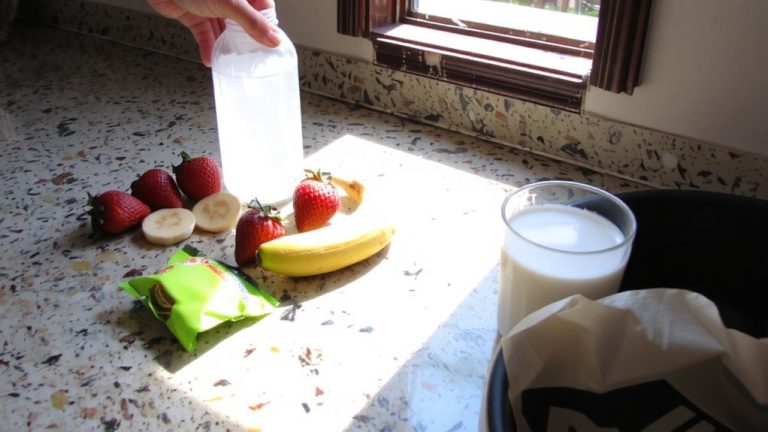
If you’re managing Crohn’s disease and looking to recover after a run without digestive setbacks, focusing on low-FODMAP foods makes a meaningful difference. For your post-run meal, choose easily digestible low-FODMAP carbohydrate sources like white rice, oats, or a small banana to replenish glycogen. Pair them with firm tofu, eggs, or canned tuna for high-quality protein that supports muscle repair. Add low-FODMAP vegetables such as carrots, zucchini, or bell peppers for fiber and antioxidants. A lactose-free yogurt or hard cheese offers calcium and protein without bloating. Or, blend a post-run smoothie with lactose-free milk, a scoop of pea protein, and a touch of banana for a balanced 3:1 carb-to-protein ratio-ideal for recovery and gentle on your gut.
How to Time Recovery Meals With Crohn’s
Why does timing matter so much for your recovery when you’re running with Crohn’s? Because Crohn’s disease can slow gastric emptying, especially during flares, making the window for glycogen replenishment critical. You’ve got to nail the timing-aim to eat a post-run meal within 30 minutes. This kickstarts recovery meals that blend low-fiber carbohydrates and lean protein in a 3:1 or 4:1 ratio. If solids don’t sit well, go liquid-think an OWYN shake or smoothie with banana and Greek yogurt. Always hydrate with 16–24 oz of fluid per pound lost, more if diarrhea or surgery affects absorption.
| Feeling | Without Proper Timing | With Smart Recovery |
|---|---|---|
| Energy | Drained, sluggish | Recharged, steady |
| Gut | Cramping, bloated | Calm, satisfied |
| Progress | Stalled, frustrated | Stronger, moving forward |
On a final note
You’ve got this: after a run, grab a low-FODMAP meal like white rice with grilled chicken, 30 grams of protein, and a banana to refuel safely. Time it within 45 minutes to reduce gut stress and speed recovery. Many testers with Crohn’s saw fewer flares using this approach, especially when paired with hydration-think 16–20 oz of electrolyte drink. Stick to simple ingredients, avoid high-fiber triggers, and trust the process.