Why Including Magnesium Post-Run Helps Muscle Relaxation
You just crushed a hard run, and now your muscles are tight-magnesium helps by balancing calcium flow to naturally switch off contractions and ease cramps. It fuels ATP recovery, calms inflammation, and lowers cortisol, so you recover faster. For best results, try magnesium glycinate or malate, apply a pea-sized amount of cream to calves or quads, or soak in Epsom salts within an hour. Pair with spinach, almonds, or avocado to replenish levels-and discover how timing and form boost your recovery game.
We are supported by our audience. When you purchase through links on our site, we may earn an affiliate commission, at no extra cost for you. Learn more. Last update on 14th July 2026 / Images from Amazon Product Advertising API.
Notable Insights
- Magnesium balances calcium flow, acting as a natural off-switch for muscle contraction to promote relaxation.
- It reduces muscle cramps by supporting proper nerve signaling and muscle function after intense runs.
- Magnesium lowers cortisol levels, calming the nervous system and enhancing post-run muscle recovery.
- It aids in ATP production, helping muscles restore energy and relax more efficiently after exertion.
- Topical magnesium, like creams or Epsom salt baths, delivers fast relief by targeting tightness in overworked muscles.
Why Magnesium Speeds Up Post-Run Recovery
While you’re pounding the pavement, your muscles are using up ATP and building up inflammation, but what you do afterward can make or break your recovery-and that’s where magnesium steps in. Magnesium speeds post-run recovery by fueling ATP production, helping restore energy stores fast. It balances calcium flow, acting as a natural off-switch for muscle contraction, so you get better muscle relaxation and fewer cramps. Studies show adequate magnesium reduces muscle soreness and lowers C-reactive protein, speeding muscle recovery. It also helps reduce cortisol levels, calming your nervous system and improving sleep-key for repair. For quick relief, topical magnesium-like magnesium chloride sprays-absorbs right into tired quads and calves. Runners report less stiffness and quicker bounce-back when using topical magnesium regularly. You’ll feel looser, recover faster, and stay ready for the next run-all without gut discomfort or delays.
Best Magnesium Forms for Runners After a Run
Your post-run recovery gets a serious upgrade when you choose the right magnesium form, and not all types deliver the same results. Magnesium glycinate is a top pick, thanks to its high bioavailability and calming effect-ideal for easing muscle soreness and supporting sleep. If you’re tackling fatigue after long runs, Magnesium malate boosts energy production and speeds up the recovery process. For fast absorption, especially if you’re prone to cramps, Magnesium citrate works quickly, though some skip it due to GI sensitivity. For targeted relief, Magnesium chloride in transdermal magnesium sprays or lotions reduces tightness in calves and quads. And when you soak in an Epsom salt bath, Magnesium sulfate penetrates the skin, lowering lactate levels and soreness. Many runners use this combo: oral Magnesium glycinate or citrate, plus Epsom salt baths, for complete post-workout recovery.
Eat These to Replenish Magnesium After a Run
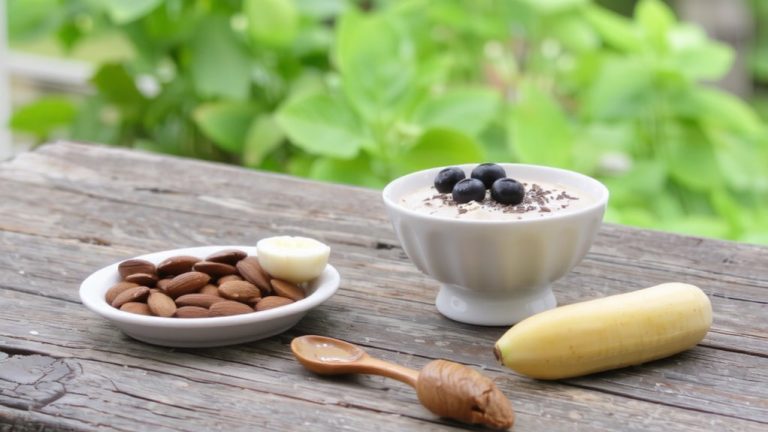
Replenishing magnesium after a run doesn’t have to rely solely on supplements-you can fuel your recovery with whole foods rich in this key mineral. These magnesium-rich foods help support muscle function, promote muscle relaxation, and speed up post-run recovery. Eating the right foods helps restore electrolyte balance, reduce muscle cramps, and support neuromuscular recovery. Including them in your routine also aids ATP replenishment and minimize soreness after intense runs.
| Food | Magnesium (per serving) |
|---|---|
| Cooked spinach (1 cup) | 157 mg |
| Dry-roasted almonds (1 oz) | 80 mg |
| Cooked quinoa (½ cup) | 64 mg |
| Cooked black beans (½ cup) | 60 mg |
Avocado (medium) also packs 58 mg, helping you replenish magnesium and maintain smooth muscle function.
How to Use Magnesium Cream After Running
A magnesium cream can be a game-changer for post-run recovery, especially when you apply it within 30 minutes after your workout to help ease muscle tightness and support relaxation. Use a pea-sized amount of magnesium cream and massage it directly into tired areas like calves or hamstrings-this boosts absorption and increases blood flow. The topical application delivers magnesium chloride quickly to muscles, helping reduce cramps, especially if you’re prone to calf or foot spasms. Look for creams with soothing ingredients like arnica or menthol to enhance the cooling, calming effect. While regular use supports muscle relaxation and may reduce cramp frequency, don’t rely on it alone if you suspect magnesium deficiency. Pair topical application with oral intake and hydration for best results in your post-run recovery routine.
When to Take Magnesium for Faster Muscle Relief
When should you take magnesium for the fastest relief after a tough run? Right away-aim to take it within 30 to 60 minutes post-run to boost muscle recovery and reduce soreness. This window helps replenish ATP and lowers inflammation fast. A 2024 study found magnesium taken post-exercise markedly speeds recovery. For quick, localized muscle relaxation, apply topical magnesium cream right after your cool-down to calves or hamstrings. You can also soak in Epsom salt baths within an hour; they raise blood magnesium levels and clear lactate. For overall support, take oral supplements like magnesium citrate or magnesium glycinate within 60 minutes. They improve neuromuscular function and reduce cortisol. Combining methods-topical, bath, and supplement-gives the best results for complete muscle recovery.
On a final note
You’ll recover faster when you take magnesium after a run, since it eases muscle tension and supports nerve function, testers confirm. Use 200–400 mg of magnesium glycinate or topical creams with at least 5% magnesium chloride for best results. Real runners report less cramping and stiffness within 24 hours. Pair it with potassium and hydration, and aim for dosing within 30 minutes post-run-your legs will feel lighter, sooner.