Best Way to Start Running Again
Start with a 4-minute brisk walk and 2-minute easy jog, repeating five times for 30 minutes, three non-consecutive days a week. Build weekly time or distance by no more than 10%. Do squats, lunges, and planks 2–3 times weekly, starting two weeks before running. Warm up with high knees and leg swings, then stretch quads, hamstrings, and calves post-run. Wear supportive shoes like the Nike Pegasus or Vomero, get a gait analysis, and replace worn pairs. Mark each run with an “X” on your calendar or log it in an app to track streaks and recovery patterns-consistency keeps you moving forward. Learn how strength training and proper recovery shape long-term progress.
We are supported by our audience. When you purchase through links on our site, we may earn an affiliate commission, at no extra cost for you. Learn more. Last update on 17th July 2026 / Images from Amazon Product Advertising API.
Notable Insights
- Begin with a run-walk routine: 4 minutes walking, 2 minutes jogging, repeated 5 times for 30 minutes total.
- Perform runs three non-consecutive days per week to allow adequate recovery and reduce injury risk.
- Start strength training 2–3 times weekly at least two weeks before restarting running to build joint stability.
- Wear proper running shoes with cushioning and get fitted via gait analysis for optimal support.
- Track progress by marking completed runs on a calendar and logging them to monitor consistency and recovery.
How to Start Running Again Safely
If you’ve taken a break from running for six weeks or more, the key to getting back safely is starting slow and building consistency-begin with a run-walk routine like 4 minutes of brisk walking followed by 2 minutes of easy jogging, repeating this cycle 5 times for a total of 30 minutes, three days a week. This approach helps you ease back into running while letting your body adapt. To avoid injury, start slowly and rebuild your running fitness gradually. Pair your routine with strength training-think squats, lunges, and planks-two times per week to support joints and tendons. When you start running again, always wear a proper pair of running shoes, like Nike Pegasus or Vomero, with enough toe room and cushioning. These steps make getting back into running safer and more sustainable, especially with running after a long break.
Rebuild Fitness After a Long Break
When you’re coming back after six weeks or more off, your aerobic base and muscle memory take a hit, so it’s smart to ease in with a structured run-walk plan like the 4-week Get Started routine: begin with 4 minutes of brisk walking followed by 2 minutes of easy jogging, repeating that cycle 5 times for 30 minutes, three non-consecutive days a week. This run-walk program helps you restart running safely while managing injury risk. Starting to run again? Stick to a clear training plan that supports gradual progression-no more than 10% weekly increases in time or distance. Wear supportive shoes like the Nike Pegasus or Vomero to cushion impact. Recovery matters, so run every other day to build back endurance. You’ll get back into running shape without setbacks. Consistency beats speed here. Let this running plan guide your return, making running after a long break feel natural again.
Prevent Injuries With Strength and Stretching
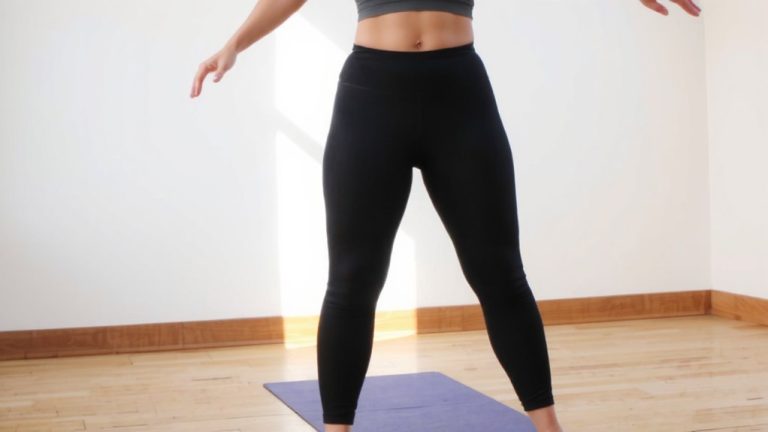
Building back your running routine starts with smart prep, and that means giving your body the support it needs before your foot hits the pavement. After a long break, jumping straight into running raises injury risk, but strength training 2–3 times weekly builds resilient muscles and joints. Start at least two weeks before easing back to running, focusing on squats, lunges, and planks to strengthen glutes, quads, and core. This boosts stability and helps prevent injury. Before each run, warm up with dynamic stretching like high knees, butt kicks, and leg swings to prime muscles for motion. Post-run, do static stretches-hold each 20–30 seconds-for quads, hamstrings, and calves to maintain flexibility. If you feel tightness mid-run, stop and stretch. It keeps your range of motion steady and supports safe, steady progress without strain.
Wear Shoes That Support Your Comeback
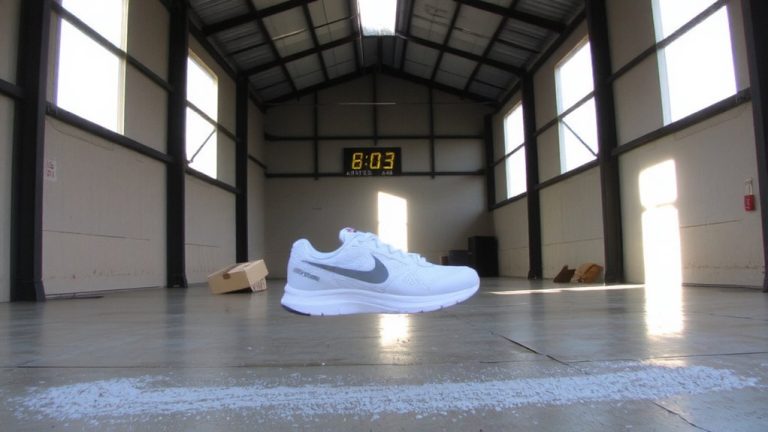
Since you’re restarting your running routine, the right shoes can make all the difference in how your body handles impact, stride, and fatigue. You should wear shoes designed for running back safely-opt for a new pair of running-specific shoes like the Nike Pegasus, Vomero, or Structure models. These lightweight shoes reduce injury risk with cushioning that supports joints and promotes good running form. Don’t forget to replace old shoes; worn soles increase stress on your knees and ankles. Visit a specialty store for a gait analysis to find footwear that matches your foot’s motion and support your stride. Always take a trial run-walking, jogging, and pivoting-to guarantee comfort and prevent pain. The right running-specific shoes give you confidence, stability, and the foundation for a good running comeback.
Track Progress to Stay Consistent
If you want to stay consistent with your running comeback, tracking your progress doesn’t have to be complicated-start by marking an “X” on a calendar for every day you run, because seeing a visual chain of successes builds momentum and makes it harder to break the streak. Use this simple visual reinforcement to strengthen your running routine and make consistency a habit. Track progress with binary data-just 1 for run, 0 for rest-so you’re not bogged down by pace or mileage early on. Log each day in a training log or app, and boost accountability with a commitment device like Beeminder.com, which ties your effort to real consequences. Review your log weekly to spot patterns in energy, mood, and recovery. When you hit 10, 25, or 50 days, celebrate streaks to stay consistent and feel the full reward of your commitment.
See a Doctor Before Returning From Injury
| Evaluation Type | Purpose | Common Use After Injury |
|---|---|---|
| Imaging (MRI/X-ray) | Detect structural damage | Stress fractures, tendon tears |
| Functional tests | Assess movement & strength | ACL, ankle stability |
| Physical therapy check | Review rehab progress | Post-surgery or chronic pain |
| Pain history review | Identify underlying conditions | Recurring or radiating pain |
| Clearance sign-off | Confirm safe return, reduce re-injury risk | Final step before running resume |
On a final note
You’ve got this-start slow with walk-run intervals, like 2 minutes jogging, 3 minutes walking, for 20 minutes, three times a week. Rebuild strength with planks, squats, and lunges twice weekly. Wear supportive shoes like Brooks Ghost 15, tested to handle 300+ miles, with 12mm drop for smooth shifts. Stretch post-run, track progress in a log or app like Strava, and see a doctor if returning post-injury-safety first, always.