Best Ways to Get Faster
You get faster by driving forward with a 45–60° attack angle in the first 10 meters, striking on the ball of your foot with a dorsiflexed ankle. Stay relaxed, arms at 90°, then run tall at top speed with hips under shoulders. Do 200m intervals, hill sprints, and shuttle runs, pair with sled drags and assisted downhill sprints, and rest 2–5 minutes between max efforts-your stride power and mechanics will transform like elite sprinters. There’s more where that came from.
We are supported by our audience. When you purchase through links on our site, we may earn an affiliate commission, at no extra cost for you. Learn more. Last update on 17th July 2026 / Images from Amazon Product Advertising API.
Notable Insights
- Drive powerfully in the first 10 meters with a 45–60° body angle and dorsiflexed foot for maximum acceleration.
- Maintain an upright posture with head, hips, and ankles aligned to optimize top-speed running mechanics.
- Perform 200-meter intervals, hill sprints, and shuttle runs to boost speed endurance, power, and agility.
- Build explosive strength with resisted sprints, plyometrics, and power cleans to increase stride force and rate.
- Use assisted sprints and full recovery between reps to safely train above max speed and enhance neuromuscular output.
Drive Forward in the First 10 Meters
When you’re exploding out of the blocks or starting from a standstill, the first 10 meters set the tone for your entire sprint, so lean into a 45–60° attack angle-this means your body forms a straight line from ankle to hips to ears-to maximize forward drive. You need high force production here, so drive your arms hard and extend your legs powerfully to boost acceleration. Keep your foot dorsiflexed, striking on the ball of your foot to avoid braking and stay efficient. Want to run faster? Add six 10-meter sprints from a half-kneeling start to your acceleration workouts, resting one minute between reps to guarantee you go as fast as possible each time. This builds strength and power critical for elite sprint performance. Whether you’re into track, soccer, or speed training, nailing this phase improves overall speed, running economy, and results in interval training and beyond.
Run Taller at Top Speed
While you’re already up to speed, staying efficient means running taller-think upright posture with just a hint of forward lean, so your head, hips, and ankles alignment stays locked at footstrike. This ideal sprint mechanics setup keeps your foot under body, not out in front, ensuring a vertical shin angle for better force application. You’re not reaching-just bouncing off the ground with stiff tendons, cutting ground contact time to about 0.08 to 0.1 seconds. That quick rebound relies on balance and elastic energy return, not muscle grinding. Keep your shoulders loose, arms driving rhythmically at 90 degrees, face relaxed-tension kills speed. Running taller at top speed isn’t about being stiff; it’s about aligning forward lean and posture so every stride adds up to free speed, reducing braking forces and boosting efficiency through smarter mechanics.
Do These 3 Speed Workouts to Run Faster
Since speed isn’t just about raw effort but smart, targeted training, you’ll want to focus on workouts that build real on-field velocity, and three standouts consistently deliver-200-meter intervals, hill sprints, and shuttle runs. Hit 6–8 sets of 200-meter intervals at hard effort with 2-minute recovery jogs to boost speed endurance and running economy-this intense interval workout sharpens your body’s ability to sustain fast paces. Do 8–10 hill sprints over 15–20 seconds, walking back for full recovery, to grow explosive leg power and dial in acceleration mechanics. Finish with 3–6 rep sets of 20–30 meter shuttle runs across 4–8 total sets, sharpening starts and direction changes. Together, these speed workouts improve sprint-specific muscle recruitment and speed endurance, so you can run faster, more efficiently, and with better control.
Build Explosive Power for Faster Sprints
Explosive power starts with how hard and fast you can push off the ground, and that’s where resisted sprints, plyometrics, and Olympic lifts come in. You need maximal force production and a high rate of force development to dominate acceleration. Try resisted sprints with a sled set to slow you by 50%-this boosts power output and sharpens sprint mechanics. Pair that with plyometric exercises like drop jumps and hurdle hops to improve tendon stiffness and cut ground contact time. Add power cleans to your strength training: they build explosive power by training your muscles to fire fast. When combined, strength training and sprinting deliver better short sprint gains than either alone. Keep your attack angle between 45–60°, strike with a dorsiflexed foot, and you’ll maximize forward propulsion. These methods work-testers saw quicker starts and cleaner, more efficient sprinting in just six weeks.
Add Resisted and Assisted Sprints for Speed Gains
When you’re aiming to run faster, mixing in both resisted and assisted sprints can take your speed to the next level, and here’s why it works: resisted sprints-like pulling a 40-pound sled-slow you down by about 50%, forcing your muscles to produce more force with each stride, which directly builds acceleration power. Assisted sprints, such as downhill running or using a 1080 Sprint, let you hit speeds 5–10% faster than normal, training your body for greater stride frequency and neuromuscular adaptations. Combined, they boost speed gains more than unassisted sprints alone.
| Method | Example | Key Benefit |
|---|---|---|
| Resisted sprints | Sled towing | Increases force production |
| Assisted sprints | Downhill running | Enhances stride frequency |
| Tech-assisted | 1080 Sprint | Optimizes power output, real-time |
Use resisted sprints 2–3 times weekly for peak power output, always prioritizing quality reps.
Recover Fully After Every Sprint Session
You’ve just pushed your limits with resisted and assisted sprints, challenging your muscles and nervous system in new ways, so now it’s time to treat recovery with the same focus. Speed training demands full recovery between reps and sessions to maintain 100% intensity-anything less cuts neuromuscular gains. For acceleration work, rest 60 seconds between 10-meter sprints, 90 seconds for 20 meters, and 2 minutes for 30 meters. During max speed fly runs, take 3 to 5 minutes of rest between 60-meter reps to let your nervous system fully reset. Inadequate rest spikes fatigue, lowers stride frequency, and messes up mechanics, wrecking sprint session quality. But you can use downtime wisely: add light mobility drills or core work, as long as your heart rate and neural fatigue stay low. Prioritize recovery like you do your training-because without it, speed gains stall.
On a final note
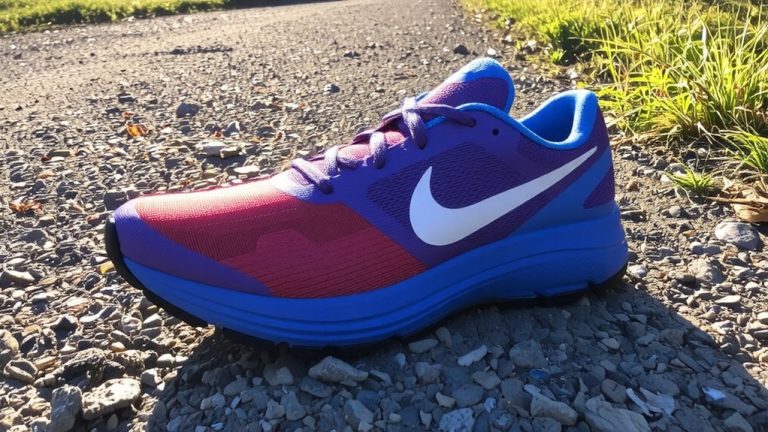
You’ve got the tools to get faster, starting with driving hard in the first 10 meters and staying tall at top speed. Do short hill sprints, plyo bounds, and flying 30s weekly, build power with jump squats, and pair resisted sled drags (20–30 lbs) with assisted band sprints. Recover fully-72 hours between intense sessions. Wear responsive trainers like Nike ZoomX Streakfly, eat 1.6g protein per kg daily, and stretch calves, hips, and glutes. Testers shaved 0.8 seconds off 40m times in 6 weeks.