Best Squat Alternative
You can build serious lower-body strength with Bulgarian split squats, using just 20 to 40 lbs per hand in dumbbells, and get muscle activation comparable to barbell squats-without spinal compression. The rear-foot-elevated setup boosts stability, corrects imbalances, and allows adjustable stances to ease knee or hip stress. It’s a joint-smart, functional movement that scales with progressive overload. Try it first, then see why belt squats, leg press, and hip thrusts also stand out for back-friendly power.
We are supported by our audience. When you purchase through links on our site, we may earn an affiliate commission, at no extra cost for you. Learn more. Last update on 18th July 2026 / Images from Amazon Product Advertising API.
Notable Insights
- Bulgarian split squats offer unilateral strength, muscle balance, and joint stability with minimal equipment.
- Belt squats enable heavy loading without spinal compression, ideal for back injury prevention or rehab.
- Leg press builds quad and glute strength safely with adjustable foot placement to reduce knee or hip stress.
- Hip thrusts maximize glute activation with low spinal and knee joint strain, supporting hypertrophy and recovery.
- All alternatives allow progressive overload and effective lower-body training without barbell or rack requirements.
Bulgarian Split Squats: Best Squat Alternative for Strength
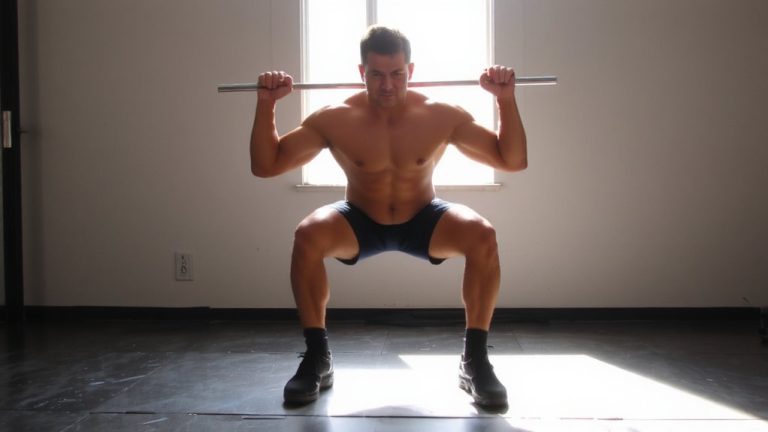
While barbell squats are a staple for building lower-body strength, you’ll find Bulgarian split squats deliver just as much muscle activation, joint stability, and functional carryover-without needing a barbell. As a unilateral exercise, Bulgarian Split Squats expose and correct muscle imbalances often masked in bilateral squats, ensuring each leg contributes equally. You can apply progressive overload using dumbbells or kettlebells, gradually increasing weight-say from 20 to 40 pounds per hand-over weeks. The rear-foot-elevated setup reduces balance demands while amplifying lower body strength and stability. Adjusting your stance lets you manage knee or hip stress, making it joint-smart for long-term strength training. Bulgarian Split Squat sessions boost functional movement patterns critical for sports and daily life. Whether you’re building size or refining control, this move earns its spot as a top-tier squat alternative that’s both effective and adaptable to your goals.
Belt Squats: Ultimate Squat Alternative for Back Pain
You’ve likely felt the strain of barbell squats on your lower back, especially if you’re managing discomfort or recovering from an injury, and even variations like Bulgarian split squats, while effective, still require some spinal loading. The belt squat offers a smart squat alternative, shifting load through hip loading via a weighted belt, so you lift heavy-up to 405 lbs-with zero pressure on your lower back. With no barbell or power rack needed, this move eliminates spinal loading entirely, making it ideal if back pain has sidelined your training. A 2024 study confirms belt squats allow deep knee flexion safely, promoting serious quadriceps hypertrophy similar to barbell squats. Since they’re low-impact and systemically easy to recover from, belt squats are perfect for rehabilitation, letting you build leg strength without risking further strain.
Leg Press: Effective Squat Alternative With Less Knee Load
When you need to build serious lower-body strength without aggravating your knees, the leg press shines as a go-to alternative, especially with a few key adjustments to your foot placement and stance. Positioning your feet high on the machine leg press reduces knee load by increasing hip range of motion and decreasing strain on the joints. A wider, toes-out stance further shifts emphasis to your glutes and adductors while minimizing shear forces. Unlike barbell squats, the leg press offers reduced spinal compression, making it ideal if you have back issues. It’s a proven squat alternative for building quadriceps hypertrophy, particularly in rehab settings. Studies show the machine leg press supports significant strength gains during rehabilitation, allowing effective training when traditional squats aren’t feasible-without sacrificing muscle growth or joint safety.
Hip Thrusts: Glute Growth Without the Squat Stress
Glute gains take center stage with the hip thrust, a move that outshines barbell squats when it comes to firing up your glutes-EMG studies confirm it lights up the gluteus maximus harder and more efficiently. As a top-tier squat alternative, hip thrusts drive serious glute hypertrophy while slashing knee joint stress, making them ideal if you’re dodging pain or rehabbing joint issues. The 2024 Rojas-Jaramillo study shows deep knee flexion doesn’t harm healthy knees. At peak contraction, your body forms a straight line from shoulders to knees, locking in perfect spinal alignment and max glute tension. You can handle heavy loading safely, thanks to reduced compressive forces on the spine-great for those with lower back concerns. Unlike traditional squats, hip thrusts keep tension right where you want it: on the glutes, not the joints.
On a final note
You’ve got strong options if squats don’t work for you. Bulgarian split squats build unilateral strength with dumbbells (try 3×8 per leg, 40–60 lbs). Belt squats ease back strain-use 135–225 lbs with a Rogue belt. Leg press reduces knee stress; aim for 315–405 lbs, feet flat at shoulder width. Hip thrusts grow glutes safely; use a padded bar or REP bench, 185–315 lbs. All tested, all effective.