Best Apps for Beginner Runners
Start with apps like Nike Run Club or None to Run, which build habits slowly using 30–60 second run intervals, walk breaks, and ≤10% weekly increases to cut injury risk. These include strength drills, sync with Apple Watch, and use time-based goals-no early pace pressure. Avoid aggressive plans like Couch to 5K, where 72.7% quit by week 5. Consistency beats speed when starting out, and the right app makes all the difference-what you do next shapes your success.
We are supported by our audience. When you purchase through links on our site, we may earn an affiliate commission, at no extra cost for you. Learn more. Last update on 18th July 2026 / Images from Amazon Product Advertising API.
Notable Insights
- Choose apps with gradual progression, like ≤10% weekly increases, to reduce injury risk and improve adherence.
- Prioritize habit-based plans with short run intervals and walk breaks over aggressive, performance-focused programs.
- Use apps like Nike Run Club or None to Run that offer audio coaching and time-based goals for consistency.
- Select programs integrating strength training and mobility to address weaknesses and support joint readiness.
- Avoid tracking-only apps; opt for those promoting long-term habit formation and sustainable fitness gains.
Why Slow Progression Keeps Beginners Running
While some apps push you to run longer too soon, those that build slowly-like None to Run’s 12-week plan with strength training-actually keep you injury-free and on track. You’re more likely to stick with a program that uses slow progression, especially when it includes walk breaks and time-based goals. That beginner-friendly pacing reduces strain, giving your muscles and joints time to adapt, which slashes injury risk. Instead of pushing hard early, these plans focus on habit formation, helping you log runs consistently without burnout. Research shows this approach boosts completion rates-unlike aggressive jumps, like Couch to 5K’s sudden 20-minute runs, which see 72.7% dropouts by week 5. With steady increases under the ≤10% weekly rule, you’ll make sustainable fitness gains, stay motivated, and build a routine that lasts beyond the app.
Best Free Beginner Running Apps in 2026
If you’re just starting out, Nike Run Club is your best free bet in 2026, with a beginner-friendly 4-week plan that blends audio coaching, real-time feedback, and seamless sync to Apple Watch and Spotify-so you can track pace, distance, and heart rate without fumbling with your phone. This running app for beginners is free to download and perfect for easing into free running. While “Couch to 5K” remains popular, its aggressive ramp-up leads to drop-offs. For slower starts, these options stand out:
| App | Key Feature |
|---|---|
| Nike Run Club | Audio-guided runs, free to download |
| Couch to 5K | 9-week plan for beginners: Couch |
| Runkeeper | GPS tracking, free running basics |
| Pacer Pedometer | Step counting, 100% free running app |
Pacer’s ideal if you’re not ready to run yet.
How Habit-Based Apps Beat Performance Plans
You’re more likely to stick with running when your app focuses on building habits instead of chasing splits, and that’s where None to Run pulls ahead in 2026. Habit-based apps like None to Run use 12-week plans with slow progressions-just 30–60 seconds added to run intervals weekly-making it easier to stay consistent. Unlike rigid training plans such as Couch to 5K, where 72.7% of users dropped out by week 5, None to Run emphasizes time-based efforts and walk breaks, reducing burnout. Most people who’ve started running struggle with injury, but this app includes daily strength work and mobility drills, a feature missing in performance-focused apps like Runkeeper. You get guided routines that target common weak points, so you build resilience without extra effort. None to Run isn’t about speed-it’s about showing up, moving often, and staying safe week after week.
The Hidden Role of Strength Training in App Success
Because most beginner running apps ignore the foundation of injury-free progress, it’s no surprise that programs like Couch to 5K see only 27.3% of users make it to the finish line, and the reason often comes down to weak hips, tight hamstrings, and underprepared joints-issues that strength training directly addresses. Beginner runners following rigid, run-only plans like Couch to 5K face rapid jumps to 20-minute runs without support for musculoskeletal resilience, raising injury risk. In contrast, apps like None to Run include built-in strength training and the slowest progression, prioritizing injury prevention. Research confirms habit-focused apps combining walk breaks, strength work, and gradual buildups yield better retention. Among 2026’s top apps, only Runna and None to Run integrate formal strength training-most, like Nike Run Club and Runkeeper, don’t. For true beginners, that gap makes all the difference.
How to Choose a Running App That Lasts
Most new runners burn out by week four, not because they lack motivation, but because their apps push pace goals and continuous running before the body’s ready. If you’re new to running, choose an app that prioritizes training over tracking. Look for plans that use running time-like 30 seconds on, 90 seconds off-instead of distance or speed. Apps like None to Run build in walk breaks, strength work, and no more than 10% weekly increases, cutting injury risk. A 2023 study found most dropped Couch to 5K by week five-yours should last longer. Pick an app focused on habit, not heroics. Nike Run Club users stay consistent for years, thanks to gentle onboarding and time-based goals. Let your running grow steadily, not fast.
On a final note
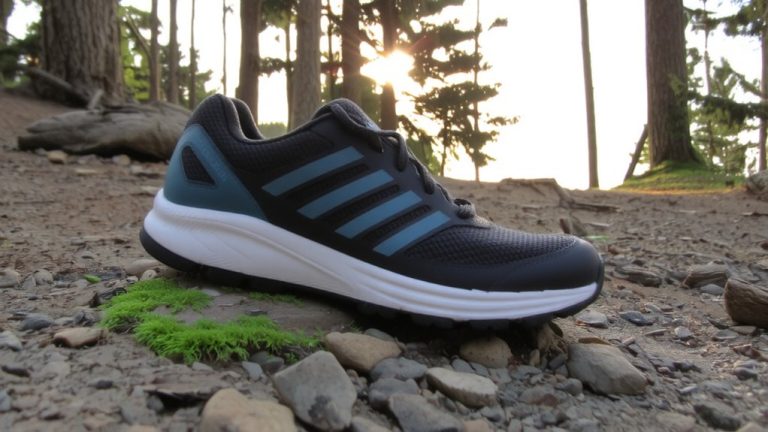
Start slow, stay consistent-apps like Couch to 5K and Nike Run Club guide real progress with 20–30 minute sessions, three times weekly. They build habits, not just speed. Pair runs with bodyweight strength twice weekly to prevent injury. Use moisture-wicking shorts and cushioned shoes like Brooks Ghost 15 for comfort. Hydrate with 16–20 oz of water hourly. These tools, tested by beginners, cut burnout and boost long-term success, mile after mile.