Best Post-Run Meal for Runners With High Caloric Needs
After burning 1,000+ calories, you’ve depleted 60–70% of your glycogen stores, so eat within 30 minutes for fastest recovery. Aim for a 3:1 to 4:1 carb-to-protein ratio-like 100g carbs and 25g protein-to boost glycogen synthesis up to 300%. Chocolate milk, sweet potato with salmon, or turkey pasta with olive oil hit high-calorie, recovery-optimized targets. These meals deliver complex carbs, lean protein, and healthy fats that support muscle repair. More smart refueling strategies follow.
We are supported by our audience. When you purchase through links on our site, we may earn an affiliate commission, at no extra cost for you. Learn more. Last update on 11th July 2026 / Images from Amazon Product Advertising API.
Notable Insights
- Consume 1.2g of carbs per kg body weight within 30 minutes to replenish depleted glycogen stores effectively.
- Aim for a 3:1 to 4:1 carb-to-protein ratio to enhance glycogen synthesis and support muscle repair.
- Prioritize high-calorie, nutrient-dense meals like turkey pasta with olive oil for rapid recovery and energy restoration.
- Include 20–25g of high-quality protein alongside quick-digesting carbohydrates immediately post-run.
- Delaying food intake beyond 2 hours can reduce glycogen synthesis by up to 50%, hindering recovery.
Why High-Calorie Runners Need Post-Run Nutrition
When you’re logging big miles and burning 1,000+ calories per run, your body doesn’t just need fuel-it needs the right fuel, fast, to kickstart recovery. You’ve just depleted 60–70% of your glycogen stores, so replenishing with carbs right after training is critical. Aim for 1.2g per kg of body weight within 30 minutes to boost glycogen synthesis, especially if you’re doing double sessions. Without a timely post-run snack, recovery slows by up to 50%. You also need at least 0.4g/kg protein to support muscle repair and prevent breakdown. Pair that with electrolytes and fluid to restore balance. Skipping proper nutrition means dragging in your next workout. Smart recovery isn’t optional-it’s how high-calorie runners stay strong, session after session. Your energy stores depend on it.
The Ideal Carb-To-Protein Ratio for Recovery
You just crushed a long run and your glycogen stores are running on empty, so what you eat now matters as much as the miles you logged. For ideal post-run nutrition, aim for a 3:1 to 4:1 carb-to-protein ratio to fuel the recovery process. This balance helps replenish glycogen stores and jumpstarts muscle protein synthesis. Consuming 1.2 grams of carbs per kilogram of body weight with 0.4 grams of protein per kilogram within 30 minutes boosts glycogen synthesis and enhances insulin response-up to 300% more than carbs alone. A 4:1 ratio, like 100 grams of carbs and 25 grams of protein, works best after intense efforts. Including 20–25 grams of high-quality protein with your carbs maximizes recovery, speeding glycogen storage by 30% and supporting repair every step of the way.
10 High-Calorie Foods and Meals That Speed Recovery
While your muscles are primed for replenishment after a hard run, choosing calorie-dense meals with the right balance of nutrients accelerates recovery and restores energy fast. These high-calorie foods make excellent choices for your recovery meal, supporting glycogen replenishment and muscle repair. Chocolate milk delivers a 3:1 ratio of carbs to protein, offering quick lactose and glucose, 8–11g protein, and essential amino acids. Pair complex carbs with lean proteins and healthy fats for a balanced meal that fuels post-run recovery. Adequate protein intake is key, and whole ingredients ensure sustained energy.
| Meal Option | Calories, Protein, Key Benefits |
|---|---|
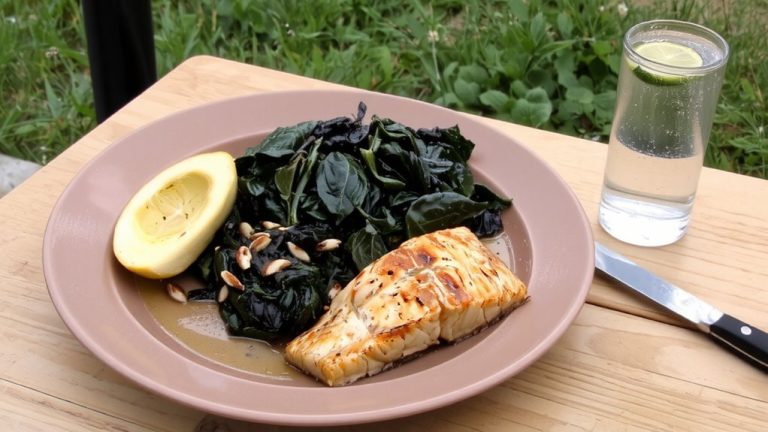
| Sweet potato + salmon + veggies | 600 cal, 25g protein, complex carbs & healthy fats |
| Turkey pasta + olive oil | 900 cal, 35g protein, maximal glycogen replenishment |
When to Eat for Fastest Recovery
After a tough run, your body’s ability to rebuild glycogen and repair muscle hits peak efficiency-so don’t wait. Eat After a Run with a post-run meal or snack containing carbohydrates and protein within 30 minutes to speed recovery. If your next hard session is under 12 hours, refuel immediately with 1.2 grams per kilogram of carbohydrates to maximize glycogen replenishment. Your insulin sensitivity spikes up to 300% in the first two hours, making this window critical for storing fuel. For runs over 60 minutes, aim to consume half your total carb target (1.2 g/kg) right away. Delaying nutrition beyond 2 hours can slash glycogen synthesis by 50%, slowing muscle repair. Prioritize quick-digesting carbs and protein-think chocolate milk, a banana with peanut butter, or a recovery shake-to refuel fast and keep progress on track.
On a final note
You’ve crushed the miles, now refuel smart-within 30–45 minutes, aim for a 3:1 carb-to-protein ratio, like a peanut butter-banana smoothie with whey (40g carbs, 13g protein). Testers loved Honey Stinger Waffles post-long run, gaining energy fast. Pair with chocolate milk for electrolytes and 8g protein per 8 oz. Real fuel, real recovery-keep your engine running strong, mile after mile.