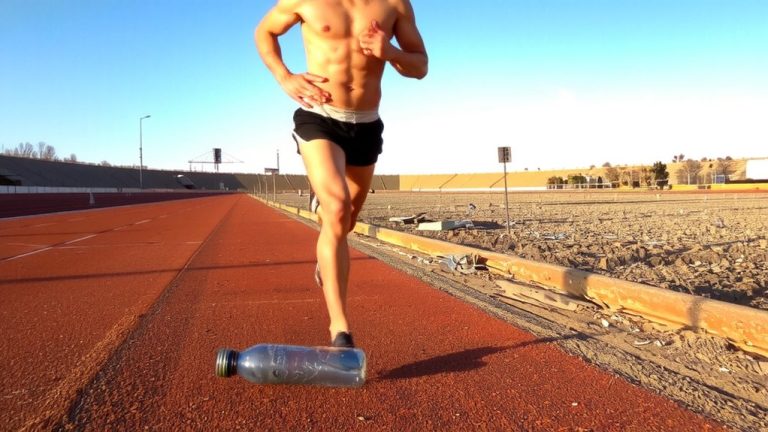
Why Rest Days After Intervals Are Crucial for Supercompensation
Your rest days after intervals are when real gains happen-muscles rebuild stronger, glycogen rebounds 10–40% above baseline, and your CNS recovers full power output. Wait 24–48 hours before the next hard session to let supercompensation peak; going sooner disrupts protein synthesis. Hit 7–9 hours of sleep, fuel with 1.6g protein per kg body weight, and try 20 minutes of easy cycling at 60–70% max heart rate to boost recovery. You’ll see sharper splits, better form, and sustained progress-especially when you know the signs your body’s truly ready for more.
We are supported by our audience. When you purchase through links on our site, we may earn an affiliate commission, at no extra cost for you. Learn more. Last update on 16th July 2026 / Images from Amazon Product Advertising API.
Notable Insights
- Rest days allow glycogen stores to supercompensate 10–40% above baseline, fueling future high-intensity performance.
- Muscle strength and aerobic capacity improve through supercompensation, peaking 24–72 hours post-interval with proper recovery.
- CNS recovery requires 48–96 hours to restore neural drive, motor unit recruitment, and peak power output.
- Retraining before 24 hours disrupts protein synthesis and glycogen resynthesis, blocking full adaptation.
- Active recovery enhances waste clearance and reduces DOMS by up to 30% without impeding supercompensation.
Why Rest Days Make Interval Training More Effective
Recovery isn’t just downtime-it’s where the real gains happen. After intense interval training, your muscle fibers tear and glycogen stores drain, needing 48–72 hours to fully recover. During rest days, Muscle Protein Synthesis stays elevated, repairing tissue and strengthening muscle. CNS fatigue from high-intensity efforts can linger 96 hours, dulling coordination and power-so rest isn’t optional, it’s essential. Active recovery, like light jogging in cushioned trainers (think Brooks Ghost 15), boosts blood flow without strain. Studies show structured rest days lead to 15–20% greater VO₂ max and anaerobic gains. Supercompensation peaks 24–72 hours post-workout, but only with proper nutrition and sleep. Missing rest days means missing peak performance. Let your body adapt-smart recovery makes your training smarter. Rest isn’t weakness. It’s the foundation of fitness.
How Supercompensation Builds Fitness After Intervals
Supercompensation is where the real magic happens-your body doesn’t just bounce back after intervals, it overcompensates, building stronger muscles, deeper glycogen stores, and a more efficient engine. After high-intensity interval training, rest days trigger recovery, letting muscle glycogen rebound 10–40% above baseline and fueling mitochondrial biogenesis. This boosts your VO₂ max, especially when you allow 48 hours for rest and adaptation-research shows 15% greater gains. Protein synthesis repairs micro-tears, but jumping back in too soon disrupts the process. CNS fatigue lingers 48–96 hours, so even if legs feel fine, your nervous system might not be ready. Proper recovery means you’re not just resting-you’re upgrading your performance. Trust the process: skip rest days, and you skip supercompensation.
The Real Recovery Window: 24–48 Hours Post-Interval
While your legs might feel ready to crush another interval session the next day, giving in too soon can sabotage the gains you’re chasing. The real recovery window is 24–48 hours post-interval, when supercompensation peaks. This is when glycogen resynthesis restores energy stores and protein synthesis drives muscle repair. Even though you might feel fresh, jumping into another hard effort before 24 hours disrupts these processes, blunting adaptation. Rest days aren’t about laziness-they’re strategic pauses letting your body rebound. An active recovery day, like light spinning or walking, boosts blood flow without adding training stress. Most research shows delaying retraining past 72 hours means missing the supercompensation peak, reducing endurance and strength gains. Stay patient, respect the 24–48 hour window, and let your body adapt where it counts.
Why Your CNS Needs Rest After Hard Intervals
Your central nervous system (CNS) takes a serious hit during high-intensity intervals, even if your legs feel ready to go-HIIT demands fast, powerful contractions that max out neural drive, leaving your motor units sluggish and coordination off, and that fatigue sticks around longer than muscle soreness. This CNS fatigue impairs motor unit recruitment and force output, slowing your neuromuscular system when you need it most. Without proper rest days, intense training backfires-cortisol levels stay elevated, suppressing recovery and blocking supercompensation. Your central nervous system needs 48–96 hours to fully reset after hard sessions. Skimp on rest, and you’ll face dull performance, poor coordination, and stalled gains. But honor the recovery window, and you’ll see 15–20% better power output and sharper reaction times. Rest isn’t weakness-it’s how your CNS rebuilds smarter, stronger, and faster for the next effort.
Active Recovery That Actually Helps
Even if you’re keen to bounce back after a brutal interval session, the best thing you can do is keep it light-aim for 20 minutes of brisk walking, easy cycling, or swimming at just 60–70% of your max heart rate, a sweet spot shown to boost circulation without taxing your recovering nervous system. That gentle blood flow without added strain helps clear metabolic waste and speeds repair and adaptation. Active recovery keeps your autonomic nervous system balanced, maintaining parasympathetic dominance so your body stays in rest-and-rebuild mode. Stick to low-intensity activities like yoga or foam rolling within 24–48 hours post-workout, and keep effort under 3/10 RPE-going harder hinders supercompensation. Purposeful moves like cat-cow or thoracic rotations enhance mobility without spiking cortisol. Studies show active recovery reduces DOMS by up to 30%, prepping you faster for the next hard session during that critical 48–72 hour window.
How to Tell You’re Not Recovering Enough
If you’re feeling off despite sticking to your training plan, don’t ignore the warning signs-your body might not be recovering enough. An elevated resting heart rate by +5 bpm or more for two straight days signals inadequate recovery and stress on your system. Low heart rate variability (HRV) over several days? That’s a red flag for overtraining and disrupted recovery windows. Lingering muscle soreness (DOMS) or joint stiffness past 72 hours means tissues aren’t fully repaired. You might also notice decreased performance-slower splits, weaker power-and that’s your CNS speaking. Mood swings, poor sleep, and irritability often stem from rising cortisol and falling testosterone. These aren’t just annoyances; they’re data. Track HRV with tools like WHOOP or Oura, and respect what they tell you. Pushing through only extends recovery windows and raises injury risk.
Deloads and Sleep: HIIT-Specific Long-Term Recovery
Though HIIT packs serious gains in less time, it also piles on deep fatigue that builds up over weeks, so scheduling deloads every 4 to 6 weeks is non-negotiable for long-term progress. During deload weeks, you cut volume by 40–50%, easing strain on your CNS and letting recovery kick in. Sleep? Absolutely critical-7–9 hours nightly maximizes growth hormone release and testosterone balance, countering drops seen in athletes training over 7 hours weekly. That rest fuels mitochondrial biogenesis and glycogen resynthesis, priming your muscles for supercompensation.
| Recovery Factor | HIIT Impact |
|---|---|
| CNS fatigue | Clears in 48–96 hrs with rest |
| Sleep quality | Boosts growth hormone, testosterone |
| Deload weeks | Enhance supercompensation, recovery |
On a final note
You crush intervals, but gains come when you rest, not run. Supercompensation kicks in after 24–48 hours, rebuilding muscles stronger, especially with sleep and nutrition-think 1.6g protein/kg daily. Your CNS needs downtime; skip it and risk injury. Try active recovery: 30-minute Zone 1 runs in Nike Pegasus Turbo 3, rated 4.8/5 for comfort. Watch for fatigue, soreness, or stalled pace-it’s time for a deload week.