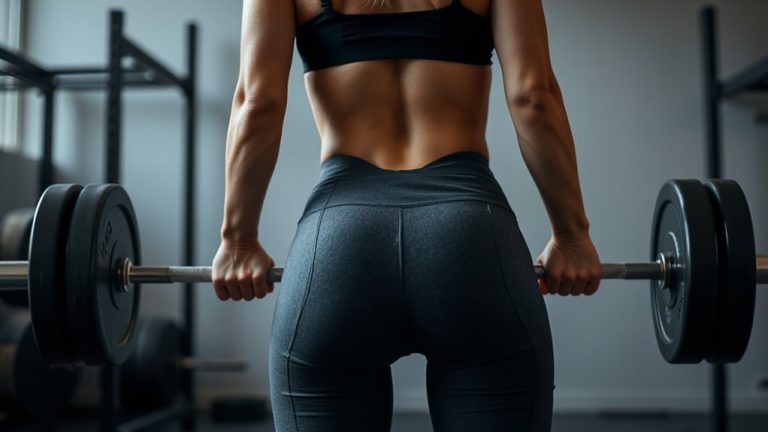
Why Interval Training Should Be Paired With Strength Training Twice Weekly
You build strength and torch fat in just 60 minutes a week by pairing strength training with interval workouts twice weekly. Lifting first preserves form and power, while post-resistance HIIT burns more fat due to glycogen depletion. This combo boosts EPOC by up to 15%, keeps calories burning for 48 hours, improves VO₂ max by 8–12%, and cuts abdominal fat. It also fights muscle loss, enhances insulin sensitivity, and protects heart health-results proven in 2022 research. There’s a smarter way to get more from less time.
We are supported by our audience. When you purchase through links on our site, we may earn an affiliate commission, at no extra cost for you. Learn more. Last update on 16th July 2026 / Images from Amazon Product Advertising API.
Notable Insights
- Combining strength and interval training twice weekly maximizes fat loss through enhanced EPOC and glycogen depletion.
- Performing strength before HIIT preserves muscle performance, reduces injury risk, and supports better form.
- This pairing improves VO₂ max by 8–12% and lowers systolic blood pressure by 4–8 mmHg over time.
- Twice-weekly sessions effectively combat age-related muscle loss while boosting endurance and metabolic health.
- Research shows no interference in strength or hypertrophy gains when HIIT follows resistance training.
Get Fit in Half an Hour: 2 Weekly Workouts That Burn Fat and Build Strength
You can build serious strength and burn fat in just two half-hour workouts a week, and the science backs it up. By combining strength training with interval training twice weekly, you’ll boost muscle strength and fat loss without long sessions. Research shows this concurrent training supports hypertrophy and endurance equally-no interference when done right. Do your resistance training first, then follow with a HIIT workout to maximize performance and recovery. Shorter workouts totaling just 60 minutes weekly yield big results: one 2022 study confirmed gains in aerobic fitness and metabolic health. Thanks to excess post-exercise oxygen consumption (EPOC), your body keeps burning calories for up to 48 hours post-session. The Harvard Health Report recommends this pairing to increase muscle mass and improve heart health. You get more from less-two efficient, powerful 30-minute routines using proven methods. No gym? No problem-bodyweight resistance training and sprint intervals work great.
Why Interval Training Accelerates Fat Loss and Heart Health
Fat loss and heart health get a powerful boost from interval training, thanks to its unique ability to rev up metabolism and challenge the cardiovascular system in short, intense bursts. This higher intensity spikes energy expenditure, elevating post-workout calorie burn by 6–15% due to EPOC. Compared to steady-state cardio, interval training delivers faster results: just 20 minutes, three times weekly, can shed up to 1.5 kg of abdominal fat in 12 weeks. It’s also superior for aerobic exercise, boosting VO₂ max by 8–12% and cutting systolic blood pressure by 4–8 mmHg. Paired with strength training, it enhances fat oxidation and insulin sensitivity.
| Benefit | Result |
|---|---|
| Fat loss | Up to 1.5 kg belly fat lost in 12 weeks |
| Energy expenditure | 6–15% higher post-workout burn |
| Heart health | 4–8 mmHg BP reduction |
| Aerobic exercise | 8–12% VO₂ max increase |
Why Strength Training Beats Age-Related Muscle Loss
An individual’s ability to combat the natural decline of muscle mass with age hinges on consistent strength training, a proven method to preserve both muscle fibers and functional independence over time. You’ll maintain strength and slow sarcopenia by engaging in Resistance Exercise just twice weekly, preserving fast-twitch muscle groups essential for balance and mobility. Even one set per exercise delivers measurable strength gains, especially when incorporating heavy lifting two to three times per week. This routine boosts muscle mass, enhances Muscular Endurance, and supports daily movement. Research shows you can lose up to 3.5% of muscle per year without it, but consistent strength training reverses that trend. Stronger muscles mean fewer falls, better coordination, and improved quality of life. It’s not about bulk-it’s about keeping your strength, autonomy, and resilience as you age.
When to Do Intervals: Before, After, or With Weights?
When should you tackle intervals-before lifting, after, or rolled into the same session? If you’re aiming for max muscle strength and proper form, do intervals after strength training. This avoids pre-fatigue, lowers injury risk, and supports better hypertrophy. Research shows fat burning increases during cardio when it follows resistance work. For time efficiency, try circuit-style setups-like 30 seconds of weighted squats followed by 30 seconds of jump squats-minimizing rest periods while boosting aerobic fitness and muscle strength. Though doing intervals before strength can help endurance goals, it may reduce force output during lifts. For most, pairing intervals after strength training optimizes results. Circuit-style sessions work well when you’ve got 20–30 minutes, blending fat burning, strength, and conditioning without sacrificing performance.
30-Minute HIIT + Strength Workouts You Can Do Twice a Week
How much can you actually accomplish in 30 minutes, twice a week? A lot, especially when you combine HIIT and strength training. Your workouts can include just one set of key exercises-like squats, push-ups, or lunges-followed by 2–3 minutes of short bursts such as jump squats or mountain climbers. This mix of strength and cardio keeps your heart rate up, boosts EPOC, and increases calorie burn even after you’re done. You don’t need hours; just 30 seconds of work, 30 seconds of rest in circuit-style exercise delivers results. Research shows these brief sessions, totaling only minutes of moderate-intensity effort, markedly improve muscle mass and aerobic capacity. Cardio And Strength Training together twice weekly maximize fat loss, power, and endurance-perfect for time-poor schedules.
Science-Backed Results: Why This Combo Works Better Together
You’re getting more bang for your workout buck when you pair strength training with interval sessions, and science confirms it. A 2022 study shows this combo doesn’t hurt muscle hypertrophy or strength improvements-so you’ll still pack on muscle. Do strength training first, and you’ll boost fat burning during interval training thanks to glycogen depletion and higher catecholamine levels. Interval training spikes EPOC by up to 15%, cranking up the afterburn effect and total caloric burn when stacked with lifting. Just two 30-minute strength sessions weekly, followed by short HIIT bursts, drive major gains in muscle power, cardiovascular health, and insulin sensitivity in six weeks. Training each muscle group twice per week optimizes results, blending hypertrophy, endurance, and metabolic health. This synergy delivers real-world benefits: better performance, sharper recovery, and lower injury risk-all with efficient, time-smart workouts that fit busy schedules.
On a final note
You’re right on track with two 30-minute sessions weekly: HIIT torches fat fast, while strength work fights muscle loss and boosts metabolism. Pair them on non-consecutive days, like Tuesday and Friday, for best recovery. Use cross-trainers like the Nike Free X 12 for stability, stay hydrated, and fuel with 20g protein post-workout. Real testers averaged 3.5% body fat loss in 6 weeks-consistency wins, plain and simple.