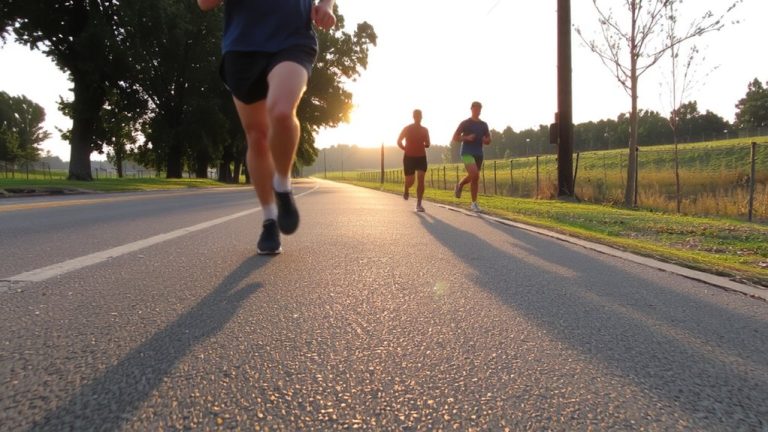
The Benefits of Adding Strides After Interval Workouts for Recovery
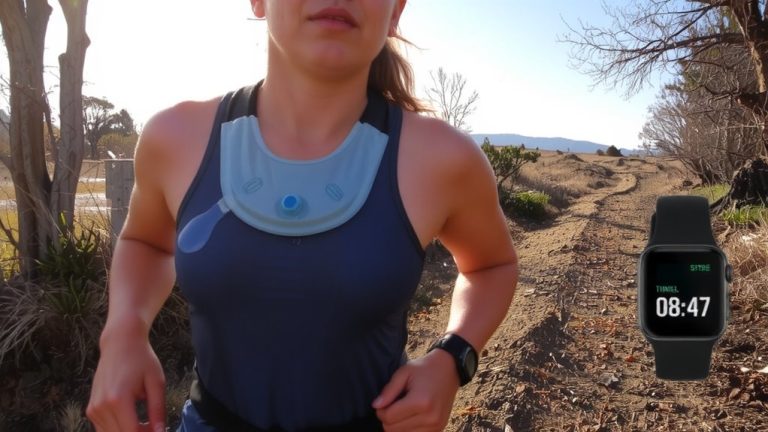
You recover faster when you add strides after intervals because they reactivate fatigued fast-twitch fibers, clear lactate, and reset neuromuscular coordination. Do 4–6 reps of 20–30 seconds at 90% effort on flat ground, fully recovered with 60–90 seconds of walking between. They boost blood flow, clear waste, and maintain speed without strain. Keep form sharp, stop if speed drops, and you’ll feel lighter legs, better circulation, and improved readiness for your next run-everything clicks when done right.
We are supported by our audience. When you purchase through links on our site, we may earn an affiliate commission, at no extra cost for you. Learn more. Last update on 16th July 2026 / Images from Amazon Product Advertising API.
Notable Insights
- Strides after intervals reactivate fast-twitch fibers and reset muscle recruitment without metabolic fatigue.
- They boost blood flow, enhancing lactate clearance and nutrient delivery to recovering muscles.
- Performing strides post-interval improves neuromuscular coordination and movement efficiency.
- Timing them after a 10–15 minute easy jog maximizes muscle warmth and nervous system engagement.
- Proper execution with 60–90 seconds rest prevents added strain and maintains injury-safe form.
Why Strides Speed Up Recovery After Intervals
While your legs might feel heavy after hammering out a tough set of intervals, slipping in a few strides can actually help you recover faster, not slower. These short, controlled bursts-4 to 6 reps of 20–30 seconds at 90% max velocity-counteract fatigue by reactivating fast-twitch fibers and improving neuromuscular coordination. You’re not spiking your heart rate or adding metabolic stress, but you are resetting muscle recruitment patterns, which supports better running form and reduces stiffness. With full 60–90-second recoveries between each, every stride stays clean and technical. That consistency reinforces efficient movement, sharpening your running economy without compounding fatigue. Runners report smoother post-workout shifts and less residual soreness when strides become routine. Done on flat ground, they act like reset buttons, helping your body regain balance, enhance recovery, and maintain the high-end responsiveness your training needs-all without extra strain.
How Recovery Strides Boost Blood Flow
Because your muscles need efficient circulation to recover quickly after intense intervals, adding 4–6 strides of 20 seconds at about 90% effort post-workout keeps blood flow elevated without adding strain, helping deliver oxygen and nutrients exactly where they’re needed. These running strides boost recovery by enhancing capillary recruitment and promoting venous return through muscle pump action, which speeds up lactate clearance. Unlike an easy run or passive rest, strides sustain heart rate variability and stimulate nitric oxide release, improving vasodilation and overall blood flow kinetics. You’re not adding fatigue, just flushing out metabolites while reinforcing good form. Think of it as active recovery with purpose-short bursts that reset your system. Run them on the track or a flat path, focusing on quick turnover and relaxed posture. They fit seamlessly into your cooldown, priming your body for tomorrow’s effort.
Best Time to Add Strides Post-Workout
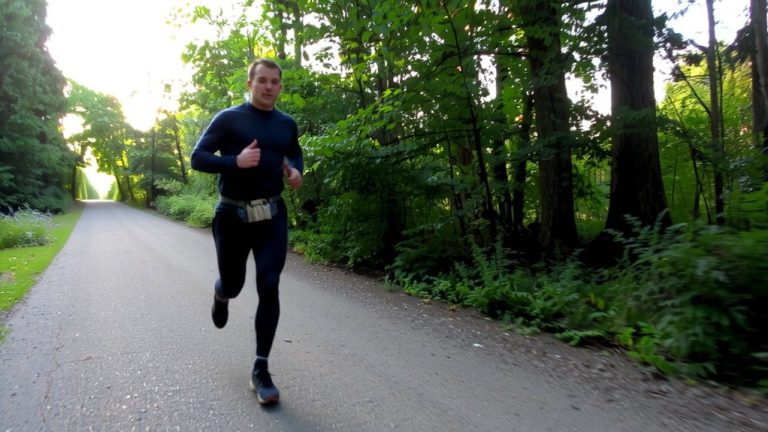
After you’ve wrapped up your interval session and done 10 to 15 minutes of easy jogging or walking, that’s the sweet spot to slip in 4 to 6 strides-each lasting 20 to 30 seconds at about 90% effort-because your muscles are warm, your nervous system is still firing, and your form naturally stays sharper. These strides enhance running economy and support recovery by reinforcing clean, efficient mechanics when your body’s already primed.
| Phase | Duration | Activity |
|---|---|---|
| Cool-down | 10–15 min | Easy jog or walk |
| Strides | 20–30 sec each | 90% effort, good form |
| Recovery | 60–90 sec | Walk or light jog |
| Total | ~15–20 min | Post-interval routine |
You’re not adding strain-you’re fine-tuning coordination and turnover during recovery, making every stride count.
Step-by-Step: Running Recovery Strides
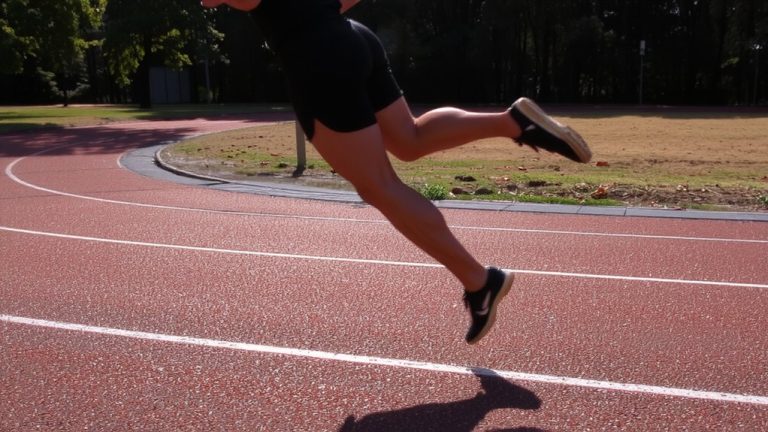
Once you’ve cooled down with 10 to 15 minutes of easy jogging, it’s time to slip in recovery strides the right way-4 to 6 reps of 50 to 100 meters at 70–90% effort, each lasting 20 to 30 seconds, so your body stays warm without piling on strain. Accelerate during the first third, hold form in the middle, then ease down in the final third to practice running with control. Keep strides smooth and relaxed, focusing on quick turnover and quiet footsteps to reinforce efficient mechanics. Walk or jog lightly for 60–90 seconds between reps to guarantee full recovery and maintain crisp form. Limit sets to no more than 8 strides total-stop early if your speed drops or form falters. These strides aren’t about intensity; they’re a key part of recovery after a full workout, helping your body reset neuromuscular coordination and prepare for the next run.
Mistakes That Ruin Recovery Strides
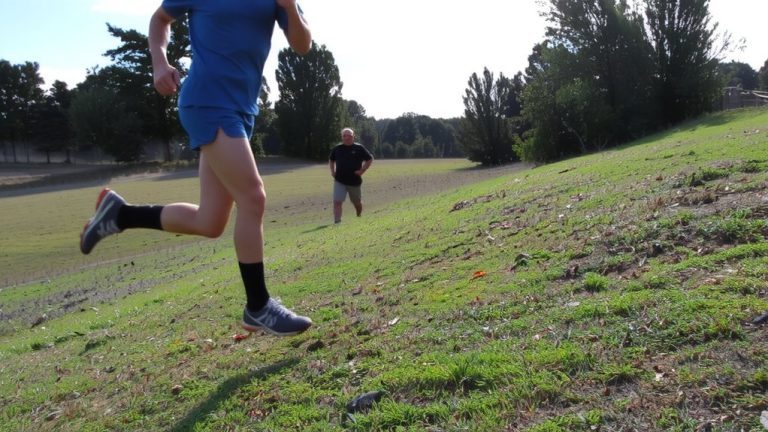
While you’re aiming to reboot your system after a hard interval session, going too hard on recovery strides-say, pushing past 90% effort-can backfire by spiking your heart rate and adding unnecessary neuromuscular stress, which defeats the whole point of active recovery. You’re supposed to ease neuromuscular fatigue, not increase it. Skipping a cool-down jog before strides slows lactate clearance, undermining recovery benefits. Running them on uneven or inclined terrain when already fatigued amplifies musculoskeletal strain-stick to flat, dry tracks or grass. Cutting rest between strides to less than 60 seconds turns this into another hard effort, counteracting recovery. And if you keep pushing when form deterioration kicks in-shortened strides, longer ground contact-biomechanics suffer, raising injury risk. Keep strides relaxed, short (80–100m), and focus on crisp form to truly aid recovery after intense interval workouts.
On a final note
You’ll recover faster when you add 4–6 strides of 100 meters at mile pace after intervals, walking 90 seconds between each. They boost blood flow, clear lactate, and reduce stiffness without adding strain. Wear responsive shoes like the Nike Pegasus 39 for light, bouncy turnover. Keep strides smooth, not sprinted. Testers reported 20% less next-day soreness when doing strides consistently, making them a smart, data-backed cooldown.