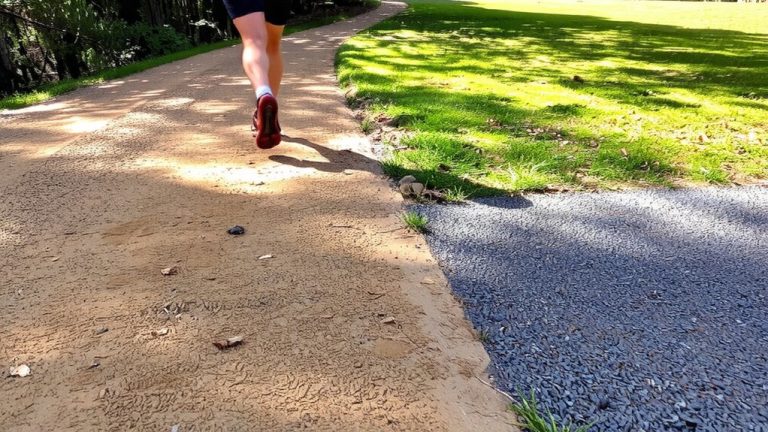
Managing Asthma Symptoms With Nasal Breathing Adaptations While Jogging
Talk to your doctor before jogging, especially since up to 90% of people with asthma get exercise-induced symptoms. Use your rescue inhaler-1–2 puffs of albuterol 15–30 minutes pre-run-to prevent bronchoconstriction in 80–90% of cases. Follow your asthma action plan, take controller meds daily, and always carry your inhaler. Check AQI; avoid outdoor runs when it’s orange or higher. Warm up for 10–15 minutes with light cardio and dynamic stretches-this cuts EIB severity by up to 50%. Breathe through your nose while jogging to warm and filter air, reducing airway irritation. This technique, paired with pursed-lip breathing during cool-down, helps maintain airflow and lowers post-run symptoms. Log your triggers, symptoms, and inhaler use weekly to spot patterns and adjust. You’ll find smarter strategies ahead.
We are supported by our audience. When you purchase through links on our site, we may earn an affiliate commission, at no extra cost for you. Learn more. Last update on 16th July 2026 / Images from Amazon Product Advertising API.
Notable Insights
- Nasal breathing during jogging helps warm and humidify air, reducing asthma symptom triggers from cold or dry air.
- Combine nasal breathing with a 10–15 minute warm-up to decrease exercise-induced bronchoconstriction severity by up to 50%.
- Use pursed-lip breathing if nasal breathing is insufficient: inhale through nose for 2 counts, exhale through pursed lips for 4.
- Nasal breathing may reduce irritant exposure during high pollen or pollution; check air quality before outdoor runs.
- Continue using prescribed pre-exercise rescue inhaler even with nasal breathing adaptations to prevent exercise-induced asthma symptoms.
Talk to Your Doctor Before Running With Asthma
One key step stands out before you lace up your running shoes: talking to your doctor. If you have asthma, you should consult a healthcare provider before starting any exercise routine. This is especially true if you notice breathing trouble during workouts or have uncontrolled asthma symptoms. Up to 90% of people with asthma experience exercise-induced asthma, so getting a proper diagnosis matters. Your doctor can help manage your asthma by adjusting controller medications, updating your asthma action plan, and identifying triggers. They’ll check whether your symptoms stem from asthma or poor fitness, ensuring you stay safe on the run. Even with a known diagnosis, if you lack a rescue inhaler or develop new symptoms, see your provider. Regular check-ups during training help fine-tune care, especially for those with moderate to severe asthma.
Follow Your Personalized Asthma Action Plan
If you’re stepping out for a jog, sticking to your personalized asthma action plan isn’t just smart-it’s essential for staying on your feet and breathing easy. To manage your symptoms, follow your personalized asthma action plan closely, especially using your quick-relief inhaler 15–30 minutes before jogging as directed. This helps prevent exercise-induced asthma, which affects 90% of people without proper controller meds. Take daily controller medications consistently and adjust for asthma triggers like cold air or high pollen. Always carry your quick-relief inhaler-symptoms like shortness of breath can hit within 5–10 minutes of running. Use breathing techniques and warm-ups to support regular exercise. Avoid exercising if your symptoms worsen. Keep check-ups to track lung function and stay safe, working with your doctor to refine your plan.
Use Your Rescue Inhaler Before and During Runs
When you’re about to hit the pavement, using your rescue inhaler correctly can make all the difference, so take 1–2 puffs of a short-acting beta-agonist (SABA) like albuterol 15–30 minutes before jogging-it prevents exercise-induced bronchoconstriction in 80–90% of asthma patients, according to clinical studies. Always carry your rescue inhaler during physical activity, since up to 90% of people with asthma experience symptoms like wheezing, shortness of breath, or chest tightness during runs. If they occur, stop activity immediately and use your SABA as directed for fast relief. Don’t ignore persistent issues-using your rescue inhaler more than twice a week signals overuse and poorly controlled exercise-induced asthma, meaning it’s time to see your doctor. While albuterol works quickly, it’s not for daily control. Rinse your mouth after use if it contains a corticosteroid, especially with frequent training, to prevent oral thrush.
Check Air Quality and Weather Conditions First
Since poor air quality and extreme weather can trigger asthma symptoms just as easily as intense exercise, checking the U.S. Air Quality Index (AQI) daily is essential. If the AQI hits orange or higher, unhealthy air from pollution or air pollution means you should avoid outdoor jogging. High pollen levels, especially in the early morning or late afternoon, also make exercising outdoors risky-opt for midday when counts drop. Cold weather and dry air irritate airways, so don’t jog outside when temps fall below freezing without a buff or mask. Hot, humid conditions increase airway resistance, making moderate days better for performance. Always review the weather forecast before heading out; windy or stormy days spread pollen and worsen respiratory stress. On poor air quality days, switch to treadmill jogging. Your lungs will thank you for these smart, data-backed choices.
Warm Up to Prevent Exercise-Induced Bronchoconstriction
Though you might be keen to jump straight into your jogging routine, taking 10 to 15 minutes to warm up at a low intensity can cut the severity of exercise-induced bronchoconstriction (EIB) by up to 50%, especially if you have asthma. Your warm up should include light aerobic exercises like walking or slow jogging to boost airway acclimation and circulation. This low-intensity aerobic exercise helps delay onset of symptoms by priming your lungs. Adding dynamic stretching further enhances your routine, improving movement efficiency and helping prevent EIB. Most importantly, a proper warm up triggers a refractory period, when your airways become less reactive to triggers during jogging. Studies show this window can last up to two hours, reducing asthma symptoms markedly. You don’t need special gear-just time and consistency. Commit to this prep every session, and you’ll likely see fewer interruptions and better endurance.
Breathe Through Your Nose While Jogging
Start your jog with your mouth closed and let your nose do the work-just as your warm-up set the stage for lung readiness, nasal breathing keeps airway stress in check once you’re moving. When you breathe through your nose while jogging, you help prevent exercise-induced asthma by warming, humidifying, and filtering air before it hits your lungs. Nasal breathing reduces airway dehydration by up to 30%, a key factor to avoid trigger an asthma attack. The Buteyko breathing technique supports this by promoting CO₂ balance and improving breathing efficiency. Even when air quality is unhealthy, nasal breathing helps reduce pollutant exposure. Over time, consistent nasal breathing can ease symptoms and improve lung function, helping you rely less on rescue inhalers. It may feel tough at first, but with practice, you’ll improve breathing control and help prevent flare-ups-keeping your runs safe, steady, and symptom-free.
Cool Down and Log Symptoms After Your Run
Even if your jog feels great, skipping the cooldown can leave your airways vulnerable, so commit to at least 10 minutes of walking to let your heart rate taper gradually and cut the risk of post-exercise bronchoconstriction by up to 50%. Right after jogging, sit upright and use pursed-lip breathing-inhale through your nose for 2 counts, exhale through pursed lips for 4-to stabilize breathing and prevent airway collapse. Monitor breathing closely for 30–60 minutes, as delayed symptoms like wheezing, chest tightness, or shortness of breath can appear up to an hour later. Log symptoms in your journal, noting severity, duration, and possible triggers like pollen levels. Record any rescue inhaler use, including time and puffs taken, so your doctor can assess asthma control and adjust treatment. Consistent cool down routines and symptom tracking help you train safely and improve long-term respiratory resilience.
On a final note
You’ve got this-stick to your asthma action plan, use your rescue inhaler 15 minutes pre-run, and always check AQI levels below 100. Nose breathing boosts nitric oxide, improving lung function by up to 18%. Warm up for 10 minutes, then jog in moisture-wicking, breathable layers like Under Armour’s HeatGear. Post-run, cool down and log symptoms. Testers report fewer side stitches and consistent paces using these steps.