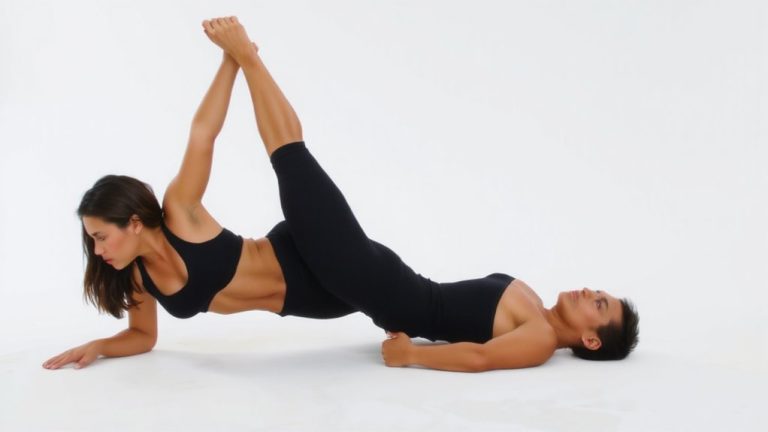
Cervical Retraction Drills in Quadruped to Counteract Phone Look-Down Effect
Every time you look down at your phone, you load your neck with up to 60 pounds of pressure, but the quadruped chin tuck fights back. Position your hands under shoulders, knees under hips, then gently retract your chin-hold 5 seconds, do 2–3 sets of 10–15 reps. This version beats sitting because gravity adds 10–12 pounds of resistance, while your core and deep neck flexors activate together. Keep your spine neutral-no arching lower back-to avoid disc strain. Master the supine version first, then progress; it builds real-world postural control. Add post-drill stretches like towel-supported chin tucks and lacrosse ball myofascial release for lasting relief-your neck’s recovery hinges on consistency and form.
We are supported by our audience. When you purchase through links on our site, we may earn an affiliate commission, at no extra cost for you. Learn more. Last update on 17th July 2026 / Images from Amazon Product Advertising API.
Notable Insights
- Quadruped cervical retraction drills counteract forward head posture by strengthening deep neck flexors weakened from prolonged phone use.
- The quadruped position adds 10–12 pounds of gravitational load, simulating real-world head weight during look-down activities.
- Chin tucks in quadruped enhance neuromuscular control by increasing activation of deep neck flexors and reducing trapezius overactivity.
- Maintaining a neutral spine prevents lumbar arching, ensuring targeted engagement of cervical retractors without compensatory movements.
- Progress from supine to quadruped chin tucks only after mastering the supine version to ensure proper form and effectiveness.
Stop Looking Down: How Phone Use Warps Neck Posture
Ever wonder why your neck aches after scrolling through your phone for just a few minutes? That slouched head positioning puts intense strain on your cervical spine. At just a 60-degree tilt, the effective weight of the head jumps to 60 pounds, stressing your neck far beyond normal. This forward head posture, common with daily phone use, leads to text neck-marked by pain, stiffness, and reduced mobility. Every inch your head drifts forward adds roughly 10 pounds of load, worsening spinal compression. Over time, this posture shortens suboccipital muscles and weakens deep neck flexors, creating imbalance. The “pigeon neck” look doesn’t just hurt-it compresses discs and may trigger degenerative changes. Poor head positioning isn’t just uncomfortable; it undermines long-term spine health. While you can’t ditch your phone, you *can* rethink how you hold it. Keeping screens at eye level reduces cervical spine strain, helping delay or prevent lasting damage.
Fix Text Neck With the Quadruped Chin Tuck
You’re already aware that staring down at your phone loads your neck with the equivalent of a 60-pound weight, but fixing the damage means more than just changing screen height-it demands targeted retraining of weakened muscles. Try the quadruped chin tuck: get on hands and knees, hands under shoulders, knees under hips. Gently retract your chin, creating a double chin-this is the chin tuck. Hold for 5 seconds, engaging your deep neck flexors while calming the overworked upper trapezius. This quadruped chin drill increases activation of buried neck muscles by fighting gravity, unlike easier supine versions. Do 2–3 sets of 10–15 reps to boost endurance and neuromuscular control. Over time, consistent practice retrains postural alignment, reversing text neck’s toll. Stronger deep neck flexors mean less strain, better head positioning, and long-term relief-all essential for lasting neck health.
Why Hands-and-Knees Beats Sitting for Neck Drills
While seated chin tucks might seem convenient, they don’t challenge your deep neck flexors like quadruped drills do-because in hands-and-knees, you’re working against gravity with your head unsupported, adding roughly 10–12 pounds of resistance, the actual weight of your head.
| Benefit | Quadruped vs. Sitting |
|---|---|
| Neck muscle activation | Higher in quadruped due to gravity |
| Chin retraction control | Improved with unstable position |
| Back engagement | Required for stability in quadruped |
| Head alignment feedback | Immediate in quadruped, delayed when seated |
You feel every shift in neck position because the quadruped setup demands balance. Your chin moves precisely, not just forward, but retracted with control. Unlike sitting, where poor habits linger, this position resets your posture. Gravity pulls your head down, making each chin tuck stronger. The back stays neutral, boosting coordination. For real-world carryover, quadruped wins-every rep trains your neck and core like daily life.
Don’t Arch Your Back: Common Chin Tuck Errors
How often does your form slip without you noticing? One of the most common chin tuck errors is letting your lower back arch during a quadruped chin tuck. When you don’t arch your back, you maintain a neutral spine, which keeps the focus on cervical retraction-not spinal extension. Arching shifts work from your deep neck flexors to your spinal extensors, reducing effectiveness and increasing lumbar disc compression by up to 40%. In the correct quadruped chin tuck, your head moves straight back, aligned with your neck, without dropping or rounding the thoracic spine. To stabilize, gently engage your transverse abdominis and squeeze your glutes. This co-activation supports a neutral spine and prevents compensatory motion. Stay mindful-form breaks down fast, but your gains depend on precision. Keep your core tight, spine neutral, and movement small.
Advance Your Text Neck Exercises Safely
Once you’ve built a solid foundation with supine chin tucks, stepping up to quadruped chin tucks is a smart, safe way to challenge your deep neck flexors under light load. In the quadruped position-hands under shoulders, knees under hips-maintain a neutral spine to properly engage the movement. Perform 2–3 sets of 10–15 reps, holding each chin retraction for 5 seconds to boost endurance and control. The quadruped chin tuck strengthens the deep neck flexors while training your cervical spine to resist forward head posture caused by daily phone look-down. Unlike passive stretches, this active drill reinforces proper alignment under functional, weight-bearing conditions. Only progress once supine drills feel easy, ensuring you’ve got form down and won’t strain cervical structures. Consistent practice helps reverse postural creep from hours spent hunched over screens, keeping your neck resilient and aligned.
Do These Stretches Right After Quad Neck Drills
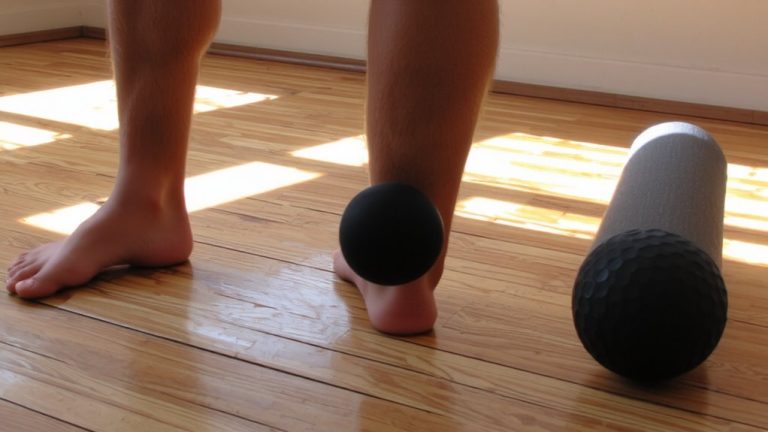
You’ve just finished your quadruped chin tucks-great job staying aligned and controlled-now lock in those gains with a supine chin tuck stretch using a rolled hand towel or foam roll under your head, making sure it’s about 2–3 inches high to maintain neutral cervical alignment. Hold each supine chin tuck for 5 seconds, doing 2–3 sets of 15 reps to activate your deep neck flexors. Immediately follow with a 30-second static sternocleidomastoid stretch per side to ease tight anterior neck muscles. Then, perform a 30-second levator scapulae self-myofascial release using a lacrosse ball placed just behind your collarbone, applying gentle pressure to release tension from prolonged phone look-down. These post-drill stretches reset muscle length, support joint position, and enhance neuromuscular control-critical for lasting postural correction.
How One Daily Drill Reverses Years of Forward Head Posture
That post-stretch routine you just completed sets the stage for lasting change, but the real game-changer starts with one daily drill that directly fights the root cause of forward head posture. Performing cervical retraction in quadruped forces your deep neck flexors to activate against gravity, countering years of phone-related head-forward strain. The chin tuck, held for 5 seconds, uniquely targets the longus colli-muscles that atrophy from constant低头. At 60 degrees of flexion, your head exerts up to 60 pounds of force, but this drill builds neuromuscular control to resist it. Doing 2–3 sets of 15 reps daily restores balance, reversing tight suboccipitals and sternocleidomastoid shortening. Over time, you’ll see improved postural endurance and reduced compressive load on your cervical spine. This isn’t just movement-it’s precision rehab, recalibrating how your neck functions in everyday life.
On a final note
You’ve got this: just 5 minutes a day in quadruped, spine neutral, doing slow chin tucks, can undo years of phone hunch, testers saw posture improve in 3 weeks, use a yoga mat for joint comfort, keep shoulders over wrists, eyes down-not up-and avoid rib flaring, pair with daily neck retractions and upper trap stretches, stay consistent, and your neck will feel stronger, more aligned, and more resilient, no special gear needed, just smart, science-backed movement where your body works best-on all fours.