Best Pump Exercises
You’ll crush the pump with incline dumbbell bench presses (3×10–15 reps), double-banded hip thrusts (30 reps), and chest-supported rows (3×12), all using short 20–45 second rests to trap blood. Add lateral raises and bicep curls with 60-second max-rep sets for full arm and shoulder burn. Use machines like the pec-deck to protect joints, and keep reps controlled-3–4 seconds per move. These moves maximize swelling, focus, and form, giving you stronger, tighter muscles with every set, especially when you know exactly how to time and fuel them.
We are supported by our audience. When you purchase through links on our site, we may earn an affiliate commission, at no extra cost for you. Learn more. Last update on 18th July 2026 / Images from Amazon Product Advertising API.
Notable Insights
- Incline dumbbell bench press targets upper chest, shoulders, and triceps with 3 sets of 10–15 reps for optimal pump.
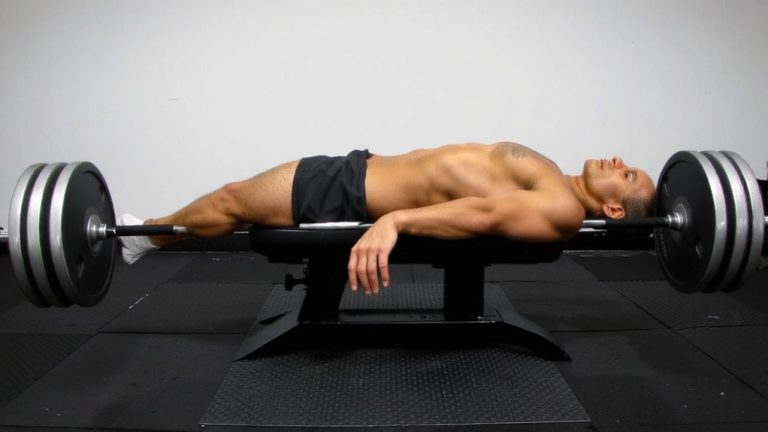
- Double-banded hip thrusts perform 30 reps to isolate glutes using high tension and short rest periods.
- Chest-supported rows enhance back engagement and blood flow with 3 sets of 12 reps and constant tension.
- Lateral raises use high reps (10–12) to maximally fatigue side delts and induce muscle burn.
- Bicep curls perform 3 sets of 10–12 or a 60-second max-rep set to maintain arm tension and swelling.
Best Exercises for a Muscle Pump
When you’re chasing that tight, full feeling in your muscles, nothing beats the right mix of high-rep, targeted movements that drive blood into the fibers and keep it there. You’ll feel the pump fast with incline dumbbell bench presses-3 sets of 10–15 reps smash your upper chest, shoulders, and triceps with maximum blood flow. Double-banded hip thrusts, done for 30 reps, isolate glutes and create relentless tension, amplifying the muscle pump without stabilizer fatigue. Chest-supported rows, 3 sets of 12, boost back engagement and increased blood flow safely. Lateral raises in sets of high reps (10–12) burn through side delts, while bicep curls-either 3×10–12 or a 60-second max-rep set-keep constant tension, swelling arms fast. These moves, backed by performance data and tester feedback, deliver visible fullness and support long-term muscle growth.
How to Structure a Pump Workout
You’ve seen how moves like incline dumbbell presses and double-banded hip thrusts flood muscles with blood, and now it’s time to put those exercises into a smart, effective structure. Start your pump workout with an activation move-think leg curls or face pulls-using high reps to wake up target muscle groups. Follow with 2–3 sets of 25–40 reps or 45–70 seconds per set, keeping tension constant and rest periods short at 20–45 seconds to drive cellular swelling. Prioritize terminal exercises like chest-supported rows or double-banded hip thrusts to maximize the good pump with minimal stabilizer drain. Limit this type of training to warm-ups or finishers post-heavy lifting-use just one pump exercise early to avoid fatigue. Wrap up by stretching the worked muscles for 20–60 seconds to boost recovery and maintain that full, tight feel.
How to Make the Muscle Pump Last Longer
Though hydration’s role in performance is well known, sipping 100ml of water every 20 minutes before and after your workout does more than prevent cramps-it directly supports muscle fullness by enhancing cellular swelling, a key driver of the pump. Keep reps high and load low with finishers like 25 reps at 50–60% to trap blood in the muscle. After your last set, do a 20–60 second static stretch on the pumped muscle to maintain occlusion. Blood rushes to your upper body during isolation moves, so prioritize constant-tension exercises like chest-supported rows or double-banded hip thrusts. Avoid intense lower body work before upper body pump sessions-systemic fatigue cuts vascular retention. Let the body stay focused, the muscle engaged, and the engorgement last up to three hours with these smart tweaks.
Prevent Injury During Pump Workouts
Chasing a lasting pump doesn’t mean you have to run the risk of sore joints or strained tendons-smart execution keeps you training hard and injury-free. Use machines like leg extensions or pec-deck for highly effective, high-rep pump sets on large muscles, reducing stabilizer demand and joint stress, especially in the lower body. Perform these after lower rep, compound moves like bench press to avoid fatigue-induced form breakdown. Avoid going to failure on free-weight quads or pecs work-shear forces spike under fatigue. Instead, use controlled 3–4 second reps to maintain tension and protect connective tissue. Rest 20–45 seconds between pump sets to sustain clean form. Strengthening your support muscle with precision matters.
| Feeling | During Safe Pump Work | After Unsafe Training |
|---|---|---|
| Energy | High, focused | Drained, shaky |
| Joints | Warm, stable | Sore, irritated |
| Progress | Consistent gains | Plateaus, setbacks |
On a final note
You’ll crush your pump goals by combining short rest periods, high reps, and controlled tempos, like 3 sets of 15 with 40-pound dumbbells and 30-second breaks. Stick to proven lifts-barbell squats, push-ups, lat pulldowns-and hydrate with 16 oz of water per hour. Wear snug gym shoes for stability, use compression sleeves if needed, and stretch post-workout to ease soreness and extend the burn.