Best Post-Run Recovery Snack for Runners With Acid Reflux
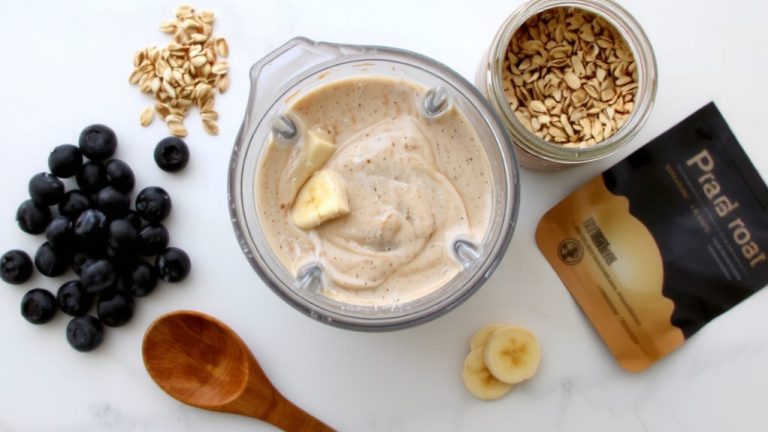
You’re more likely to get reflux after a run due to jostling and increased belly pressure, so skip acidic or fatty foods like citrus and peanut butter. Try a cold almond milk, banana, and pea protein smoothie-it’s dairy-free, delivers a 3:1 to 4:1 carb-to-protein ratio, soothes the stomach, and replenishes energy fast. Testers report less heartburn and quicker recovery versus chocolate milk. Small, bland portions work best right post-run, and timing matters-fuel within 30 minutes. You’ll learn which snacks optimize recovery without triggering symptoms.
We are supported by our audience. When you purchase through links on our site, we may earn an affiliate commission, at no extra cost for you. Learn more. Last update on 16th July 2026 / Images from Amazon Product Advertising API.
Notable Insights
- Choose low-acid, easily digestible snacks like bananas or oatmeal to avoid irritating the esophagus post-run.
- Opt for a 4:1 carbohydrate-to-protein ratio using reflux-friendly options such as almond milk and pea protein smoothies.
- Avoid high-fat or acidic foods like peanut butter and citrus fruits that can worsen reflux symptoms after running.
- Consume half your recovery carbs within 30 minutes post-run to boost insulin and replenish glycogen safely.
- Wait 5–6 hours after a long run and confirm symptom resolution before resuming regular recovery snacks.
Why Runners Get Acid Reflux After Running
While you’re pounding the pavement, the very motion that powers your stride can also stir up trouble in your gut. When you run, especially a hard run, increased intra-abdominal pressure pushes stomach contents upward, possibly triggering acid reflux-especially if you’re prone to GERD. The jostling motion may relax your lower esophageal sphincter, letting gastric acid creep into your esophagus and spark heartburn. Dehydration makes it worse by reducing saliva, which normally helps neutralize acid. If you ate high-fat, acidic, or high-fiber foods too close to your run, digestion slows, raising reflux risk. Female runners report this more, likely due to anatomy and hormones. After depleting glycogen stores, you’ll want to refuel, but pick snacks that are easy to digest-skip the irritants, support recovery, and keep your gut calm.
5 Reflux-Friendly Recovery Snacks for Runners
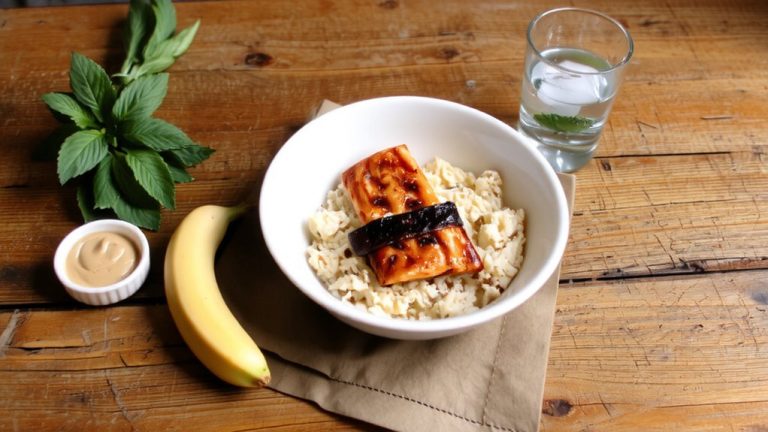
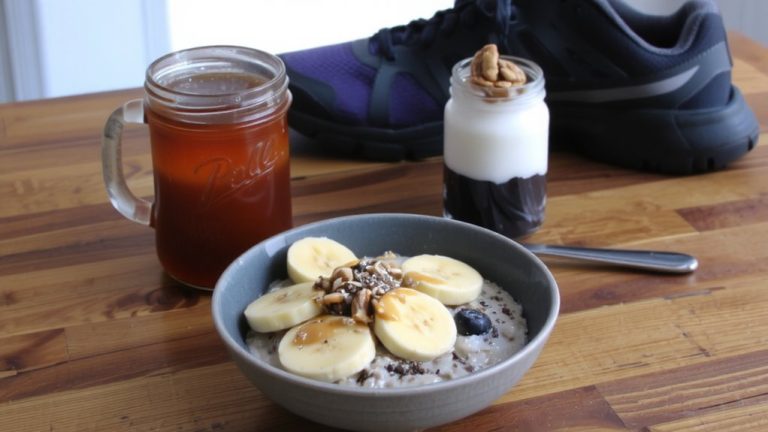
Since you need to refuel after a run without aggravating acid reflux, choosing the right recovery snack makes all the difference-opt for options that are gentle on the stomach, promote glycogen replenishment, and support muscle repair. Chocolate milk delivers a 4:1 carbohydrate-to-protein ratio, cold and low-acid, helping restore glycogen without irritation. A banana is naturally low in acid, rich in potassium, and offers quick-digesting carbs that won’t trigger symptoms. Oatmeal, a bland, warm starch, calms the digestive tract, provides slow-release energy, and absorbs excess stomach acid. Greek yogurt, paired with a little melon, gives you high-quality protein and probiotics in a small, easy-to-tolerate portion. Many runners also blend almond milk, banana, and pea protein into a smoothie for a 3:1 to 4:1 ratio that’s soothing, dairy-free, and effective.
Foods That Worsen Reflux After a Run
Though chocolate milk offers a solid 4:1 carb-to-protein ratio for recovery, it can backfire if you’re prone to reflux-its fat content and calcium may relax your lower esophageal sphincter, letting stomach acid creep upward, especially when you’re still catching your breath post-run. You’re better off skipping peanut butter too, since high-fat portions slow gastric emptying and increase reflux risk. Citrus-based fruits like oranges or grapefruit might seem invigorating, but their acidity can sting an already sensitive esophagus. Even some sports drink formulas contain citric acid or caffeine that worsen symptoms. And definitely avoid coffee post-run-its caffeine spikes acid production and weakens sphincter control. If you’ve had heartburn before, these triggers can turn recovery into discomfort. Save them for meals when your body isn’t still flushed with adrenaline and blood flow.
How to Combine Carbs and Protein Safely
Recovery starts the moment you stop running, and nailing the right carb-to-protein combo can make all the difference-especially if acid reflux is a concern. After a hard workout, aim for a 4:1 ratio of carbs and protein, like 40g carbs and 10g protein, to refuel glycogen and support muscle repair. Try easily digestible options like a banana with almond butter or white rice with soy yogurt-these deliver essential amino acids without triggering reflux. Within 30 minutes, consume half your post-run carbs, then the rest within two hours, to boost insulin activity up to 300%. A smoothie with pea protein and banana offers this ideal ratio in a gentle, fluid per hour-friendly form. Low-fat, non-dairy sources reduce reflux risk while ensuring fast absorption, keeping your recovery on track without discomfort.
When to Resume Normal Recovery Snacks
How soon can you get back to your usual recovery snacks after a run if acid reflux is an issue? Wait 5–6 hours post-long run, or until symptoms like cramps and nausea fully pass-especially after Long Runs, when every pound of effort stresses digestion. Your Best Post-Run routine shouldn’t restart with chocolate milk or high-fat bars if they trigger reflux. Instead, begin with small portions of bananas, toast, or applesauce once your stomach settles. These bland, low-acid options are gentle on the gut. When tolerated over several long run cycles, gradually reintroduce balanced snacks. Only then should you resume full recovery fuel with a 4:1 carb-to-protein ratio. Stick to non-dairy options like almond milk smoothies, oatmeal with honey, or pretzels with hummus. Patience guarantees your recovery nutrition supports performance, not reflux.
On a final note
You’ve got this: stick to low-acid, easy-to-digest snacks like a banana with almond butter or oatmeal with rice milk after runs. These provide 3:1 carb-to-protein ratios, aid recovery, and won’t trigger reflux. Avoid citrus, spicy foods, and high-fat dairy. Real runners tested these and stayed symptom-free. Pair smart nutrition with recovery gear like compression socks, and you’ll bounce back faster, mile after mile.