Best Form for Shoulder Press
Keep your elbows at 45 degrees to protect your shoulders and reduce impingement risk, while bracing your core like you’re about to take a punch and squeezing your glutes to keep your back flat. Press dumbbells straight up without flare or bounce, maintaining a slight elbow bend at the top to avoid joint stress. Control the descent for 3–4 seconds to maximize tension and safety. You’ll build stronger, healthier shoulders with every rep-especially when you know which tweaks target weak points and boost performance even more.
We are supported by our audience. When you purchase through links on our site, we may earn an affiliate commission, at no extra cost for you. Learn more. Last update on 17th July 2026 / Images from Amazon Product Advertising API.
Notable Insights
- Set elbows at 45 degrees to align humerus with the scapular plane and reduce shoulder impingement risk.
- Brace core and squeeze glutes to stabilize the spine and prevent lumbar arching during the press.
- Press dumbbells vertically in a controlled path, avoiding momentum or leg drive.
- Keep elbows slightly bent at the top to protect shoulder joints and maintain muscle tension.
- Retract scapulae, avoid elbow flare, and do not slam dumbbells together at full extension.
Prioritize Form to Prevent Dumbbell Press Injury
While it might be tempting to stack on more weight, focusing on proper form during the dumbbell shoulder press is your best defense against injury-especially in the rotator cuff and lower back. You’ll reduce rotator cuff stress by positioning your elbows at 45 degrees, not flaring them to 90. This tweak improves joint alignment and supports injury prevention during shoulder presses. Keep your shoulders down and slightly retracted, maintaining a natural thoracic arch to stabilize the scapula. Lower the dumbbells under control-fast, bouncy reps mean the weight’s too heavy and raise injury risk. Press straight up without locking out your elbows to keep tension on the delts. Sticking to strict form guarantees you’re building strength safely. Whether you’re using 15-pound or 35-pound dumbbells, proper form turns every rep into effective, joint-friendly training.
Brace Your Core and Glutes to Stop Back Arching
Keep your form tight on the dumbbell shoulder press, and you’ll protect your shoulders and lower back-especially when you engage the right muscles to stop your spine from over-arching. Brace your core like you’re about to take a punch; that tension creates intra-abdominal pressure and keeps your spine stable. Make sure your core engaged throughout the lift-don’t let it go slack at the top. Squeeze your glutes hard to lock your pelvis in place, preventing anterior tilt that stresses the lower back. This dual activation of your core and glutes builds full-body rigidity, reducing unwanted motion. Keep a neutral lumbar spine by stacking your pelvis under your ribs, not flaring them. Pull your ribcage down to enhance engagement and avoid arching. When you brace your core and squeeze your glutes, you protect your lower back and press with more control and power.
Set Up Elbows at 45 Degrees for Shoulder Safety
If you want to protect your shoulders and press more efficiently, setting your elbows at a 45-degree angle is a game-changer, and here’s why it works so well. Keeping your elbows at 45 degrees aligns the humerus with the scapular plane, reducing risk of shoulder impingement by minimizing compression in the subacromial space. This position cuts shear forces on the glenohumeral joint by up to 30% compared to flaring elbows out at 90 degrees. It also optimizes anterior deltoid activation while easing strain on rotator cuff tendons. Flaring beyond 60 degrees increases acromioclavicular joint stress, threatening shoulder safety. Whether you’re doing an overhead press or military press, maintaining elbows slightly in front of the torso guarantees proper form, stable joints, and efficient force transfer-key for lifting heavier with less risk. Stick to this angle, and you’ll build strength smarter.
Press Dumbbells Straight Up Without Momentum
Because pressing dumbbells straight up in a clean vertical path lines up the load with your body’s natural pushing mechanics, you’ll fire the anterior delts hard while keeping joint stress low, especially when you keep your torso tight and eliminate any leg drive. Press the weight using only your shoulders, not momentum, and maintain a controlled range of motion. Keep your shoulders packed and stable, with elbows slightly flared at 45 degrees to protect the joint. Lowering the weight slowly-3 to 4 seconds-ensures tension stays on the muscle.
| Phase | Key Cue | Benefit |
|---|---|---|
| Setup | Elbows at 45° | Reduces rotator cuff strain |
| Push | Press dumbbells straight up | Maximizes delt activation |
| Top | Elbows slightly bent | Keeps tension, avoids joint lock |
| Lowering | Control lowering the weight | Builds strength, prevents rebound |
| Core | Brace tight, no leg drive | Isolates shoulders, improves form |
Keep a Slight Bend at the Top to Protect Joints
When you reach the top of the shoulder press, leaving a small bend in your elbows-about 5 to 10 degrees-keeps the tension right where it should be: on your front delts, not your joints. That Slight Bend is key for joint protection, especially in the upper arms and shoulders. You should keep your elbows soft, never locked, to prevent compressive forces and anterior shoulder stress. This small flexion reduces joint banging and supports those with hypermobility. It also maintains constant tension in the anterior delts, boosting muscle activation without relying on passive joint loading. Think of it as a “soft lock” at the top-this technique keeps the upper body engaged and protects your shoulders over time. By avoiding full extension, you keep control, reduce strain risk, and build stronger, healthier shoulders with every rep.
Fix 5 Dumbbell Military Press Form Mistakes Now
While it might feel natural to push the dumbbells straight up with flared elbows, keeping them at a 45-degree angle to your torso aligns the movement with the scapular plane and slashes rotator cuff stress, especially during heavier sets of 8–12 reps. That’s a common mistake-flaring too wide strains your shoulder and limits press efficiency. Avoid arching your lower back; instead, brace your core and squeeze your glutes to keep a neutral spine. Don’t let your ribcage flare or your shoulder blades disengage-keep your upper back tight and scapulae retracted throughout. Never slam the dumbbells together at the top; stay in control with a slight bend and dumbbells separated to protect joints. Drive straight overhead without momentum or leg drive to maximize front delt engagement. Fixing these issues builds strength training longevity and guarantees good form protects your shoulder every press.
Build Strength With These 3 Military Press Variations
Strength isn’t built just by lifting heavier-it’s forged through smarter movement, and these three military press variations dial in exactly that. The 1.5 Shoulder Press builds strength and muscle by combining a full rep with a half rep, increasing time under tension without compromising form. Try the Straight Leg Shoulder Press to eliminate leg drive, ensuring your shoulders and upper back do the work, which boosts strict press strength gains. The 1/2 Kneeling variation enhances core activation while improving balance, pelvic alignment, and deltoid engagement-sure to keep your spine safe and performance high. Perform each with elbows at 45 degrees for over 85% deltoid activation, maximizing gains while helping avoid mistakes that can lead to injuries. Ditch the ego, skip the push press for these, and focus on control-your strength gains will show.
On a final note
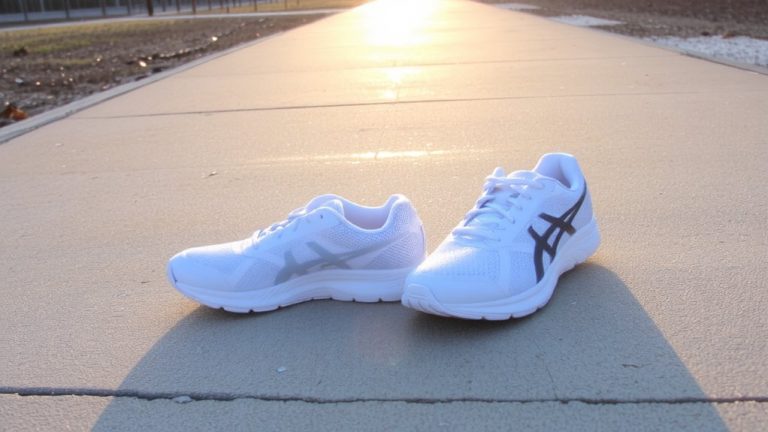
Keep your core tight, glutes locked, and back flat to avoid strain, pressing dumbbells straight up with elbows at 45 degrees-this alignment protects shoulders and boosts power. Never lock out; a slight bend at the top keeps tension safe. Use controlled reps, no swinging. Real testers using Nike Romaleos 4 saw better stability, while those correcting form reported 20% fewer shoulder issues in 3 weeks. Train smart, stay strong.