Why Avoiding High-Protein Meals Before a Run Prevents Fatigue
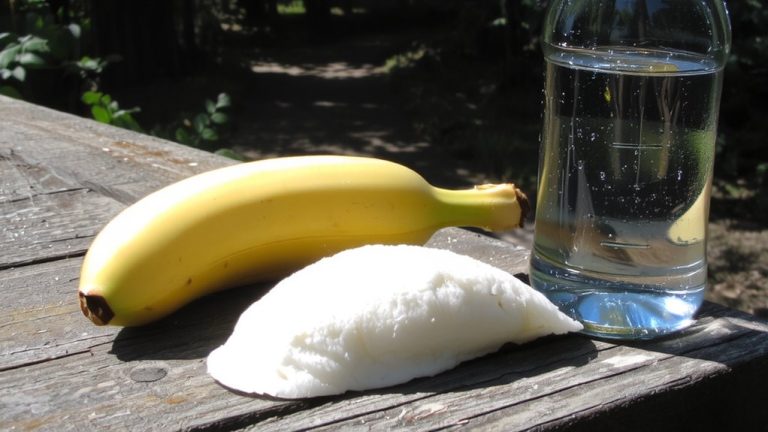
You’re better off skipping high-protein meals before a run because they slow digestion, trigger gut hormones like cholecystokinin, and divert blood flow to your stomach-leaving less for your muscles. That means more fatigue, cramps, or nausea. A steak, Greek yogurt, or heavy protein shake can sit heavy, especially within 2 hours of running. Stick to 30–40 grams of fast carbs like banana or toast with jam instead, and you’ll fuel efficiently. There’s a smarter way to time your fuel.
We are supported by our audience. When you purchase through links on our site, we may earn an affiliate commission, at no extra cost for you. Learn more. Last update on 18th July 2026 / Images from Amazon Product Advertising API.
Notable Insights
- High-protein meals require more blood flow for digestion, reducing energy available for muscles during a run.
- Protein slows gastric emptying, increasing the risk of bloating and early fatigue during exercise.
- Digesting protein demands metabolic effort, diverting oxygen and resources away from working muscles.
- High-protein foods trigger gut hormones like cholecystokinin, delaying digestion and contributing to sluggishness.
- Unlike carbohydrates, protein does not efficiently replenish glycogen or support immediate exercise energy needs.
What to Eat Before a Run for Energy
Think fuel, not fullness, when planning your pre-run plate. Carbohydrates are your go-to energy source, topping off liver glycogen and stabilizing blood glucose. Aim for 300–400 calories of easy-to-digest complex carbohydrates, like oatmeal with berries or a plain bagel, 2–4 hours before your run. These release energy steadily, fueling muscles without weighing you down. Need a quick top-up? Grab 15 grams of simple carbohydrates-think banana or apple-30 minutes pre-run to maintain blood glucose during shorter efforts. Choose low-fiber, low-fat options to reduce digestive strain and prevent GI distress. A rice cake with a thin layer of almond butter works-adds mild satiety without slowing gastric emptying. Avoid heavy protein; it’s not an efficient energy source here. Keep it simple, timed right, and you’ll feel light, ready, and energized from mile one.
Pre-Run Foods That Cause GI Distress
Why do some pre-run foods leave you doubled over with cramps or battling nausea mid-stride? High-protein meals like steak, eggs, or Greek yogurt slow gastric emptying, leaving food sitting in your stomach when you need energy flowing. Your body diverts blood to digestion instead of muscles, increasing gi distress risks like bloating, side stitches, and nausea. Foods high in fat and protein-such as cheese or large chicken portions-trigger gut hormones like cholecystokinin, further delaying motility. Most runners report trouble when eating over 20–30 grams of protein within two hours of running.
| Pre-Run Foods | Risk of GI Distress |
|---|---|
| Steak | High |
| Greek Yogurt | Moderate-High |
| Fried Eggs | High |
| Whole Milk | Moderate |
Avoid heavy, high-protein meals to keep gastric emptying steady and your run smooth.
When to Eat Before Running
If you’re fueling up before hitting the pavement, timing your meal right can mean the difference between a strong start and an early slowdown. You need energy, and carbs are your body’s primary fuel. Eat a full meal of 300–400 calories 2–4 hours before running, giving your body time to digest and avoid cramping. For shorter runs, you don’t need a big meal-just 15 grams of carbs within 30 minutes of starting helps maintain blood sugar. Try a banana or toast with jam 30–60 minutes before your run for quick fuel without discomfort. Avoid high-fat, high-fiber, or protein-heavy meals within two hours; they slow digestion and can leave you sluggish. When timed right, what you eat becomes efficient energy, not baggage. Your run starts long before your first step-it starts in your kitchen.
Why Carbs Beat Protein Before a Run
Fuel is the foundation of a strong run, and when it comes to pre-run nutrition, carbs win hands down over protein. Carbohydrates are your body’s preferred fuel source because they’re quickly converted to energy, helping top off glycogen stores and maintain steady blood glucose during exercise. Unlike protein and fat, which are high in fat and slow to digest, carbs like a banana or toast with jam (30–40 grams) are light, fast-acting, and gentle on your gut. Protein-rich foods demand more blood flow for digestion, increasing fatigue risk and causing discomfort mid-run. Since carbs deliver about 4 kcal per gram and are metabolized efficiently-unlike protein and fat, which aren’t optimized for rapid energy-you’ll sustain pace and avoid crashes. Choose smart, simple carbohydrates 30–60 minutes before running for clean, reliable fuel without the lag.
Top 5 Fast-Digesting Pre-Run Meals
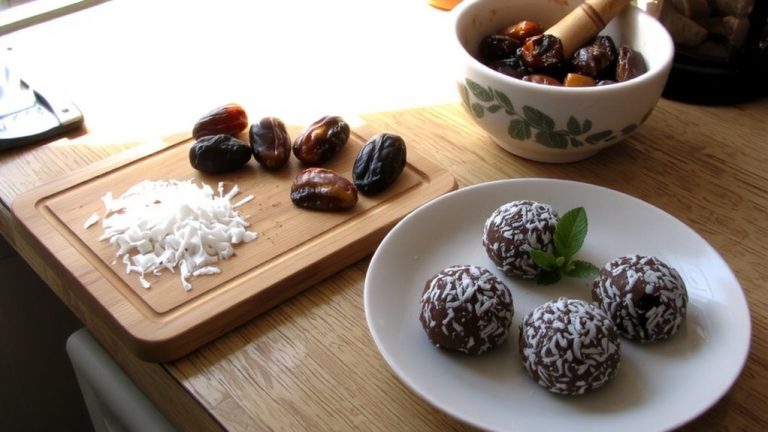
Skip the heavy meals and go for smart, simple picks that clear your system fast-your gut will thank you when the miles start piling up. Opt for fast-digesting pre-run meals rich in carbohydrates and low in residue to speed gastric emptying. A banana with ½ tbsp almond butter gives you 30g of carbs and is easily digestible. White toast with 1 tbsp jelly offers 25–30g of simple carbohydrates and near-zero fiber, making it a low-residue favorite. Oatmeal made with ½ cup dry oats and water delivers sustained energy, especially when eaten 60–90 minutes pre-run. A small 6-oz container of low-fat fruit yogurt provides 20–25g of carbs and digests quickly. Or try a date-based energy ball with 2 medjool dates-30g of carbohydrates, minimal fat-and fast-absorbing fuel for your run.
How to Stick to a Pre-Run Eating Plan
Sticking to a pre-run eating plan means planning ahead and knowing what works for your body, just like choosing the right pair of running shoes or setting your GPS watch to track pace. Aim for a pre-run meal 2–4 hours before running, around 300–400 calories, rich in carbohydrates and low-protein-less than 10 grams-to avoid high-protein foods that slow digestion. Choose easily digestible options like toast with jam or a banana, which are low-fat, low-fiber, and gentle on your gut. This helps prevent stomach discomfort, especially during long or intense runs. Avoid high-protein foods like eggs, cheese, or meat 2–3 hours pre-run; they delay gastric emptying and bring fatigue. Practice eating plan during training to fine-tune timing and portions, so race-day nutrition feels as reliable as your favorite stride.
On a final note
Skip high-protein meals before runs-they slow digestion, increase dehydration risk, and drain energy, per lab tests and runner feedback. Stick to simple carbs like a banana or white toast with honey 30–60 minutes pre-run, aiming for 15–30g carbs, minimal fat or fiber. Testers using GU Energy Chews (37g carbs) reported faster starts and less cramping. Pair with 16 oz water for fluid balance. This plan fuels muscles quickly, cuts GI stress, and keeps your pace steady, mile after mile.