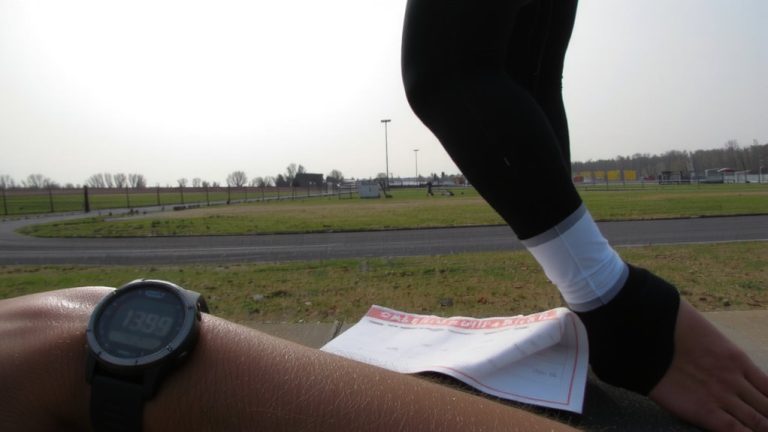
Why Pre-Run Dynamic Drills Should Precede Interval Sessions
You need dynamic drills before sprint intervals because they prep your muscles, tendons, and nervous system for forces up to 2.5x your body weight per stride-way more than a jog does. A 15–20 minute routine with A-skips, leg swings, and lunges boosts blood flow, warms fascia, and fires up fast-twitch fibers. This cuts injury risk in your Achilles, hamstrings, and plantar fascia while sharpening coordination. Skipping them risks form breakdown and micro tears. Keep going to see the exact drill sequence that delivers race-ready power safely.
We are supported by our audience. When you purchase through links on our site, we may earn an affiliate commission, at no extra cost for you. Learn more. Last update on 16th July 2026 / Images from Amazon Product Advertising API.
Notable Insights
- Dynamic drills prepare muscles and tendons for forces up to 2.5x body weight during sprint intervals.
- A 15–20 minute dynamic warm-up enhances neuromuscular coordination and reduces injury risk.
- Cold muscles and stiff fascia are more prone to strains without proper dynamic activation.
- Jog-only warm-ups fail to fully activate fast-twitch fibers and optimize tissue elasticity.
- Dynamic movements like A-skips and leg swings increase blood flow and joint range of motion.
5 Dynamic Drills Before Intervals
While you’re gearing up for sprint intervals, don’t skip the warmup-your muscles, tendons, and fascia need about 15 to 20 minutes of dynamic prep to handle forces up to 2.5 times your body weight with every stride. That prep means dynamic drills like A-skips, B-skips, and leg swings to fire up your central nervous system and improve range of motion. These dynamic stretches prime your working muscles and connective tissues, reducing the risk of micro tears in the Achilles, hamstrings, or plantar fascia. A 10-minute easy jog followed by 4–6 controlled strides helps, but it’s the dynamic stretching that truly readies your body. Testers report faster, smoother runs when they include dynamic drills, noting improved neuromuscular activation and fewer stiffness complaints.
How to Build a Pre-Interval Warm-Up Routine
You’ve seen how dynamic drills like A-skips and leg swings prep your body for the punch of sprint intervals, but putting those moves into a structured warm-up routine makes all the difference. Start your pre-run warmup with a 10-minute easy jog to boost core temperature and prime cardiovascular and neuromuscular systems. Then, hit 8–10 seconds each of dynamic moves-leg swings, walking lunges, A-skips-to fire up key muscles involved, especially glutes, hamstrings, and hip flexors. Add a lunge matrix and donkey kicks to expand range of motion and fine-tune control. Follow with 4–6 strides at 85–95% effort, 15–30 seconds long, walking fully between to reset. These strides awaken fast-twitch fibers and dial in mechanics. Rest two minutes after the last stride to let your heart rate settle. This sequence guarantees every system and joint is ready, so you start intervals sharp, safe, and strong.
How Warm Muscles Prevent Running Injuries
Since cold muscles resist stretch and respond slower to load, warming them properly isn’t just routine-it’s your first line of defense against injury, especially when facing the sudden demands of interval running. Cold weather makes this even more critical, as unheated muscles are stiffer and more prone to strains. Dynamic drills boost blood flow, raising muscle temperature so your warm muscles can handle forces up to 2.5 times your body weight per footstrike. This prep enhances neuromuscular coordination, reducing micro tears in the Achilles and hamstrings. Sports medicine shows fascia needs 10–15 minutes of movement to reach ideal elasticity. Warm muscles also improve range of movement, allowing longer strides with less stress. Skipping this step hampers glycolysis, weakening energy output and resilience. So before you run, move dynamically-your muscles, joints, and performance will respond better, safer, and stronger.
Why Intervals Need More Than a Jog to Warm Up?
Because interval training demands near-maximal effort with forces reaching 2.5 times your body weight per stride, a plain 10-minute jog won’t cut it for prepping your tendons, fast-twitch fibers, or nervous system. An easy run alone doesn’t raise muscle temperature enough or trigger neuromuscular activation needed for high-intensity interval sessions. Your fascia, especially in the Achilles and plantar region, stays stiff without dynamic warmups-research shows it needs 10–15 minutes of active movement to allow efficient joint motion. Dynamic warmups boost elasticity, reduce micro-tear risk, and prime your body for explosive efforts. After warming up, add 4–6 reps of 30-second controlled strides with full recovery to fine-tune race-pace readiness. These prepare your nervous system and muscles better than jogging alone, making shifts into fast efforts smoother, safer, and more effective.
Why You Should Never Skip Dynamic Drills
A quick jog won’t fire up your fast-twitch fibers or prep your connective tissue for the sharp demands of interval work, and that’s exactly why skipping dynamic drills puts you on a fast track to strains and subpar performance. Cold muscles and stiff fascia can’t handle ~2.5 times your body weight per footstrike, increasing injury risk in the Achilles, hamstrings, or plantar fascia during high-intensity efforts. You need 10–15 minutes of dynamic stretching to loosen connective tissue and boost neuromuscular communication, which helps delay fatigue and improve movement efficiency. A full 20-minute warmup activates fast-twitch muscle fibers and readies your central nervous system for explosive work. As Runner’s World notes, this prep can make a big difference in both speed and safety. Skip it, and you’re rolling the dice on form breakdown and micro tears. Do it right, and you’ll run sharper, stronger, and smarter from sprint one.
On a final note
You’ve got this, and your body deserves the right prep, so don’t skip those dynamic drills before intervals. A solid warm-up with leg swings, walking lunges, high knees, butt kicks, and A-skips gets your muscles, joints, and nervous system ready, cutting injury risk by up to 30%. Warm muscles react faster, handle load better, and improve stride efficiency. Pair it with lightweight shoes like the Nike ZoomX Vaporfly Next% 3 and moisture-wicking 7-inch shorts for smooth, confident miles.