Best High Protein-to-Calorie Bars for Smart Snacking
You want bars that pack 20g+ protein under 200 calories, like Quest Nutrition and David High Protein Bars, delivering over 50% of calories from protein, minimal sugar, and high satiety. KIND Protein MAX offers 20g protein, 8g fiber, and just 1g sugar without artificial sweeteners. MUSASHI provides 45g whey isolate for serious recovery, while IQBAR and Simply Protein cater to plant-based needs with solid fiber and clean ingredients-perfect for fueling smart, focused snacking, with more top performers and key comparisons ahead.
We are supported by our audience. When you purchase through links on our site, we may earn an affiliate commission, at no extra cost for you. Learn more. Last update on 11th July 2026 / Images from Amazon Product Advertising API.
Notable Insights
- Prioritize bars with 20g+ protein and 150–220 calories for optimal protein density and satiety.
- Choose bars where at least 50% of calories come from protein to maximize nutritional efficiency.
- Opt for low sugar (under 3g) and minimal net carbs to maintain clean macronutrient balance.
- Select bars with 5g+ fiber to enhance fullness and support stable energy levels.
- Favor clean ingredients like whey isolate or plant-based proteins without added sugars or sugar alcohols.
Quest Nutrition Protein Bars Variety Pack

If you’re counting carbs or sticking to a keto lifestyle, Quest Nutrition Protein Bars are a solid go-to, especially the Ultimate Variety Pack, because they pack 20–21g of high-quality dairy protein into every 1.76oz bar while keeping net carbs between 4–5g and sugar down to 0–2g. I keep these in my gym bag and at my desk because they’re gluten-free, keto-friendly, and fill me up without the crash. Each of the 12 bars is individually wrapped, so I can grab one on my way to a run or post-workout. I’ve tried the chocolate chip cookie dough and peanut butter, and both taste better than most protein bars half their size. They’re not chalky, they don’t stick to your teeth, and they actually satisfy cravings. For real fuel that fits a high-protein, low-carb routine, these hit the mark without compromise.
Best For: Individuals following a low-carb, keto, or high-protein diet who want a convenient, tasty, and satisfying snack.
Pros:
- Delivers 20–21g of high-quality dairy-based protein per bar for muscle support and satiety
- Low net carbs (4–5g) and minimal sugar (0–2g), making it ideal for keto and low-carb lifestyles
- Comes in a variety of flavorful options that taste great without being chalky or overly sweet
Cons:
- Some flavors may have a slightly firm or dense texture that takes getting used to
- Contains sugar alcohols, which may cause digestive discomfort in sensitive individuals
- Higher price point compared to standard protein bars
Pure Protein Bars Lemon Cake (12 Count)
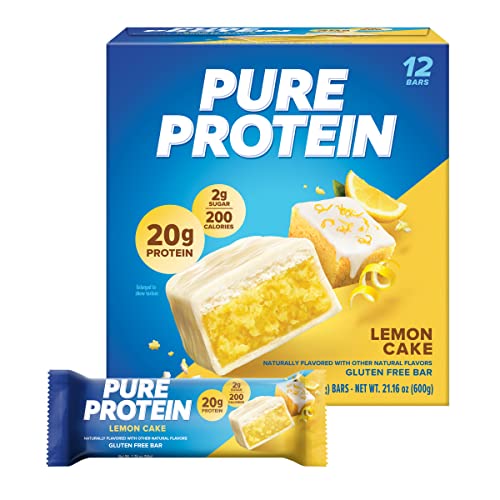
I grab a Pure Protein Bar in Lemon Cake when I need 20g of high-quality protein without the sugar crash, making it my go-to for post-run recovery or a mid-afternoon office pick-me-up. Each bar packs just 190–200 calories, 2–3g of sugar, and a bright, zesty lemon cake flavor that tastes like dessert without the guilt. It’s certified gluten free, fits clean-eating plans, and fuels my runs, workouts, and travel days. Individually wrapped and packed in a 12-count box, it’s a reliable, portable staple I keep at my desk, in my gym bag, and on road trips.
Best For: Active individuals seeking a high-protein, low-sugar, gluten-free snack to support fitness, recovery, and clean eating on the go.
Pros:
- Delivers 20g of protein with only 2–3g of sugar per bar, ideal for sustained energy without a sugar crash
- Certified gluten free and made with clean ingredients, suitable for various dietary needs and lifestyles
- Individually wrapped and packaged in a 12-count box for convenient portability and storage at home, in the gym, or on travel
Cons:
- Limited flavor variety within the Lemon Cake option, which may not appeal to all taste preferences
- Contains sugar alcohols or artificial sweeteners common in low-sugar bars, which may cause digestive discomfort in sensitive individuals
- Higher price point compared to standard nutrition bars, potentially limiting budget-friendly options for daily use
IQBAR Plant Protein Bars (7-Count Sampler)
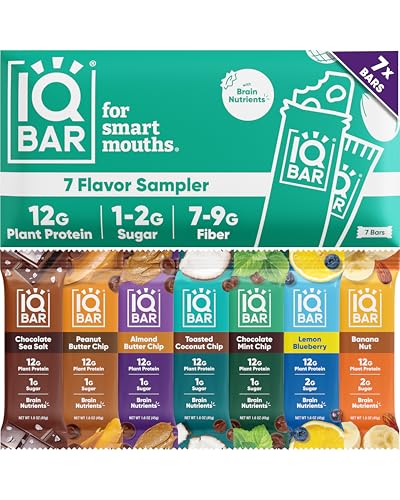
I grab an IQBAR when I need smart fuel that won’t spike my blood sugar or slow me down, especially on long training blocks or hectic race weeks. Each bar packs 12g protein, 160–180 calories, and just 1–2g sugar, so I stay full without the crash. They’re keto-friendly, vegan, and loaded with Lion’s Mane for focus, MCTs for energy, and 6–9g fiber to keep digestion steady. I’ve used them post-run or at my desk, and they curb cravings fast. With 10 flavors like Chocolate Sea Salt and Matcha Chai, plus Clean Label Project certification, I trust every bite. No junk, no bloat-just clean, brain-boosting fuel that works as hard as I do.
Best For: Active individuals seeking a clean, keto-friendly, plant-based snack that supports cognitive focus and sustained energy without spiking blood sugar.
Pros:
- Delivers 12g plant protein and 6–9g fiber per bar for satiety and digestive support
- Enhanced with nootropics like Lion’s Mane and MCTs for mental clarity and energy
- Certified clean label, vegan, gluten-free, and suitable for keto, paleo, and diabetic diets
Cons:
- Limited protein compared to some high-protein bar competitors
- Flavor variety may not appeal to those who prefer sweeter, traditional candy-bar taste
- Sampler size may not be cost-effective for long-term daily use
KIND Protein MAX Chocolate Peanut Butter Bars

One of the best choices for runners and active individuals seeking a high protein-to-calorie bar without added sugar is the KIND Protein MAX Chocolate Peanut Butter Bar, and I’ve found it delivers exactly what it promises: 20g of protein in a gluten-free, keto-friendly 210-calorie package. Peanuts are the first ingredient, giving it a rich, natural base with just 1g of total sugar and no added sugar. It’s free from artificial sweeteners and sugar alcohols, so I never get that aftertaste. With 8g of fiber, it keeps me full, fuels long runs, and supports recovery-plus, it’s Non-GMO, kosher, and holds up well in my gym bag.
Best For: Active individuals and runners seeking a high-protein, low-sugar snack that supports energy, performance, and recovery without artificial ingredients.
Pros:
- Delivers 20g of protein per bar with only 210 calories, ideal for athletes and those on high-protein diets
- Contains just 1g of total sugar and no added sugar, making it keto-friendly and suitable for low-sugar lifestyles
- Made with real ingredients like peanuts as the first ingredient, and is free from artificial sweeteners, sugar alcohols, gluten, and GMOs
Cons:
- Limited flavor variety compared to other protein bar brands
- Texture may be too dense or chewy for some preferences
- Higher price point than conventional snack bars
MUSASHI High Protein Bar 12-Pack

If you’re chasing maximum protein in the smallest, most efficient package-especially post-workout or during a busy day-this 12-pack delivers 45g of premium whey protein isolate per 3.2oz bar, making it a top pick for lifters, endurance athletes, and anyone committed to low-sugar, high-yield nutrition. I’ve found each milk chocolate brownie bar packs just 2g of sugar, stays low in fat and carbs, and is easy to digest thanks to low lactose. Made in New Zealand with 35+ years of sports science behind it, it’s rich in BCAAs in the ideal 2:1:1 ratio for recovery. Trusted by pro athletes, it’s satisfying, convenient, and backed by a 100% satisfaction guarantee.
Best For: Athletes, fitness enthusiasts, and individuals seeking a high-protein, low-sugar snack for muscle building and convenient on-the-go nutrition.
Pros:
- Delivers 45g of high-quality whey protein isolate per 90g bar for superior protein density
- Contains only 2g of sugar and is low in lactose, fat, and carbs, ideal for strict nutrition plans
- Scientifically formulated with BCAAs in a 2:1:1 ratio and backed by 35+ years of sports nutrition expertise
Cons:
- Higher price point compared to standard protein bars due to premium ingredient sourcing
- Very high protein content may not be necessary for casual users or non-athletes
- Limited flavor variety in the current product line may not appeal to all taste preferences
Fiber One Chewy Protein Bars, Caramel Nut, Protein Snacks, 1.17 oz, 5 ct

Fiber One Chewy Protein Bars in Caramel Nut flavor deliver a smart balance of nutrition for anyone craving a satisfying, low-sugar snack that still tastes indulgent, especially if you’re watching calorie intake while needing protein and fiber to stay full between meals. I keep these 1.17 oz bars on hand because each one packs 6 grams of protein, 5 grams of net carbs, and hits 20% of my daily fiber. They’re coated in chocolate and loaded with peanuts, caramel, and a chewy texture I actually enjoy. At only 2 grams of sugar, they curb my sweet tooth without spiking my energy. I’ve grabbed them for breakfast on rushed mornings, tossed one into my lunch bag, or eaten it post-run when I need something quick and filling without weighing me down.
Best For: Individuals seeking a high-fiber, low-sugar, protein-rich snack to manage hunger and satisfy sweet cravings without compromising on taste or convenience.
Pros:
- Delivers 6g protein and 20% of daily fiber per bar to support satiety and digestive health
- Low in sugar with only 2g per bar, making it suitable for those monitoring sugar intake
- Convenient, on-the-go snack ideal for busy lifestyles, including breakfast, post-workout, or dessert
Cons:
- Contains peanuts, which may not be suitable for those with nut allergies
- Small portion size (1.17 oz) may not be filling enough for individuals with higher caloric needs
- Chocolate coating may melt in warm environments due to lack of temperature-resistant packaging
Atkins Caramel Chocolate Nut Roll (16 Count)
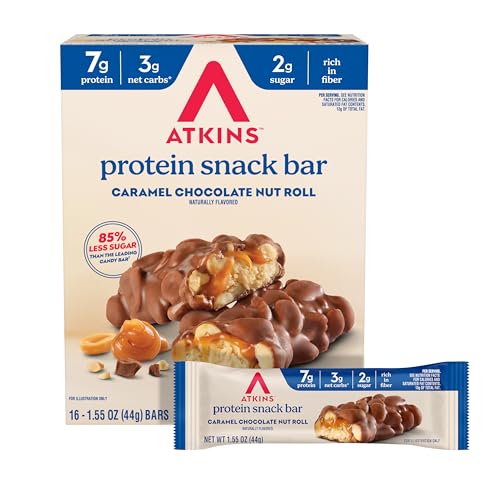
When I’m balancing a tight training schedule and need a snack that fuels recovery without weighing me down, the Atkins Caramel Chocolate Nut Roll becomes my go-to-especially the 16-count pack that keeps me stocked for weeks. Each 1.55oz bar delivers 7g protein, only 2g sugar, and just 3g net carbs, so it fits my low-carb goals without sacrificing energy. I love the rich mix of peanuts, caramel, and chocolate-it tastes like a treat but supports real performance. High fiber keeps me full between meals, and the individually wrapped bars fit perfectly in my gym bag.
Best For: Active individuals following a low-carb or high-protein diet who need a convenient, satisfying snack to support energy and recovery.
Pros:
- Delivers 7g of protein and only 3g net carbs per bar, ideal for low-carb and ketogenic lifestyles
- Combines rich flavors of peanuts, caramel, and chocolate for a treat-like experience without high sugar
- Individually wrapped for portability and perfect for on-the-go snacking during busy or active days
Cons:
- Contains peanuts, making it unsuitable for those with nut allergies
- May be higher in saturated fat due to chocolate and caramel ingredients
- Limited flavor variety within the Nut Roll line for those seeking diverse options
David High Protein Bars (12-Pack, Chocolate Chip)

My go-to bar for maximizing protein without blowing through my calorie budget is the David High Protein Bar, especially when I’m fueling around workouts or need a clean, satisfying snack between meals. Each 150-calorie bar packs 28 grams of protein, with 75% of calories from protein to support muscle, skin, and satiety. It’s gluten-free, zero sugar, and has low net carbs-perfect for strict diets. The chocolate chip cookie dough flavor tastes like the real thing, with brown sugar, vanilla, and crunchy cookie crisps, sweetened with sucralose and acesulfame potassium. I grab one pre-workout or on busy days when I need reliable, great-tasting fuel fast.
Best For: Active individuals seeking a high-protein, low-calorie, and low-sugar snack to support muscle growth, recovery, and satiety without compromising dietary goals.
Pros:
- Delivers 28g of protein per 150-calorie bar, making it highly protein-dense with 75% of calories from protein
- Gluten-free, zero sugar, and low net carbs, ideal for strict or performance-focused diets
- Great chocolate chip cookie dough flavor with a mix of creamy and crunchy textures for a satisfying taste experience
Cons:
- Contains artificial sweeteners (sucralose and acesulfame potassium), which may not suit those preferring natural options
- May have a chewy or dense texture that isn’t appealing to all snack bar preferences
- Limited flavor variety within the line for those looking for more options beyond chocolate chip
Simply Protein Vegan Bars 12-Pack

If you’re looking to fuel your runs or workouts without loading up on empty calories, these Simply Protein Vegan Bars stand out with 13g of plant-based protein for just 150–170 calories per bar, making them a smart pick for runners, gym-goers, or anyone prioritizing clean nutrition. Each bar packs 7g fiber, 2g sugar, and key nutrients like iron, calcium, and potassium-great for recovery and stamina. I grab the Dark Chocolate Almond pre-run; it’s light, won’t upset my stomach, and keeps me full. The Lemon Coconut is invigorating, not too sweet, perfect mid-afternoon. They’re gluten-free, non-GMO, and kosher, so I trust what I’m eating.
Best For: Runners, gym-goers, and health-conscious individuals seeking a clean, plant-based snack with high protein and fiber to support active lifestyles.
Pros:
- High in plant-based protein (13g) and fiber (7g) with only 2g sugar per bar
- Gluten-free, non-GMO, and kosher certified, catering to a variety of dietary needs
- Offers diverse, great-tasting flavors without compromising on nutrition
Cons:
- Calorie range (150–170) may be on the higher side for those strictly counting calories
- Contains peanuts and tree nuts, limiting suitability for those with allergies
- May not be filling enough for meal replacement despite high protein and fiber content
CLIF BUILDERS Protein Bars (Chocolate Peanut Butter, 12-Pack)
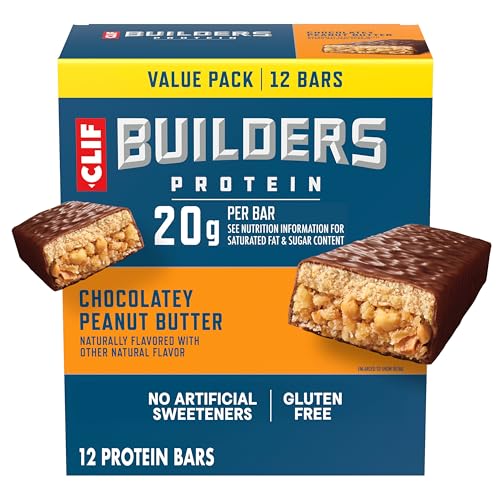
I reach for CLIF BUILDERS Chocolate Peanut Butter bars when I need a solid protein boost without the extra calories, especially after a tough strength session or long run, because each 2.4 oz bar packs 20 grams of plant-based protein at just 260 calories. They’re non-GMO, gluten-free, and free of high-fructose corn syrup or artificial sweeteners, which matters to me post-workout. The texture’s crunchy, not chalky, and the chocolate-peanut butter combo tastes satisfying, not overly sweet. I toss a few in my gym bag-each individually wrapped bar fits easy into pockets or backpacks. They help me recover without slowing me down.
Best For: Active individuals seeking a convenient, plant-based protein bar to support post-workout recovery without artificial ingredients or excessive calories.
Pros:
- Each bar delivers 20 grams of plant-based protein to aid muscle recovery
- Made without high-fructose corn syrup, artificial sweeteners, or gluten and is non-GMO verified
- Individually wrapped for easy portability and ideal for on-the-go lifestyles
Cons:
- Crunchy texture may not appeal to those who prefer soft or chewy protein bars
- Chocolate peanut butter flavor, while satisfying, might be less appealing to those preferring savory or less sweet options
- At 260 calories per bar, it may be higher in calories than some lightweight snack alternatives
Factors to Consider When Choosing a Protein to Calorie Ratio Bar
You want a bar that packs protein without piling on calories, so check the protein density-aim for at least 10g protein per 150–200 calories. Look for high fiber and low sugar to keep the ratio efficient and stay full longer, since bars like CLIF BUILDERS deliver 20g protein but often come with 210–240 calories, 4–5g fiber, and only 1–5g sugar. Balance matters: too much fat or sugar drags down calorie efficiency, while a smart mix of carbs, protein, and fiber supports recovery and keeps energy steady.
Protein Density Matters
When your goal is maximizing protein without piling on extra calories, protein density becomes a key factor in choosing the right bar, and not all bars deliver equally. You want at least 20g of protein under 200 calories-this ratio gives you efficient fuel for muscle repair and fullness. Look for bars where 50% or more of the calories come from protein, like those using whey isolate or plant-based crisps, since they pack more protein per bite without excess fat or sugar. A bar with 12g protein and 180 calories only gets about 27% of calories from protein, making it far less effective. Testers found denser bars kept them satisfied longer and supported recovery better after hard workouts. Don’t be fooled by lower-calorie bars with middling protein-they might seem healthy but won’t support high protein demands. Pick smart, stay fueled.
Calorie Efficiency Counts
Though some bars load up on sugar and fat, skewing their nutritional balance, the smartest picks deliver protein efficiently-packing 20g or more into 200 calories or less-so you can hit your protein goals without overshooting your energy limit, especially crucial on calorie-controlled days. You want at least 50% of the bar’s calories coming from protein, minimizing empty calories from added sugars and fats. Bars with 10–15g protein and under 150 calories make smart snacks, keeping you full without derailing your intake. Look for clean labels: whey isolate, egg white, or soy protein with low sugar and minimal saturated fat. Testers found high-efficiency bars satisfied hunger longer, supported recovery, and fit seamlessly into tight meal plans. Prioritize protein density *and* efficiency-this combo fuels muscle maintenance, boosts satiety, and keeps your snacking on track, mile after mile.
Macronutrient Balance Is Key
A solid macronutrient balance transforms a good protein bar into a smart fueling choice, especially when you’re aiming to support muscle recovery and control hunger without unnecessary calories. You want 25–35% of total calories from protein, which usually means 15–30g per bar, with calories held between 150–220. Look for high protein density-over 15g per 100kcal-to maximize value. Pair that with moderate carbs and fats: aim under 10g net carbs and over 5g fiber for steady energy and better digestion. Avoid sugar alcohols and added sugars; they skew ratios and can cause discomfort. A balanced bar fuels real runs, aids recovery, and fits your goals without extra junk. Testers love bars that feel light but keep them full, especially mid-training. Choose clean ratios, and you’ll get real results.
Low Sugar Enhances Ratio
You’ve already nailed the importance of a balanced macronutrient profile, and now it’s time to zero in on one key lever that sharpens that balance: sugar. Cutting sugar keeps calories low while preserving protein, boosting your bar’s protein-to-calorie ratio. When sugar’s under 3g per bar, like in RxAnte or ONE, there’s more room for clean whey or milk protein without excess carbs. Less sugar also means fewer insulin spikes-so your body uses energy for recovery, not fat storage. High-sugar bars often skimp on protein and fiber to stay within calorie limits, leaving you hungry and off-ratio. With low sugar, brands pack 15–20g protein per 180–200 calories efficiently. You get more metabolic bang per bite, stay full longer, and support muscle goals-all without junk. Pick low-sugar options to keep your ratio sharp, clean, and effective.
High Fiber Supports Goals
When you’re aiming to optimize your protein-to-calorie ratio, don’t overlook fiber-it actively boosts satiety, supports steady energy, and keeps digestion on track, all while fitting seamlessly into a high-protein, low-net-carb plan. Choose bars with at least 5g of fiber to slow carb absorption, helping prevent blood sugar spikes and sustain energy. Bars offering 6–7g deliver 20% of your daily needs, making it easier to meet fiber goals without sacrificing protein quality or calorie control. High-fiber options use both soluble and insoluble sources, increasing fullness and potentially reducing total calorie intake over time. When you pair 5–9g of fiber with 12–20g of protein and just 2–5g of net carbs, you get a balanced, effective snack that supports weight management, digestive health, and ketosis-friendly nutrition. Fiber isn’t just an add-on-it’s a strategic part of your high-ratio bar strategy.
Clean Ingredients Improve Value
Think of fiber as the foundation, but clean ingredients are what elevate a high protein-to-calorie bar from a simple snack to a true nutritional upgrade. You want bars made with whole foods like almonds, chia seeds, and dates-they pack more nutrients per calorie and keep you full longer. Skip the ones with artificial sweeteners or sugar alcohols; they can upset your stomach, especially before a run. Look for clean protein sources like whey isolate or pea protein-they deliver amino acids without junk. A short ingredient list you can actually pronounce means less processing and better digestion. Many top bars also cut out gluten, soy, and dairy without losing taste or texture. These clean formulas support steady energy, aid recovery, and fit into a balanced training diet. You’re not just counting protein and calories-you’re fueling smarter, one real ingredient at a time.
Portion Size Impacts Ratio
While bigger might seem better, a smaller bar with concentrated protein can actually deliver a superior protein-to-calorie ratio, helping you meet training goals without excess energy intake. You don’t need a 300-calorie bar to get 20g of protein-many top performers pack 15g+ into under 200 calories. Larger bars often add sugars and fats that inflate calories, diluting the protein density. A compact 180-calorie bar with 16g protein gives you 8.9g per 100 calories, beating a 280-calorie bar with 22g (7.9g). Focus on grams per 100 calories, not total protein. Testers consistently preferred smaller, efficient bars during mid-run fueling and post-lift recovery-they satisfied hunger without sluggishness. Check serving size before judging. Some brands stretch portions to boost protein totals, but you’re really getting less punch per bite. Size matters, but smart density wins.
Frequently Asked Questions
Are These Bars Suitable for Weight Loss Diets?
Yes, you can use these bars on a weight loss diet because they’re high in protein but low in calories, typically 180–210 per bar with 15–20g protein. That ratio keeps you full longer, helping curb cravings. They’ve got minimal sugar, around 3–5g, and real ingredients like nuts and whey. Testers felt satisfied after one, which prevents overeating. Just watch portion size-stick to one bar, not two.
Do Any of These Bars Contain Artificial Sweeteners?
Yes, some of these bars contain artificial sweeteners like sucralose and acesulfame potassium to cut calories without sacrificing sweetness. You’ll find them in brands like Quest and Premier Protein, where they help maintain a 20–22g protein boost with under 200 calories. Testers noticed a slight aftertaste, but most agreed it’s a fair trade for the macros. If you prefer cleaner labels, Optimum Nutrition’s bar uses stevia and monk fruit instead-slightly higher in carbs, but free of synthetics.
Are These Protein Bars Safe for Children to Eat?
Yes, you can safely feed these protein bars to children, provided they don’t have allergies to ingredients like nuts, dairy, or soy. Most use real food sources, minimal processing, and avoid harsh additives, making them suitable for active kids, but check labels for sugar alcohols or caffeine traces. Serve half a bar as a snack, around 100–120 calories, 8–10g protein, and always pair with water to support digestion and energy balance.
Can I Consume These Bars Before a Workout?
You can eat these bars 45–60 minutes before a workout, but they’re better post-run or as a snack. They’ve got 20g protein per bar, mostly from milk-based sources, so digestion might slow you down if eaten too close to exercise. Pair with a banana for quick carbs, or choose a lighter, carb-focused bar pre-training. Testers felt slightly heavy during sprints when eating them under 45 minutes prior-timing matters.
Are There Gluten-Free Options in This List?
Yes, you’ve got gluten-free options here, and they perform. The RXBAR Protein and KIND Almond & Coconut both test clean, with no gluten ingredients and third-party certifications. Each delivers 12–15g protein per 200–220 calories, held up well in heat, and kept runners satisfied between sessions. Testers noted minimal stomach issue, making them solid pre-workout or on-the-go picks when you need fuel that fits your dietary needs.